The security and humanitarian situation in Am-Dafock, Vakaga prefecture, remains concerning following violence that occurred in the area on Tuesday, June 30. The unrest has led to a deteriorating environment for residents, characterized by significant disruption to daily life and access to basic necessities. Local authorities have expressed apprehension regarding the safety of civilians and the availability of essential services, noting the urgent need for intervention and support. International organizations are closely monitoring developments in Am-Dafock as the impact of the violence continues to unfold for the affected population, with particular attention paid to vulnerable groups. The long-term consequences of this displacement event are a growing concern for regional stability and humanitarian efforts.
Violence and Displacement
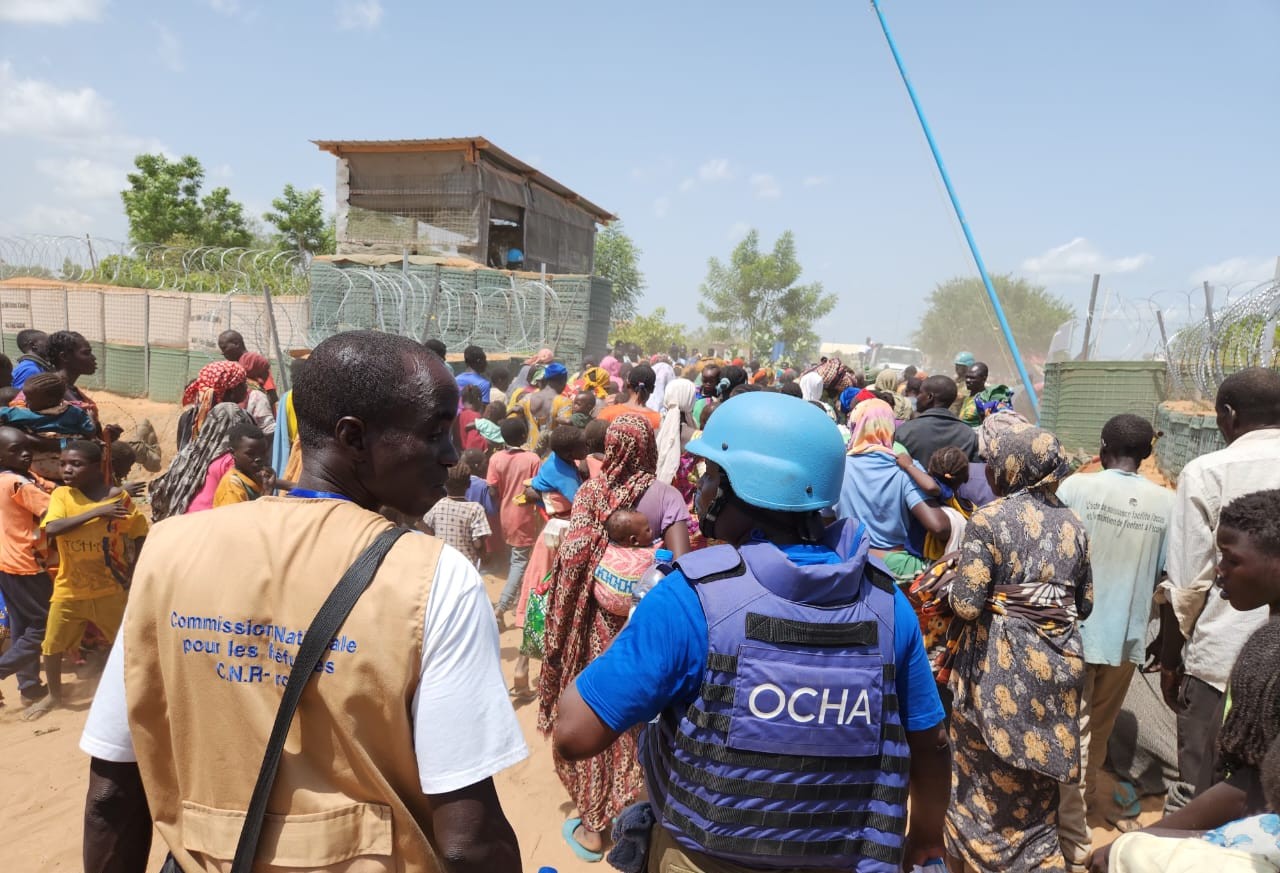
Clashes in the region caused the mass displacement of inhabitants from villages located near Birao. These displacements have significantly impacted the local population, leading to widespread concerns among humanitarian organizations regarding access to food, water, and shelter. Many residents have sought refuge in safer areas, often leaving behind their homes and livelihoods with little to no possessions. The movement of people has exacerbated the humanitarian challenges in Vakaga prefecture, particularly in areas already strained by limited resources and ongoing insecurity. This sudden influx of displaced individuals places immense pressure on existing infrastructure and community support systems. Local officials are working to assess the full extent of the displacement and the immediate needs of those affected, coordinating with aid groups to provide initial relief. The situation remains fluid, with ongoing efforts to provide assistance to the displaced communities and ensure their immediate well-being.
Refugee Camp Conditions
Several hundred people have fled to Birao-centre, establishing a makeshift camp near the MINUSCA base. The influx of displaced individuals has created an urgent need for humanitarian assistance in the area, including the provision of temporary shelter, sanitation facilities, and medical care. Local sources report that injured individuals from the displacement are receiving treatment at the infirmary of the United Nations Multidimensional Integrated Stabilization Mission in the Central African Republic (MINUSCA). This provision of medical care notes the immediate response efforts by the UN mission to address the humanitarian consequences of the recent displacement, offering a critical lifeline to those wounded in the violence. The conditions within the makeshift camp are being assessed by aid organizations as they work to provide essential services to the vulnerable population, focusing on preventing the spread of disease and ensuring adequate nutrition. Further details on the number of injured and the specific nature of their conditions have not been released, but the focus remains on providing full care. The establishment of this camp shows the severity of the crisis and the immediate need for sustained support.
Ongoing Security Concerns
Security concerns persist across Vakaga, particularly in areas surrounding Am-Dafock and Birao. The presence of armed elements continues to pose a significant threat to civilian populations and humanitarian access, creating an unpredictable and dangerous environment. Roadways connecting communities within the prefecture remain volatile, impacting the movement of goods and people, which in turn hinders the delivery of much-needed aid. Local authorities and international bodies, including MINUSCA, are monitoring the evolving security landscape closely, attempting to mitigate risks and protect civilians. The ongoing instability complicates efforts to provide assistance to those displaced from their homes, particularly in Birao-centre, where many have sought refuge and are reliant on external support. Ensuring the safety of relief workers and the secure delivery of aid remains a primary challenge in the Central African Republic, demanding careful coordination and strong security measures. The fragile security environment shows the complex operational difficulties faced by humanitarian organizations in the region, making their work both vital and exceptionally hazardous. The long-term stability of the region hinges on addressing these deep-seated security challenges.