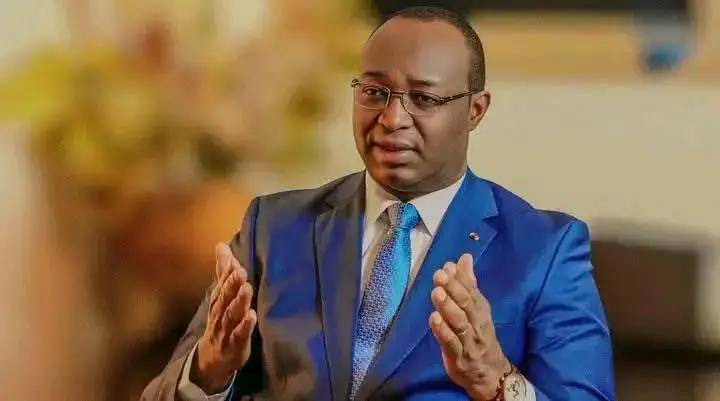
Anicet Georges Dologuélé, the deputy for Bocaranga 1 in Centrafrique, has again expressed his concerns regarding the refusal by authorities to issue him a passport. The prominent political figure has consistently noted the situation, which he describes as an act of political persecution. His repeated statements show an ongoing dispute with the government over his right to travel. The refusal has drawn attention to the challenges faced by opposition figures in the country, raising questions about administrative processes and political freedoms within Centrafrique. Dologuélé maintains that the denial is unwarranted and politically motivated.
Official Justification for Refusal
The presidency reiterated in a press conference that the issuance of the document is conditional on a prior request granted to the President of the Republic. This statement from the presidential office outlines the official stance regarding the conditions under which such travel documents are processed for certain individuals. The presidency's explanation suggests that specific protocols must be followed, particularly when involving high-profile political figures or those whose travel may be subject to presidential approval. This justification stands in contrast to Mr. Dologuélé's assertions of political persecution, framing the refusal as a matter of procedure rather than punitive action. The official position indicates a chain of command and approval necessary for the final issuance of passports in certain circumstances within Centrafrique.
Opposition Leader's Grievances
Anicet Georges Dologuélé, who serves as the leader of the opposition, has publicly condemned the refusal to issue him a passport. He characterizes the measure as an act of personal persecution. Dologuélé maintains that the denial constitutes a direct violation of his fundamental rights. He emphasizes his status as both a citizen of Centrafrique and an elected deputy for Bocaranga 1, asserting that these roles entitle him to the unrestricted right to travel. His statements highlight a broader concern regarding the treatment of political opponents within the country. Dologuélé has consistently argued that the government's actions are politically motivated and designed to impede his activities and movements. He views the passport issue not merely as an administrative hurdle but as a deliberate effort to silence critical voices and restrict the legitimate functions of the opposition. His grievance centers on the principle of equal application of the law and the protection of civil liberties for all citizens, regardless of their political affiliation. He argues that such actions undermine democratic principles.
Broader Political Context
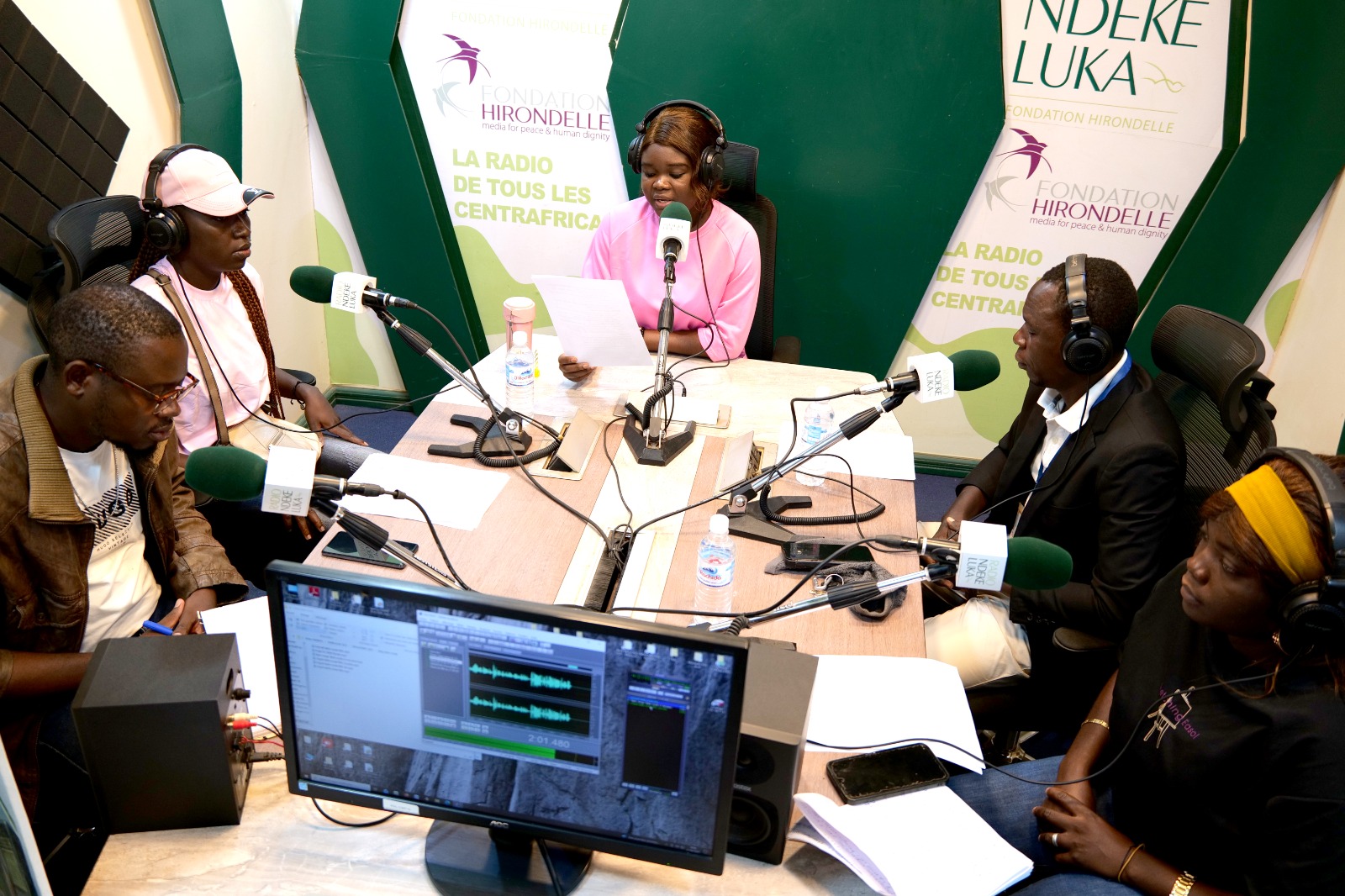
The ongoing dispute over Anicet Georges Dologuélé's passport refusal unfolds within a broader political landscape in Centrafrique. Mr. Dologuélé, a prominent opposition figure and deputy for Bocaranga 1, has consistently noted the challenges faced by government critics. His case adds to discussions concerning civil liberties and the operational space for political opposition groups, such as URCA, in the country. The government's stance, citing specific procedural requirements for high-profile travel documents, contrasts with Mr. Dologuélé's assertions of political persecution. The situation has drew attention from various platforms, including reports by Radio Ndeke Luka, as observers monitor the implications for political pluralism. Questions regarding the equitable application of administrative processes for all citizens, including figures like Armando Yanguendji and others in the political sphere, remain central to the discourse surrounding governance in Centrafrique.