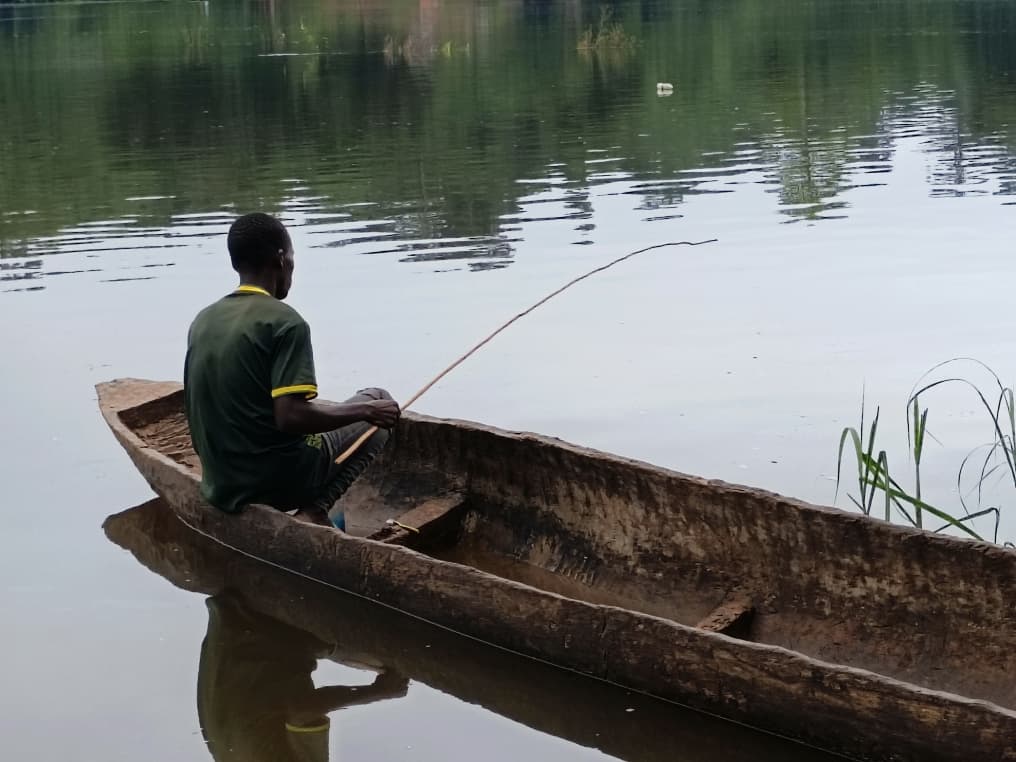
Fishermen in Bangassou, Mbomou prefecture, have expressed growing concerns regarding the significant scarcity of fish in the Mbomou River. This pressing issue, centered on the dwindling aquatic populations, is directly impacting their livelihoods and raising fears about food security within the community. The noticeable reduction in fish availability has prompted local fishermen to voice their worries publicly, noting a critical environmental and economic challenge. For generations, the Mbomou River has been a vital source of sustenance and income for the local populace, and its current state represents a serious threat to their traditional way of life.
Concerns Over Fish Scarcity
Fishermen in Bangassou, a principal town in the Mbomou prefecture, have reported a significant and alarming decrease in their daily catches. This scarcity is directly affecting local livelihoods and raising considerable concerns about food security in the area. Fishing, which has historically been a primary economic activity for many residents, has become increasingly challenging due to the dwindling fish populations in the Mbomou River. The reported decline threatens the traditional way of life for numerous families who depend on the river's resources for both sustenance and income, creating widespread anxiety among the fishing communities. Local authorities and community leaders are monitoring the situation closely as the impact spreads across these communities, affecting their ability to provide for their families. This environmental shift, characterized by fewer fish in their nets, has prompted urgent calls for a deeper investigation into the causes of the reduced fish stocks. The situation notes an urgent environmental and economic challenge facing the region's inhabitants, who rely heavily on the river's bounty.
Attributed Causes: Overfishing and Chemicals
Fishermen in the Mbomou prefecture attribute the current scarcity primarily to two interconnected factors: persistent overfishing and the widespread use of chemical products in local watercourses. The local fishing communities believe that increased fishing pressure, coupled with unregulated and often unsustainable practices, has significantly depleted fish populations over time. This includes methods that do not allow fish stocks to replenish naturally. Additionally, the introduction of various chemical substances into the river system, whether from agricultural runoff, industrial discharge, or other sources, is cited as a major contributor to the decline in aquatic life. These chemicals are believed to harm fish directly and disrupt their reproductive cycles and habitats. These factors, according to the fishermen, have created an unsustainable environment for fish reproduction and survival, leading to the noticeably smaller catches now experienced across the region. They contend that these practices are directly responsible for the current ecological imbalance observed in the Mbomou River.
Threats to Livelihoods
Fishermen state unequivocally that current practices, including relentless overfishing and the introduction of chemical products, directly threaten the very foundation of fish resources in the Mbomou River. These issues, according to them, weaken the livelihoods of communities that are entirely dependent on the river for their survival and economic stability. The declining fish stocks have led to significant economic hardship for families who rely on fishing as their primary source of income and food, forcing many to consider alternative, often less viable, means of support. Many now face profound uncertainty regarding their ability to sustain themselves and their families, impacting their daily existence. The impact extends beyond immediate financial concerns, affecting the cultural and social fabric of these communities, where fishing traditions have been passed down through generations and are integral to their identity. This situation exacerbates existing vulnerabilities in the region, prompting calls for immediate interventions to safeguard both the environment and the economic stability of local populations who are directly experiencing the consequences of these detrimental activities.