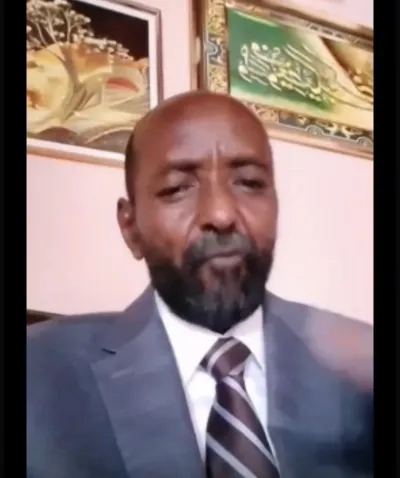
Former Minister Abakar Sabone spoke live on Facebook recently, detailing the dire reality experienced by populations in the Central African Republic. Sabone reported that nightly assassinations are occurring in cities and villages across the country. He further described a pattern where individuals are kidnapped, subsequently taken to isolated locations, and then executed. These disturbing events, Sabone emphasized, contribute to a widespread climate of fear among the populace.
Sabone questioned the current situation, stating, "Quelle paix ?" (What peace?). This rhetorical question showed his skepticism regarding official claims of stability in the nation. In addition to the security concerns, he noted a severe shortage of food in markets, exacerbating the challenges faced by Central African citizens. The former minister's address noted both the widespread insecurity and the growing humanitarian crisis, painting a bleak picture of daily life for many. His live broadcast on Facebook served as a direct platform to convey these urgent observations to a wider audience, challenging prevailing narratives.
Daily Life Under Threat
Former Minister Abakar Sabone stated that no one in the Central African Republic feels truly safe, whether residing in urban centers or rural areas. Sabone described these acts of violence as repeating without interruption, contributing to a widespread sense of insecurity that has become a constant feature of life. He noted that even in the capital city, Bangui, residents sleep with fear due to nightly kidnappings. This fear is palpable and widespread, affecting families across various communities. Families frequently remain unaware of the fate of their loved ones until the following day, according to the former minister, a situation that causes immense distress and uncertainty.
Beyond the immediate security threats, Sabone also pointed to the extremely high cost of living, which he said makes it difficult for Centrafricans to afford adequate food. This economic hardship compounds the security crisis, creating a dual burden on the population. The severe shortage of food in markets means that even when funds are available, basic necessities are often scarce or prohibitively expensive. Sabone's account depicted a society grappling with both physical danger and economic vulnerability, where the simple act of living day-to-day presents significant challenges. He showed that the combination of insecurity and economic strain leads to a constant state of anxiety for citizens.
Contradicting Official Narratives
Former Minister Abakar Sabone challenged official assertions of stability in the Central African Republic, questioning, "Quelle paix?" He stated that claiming Central Africans desire peace while disregarding the severe insecurity and food shortages constitutes either a deception of the populace or a lack of accurate information regarding the country's situation. Sabone emphasized that genuine peace must manifest through tangible actions and the creation of an environment where citizens can rest without apprehension and access food without hardship. He suggested that official narratives fail to acknowledge the daily realities faced by the population, which include nightly assassinations and kidnappings.
For Sabone, the current conditions indicate that the purported peace does not align with the lived experiences of Centrafricans, who continue to grapple with fear and economic strain. He firmly believes that peace must translate into concrete actions that improve the daily lives of citizens, allowing them to sleep without fear and eat without difficulty. The former minister argued that any declaration of peace or stability is hollow if it does not address the fundamental needs for security and sustenance. The stark contrast between official statements and the grim reality on the ground, as described by Sabone, notes a significant disconnect. He suggested that ignoring these critical facts is either a deliberate act of misleading the public or a profound misunderstanding of the true state of affairs in the country.
Forced Exile as Proof
Former Minister Abakar Sabone stated that he, along with numerous other political figures, is currently living abroad due to the prevailing conditions in the Central African Republic. Sabone noted that the forced exile of these individuals serves as direct evidence that genuine peace remains absent in the country. This situation, where prominent political actors cannot safely reside in their homeland, directly contradicts any claims of national tranquility or reconciliation. He questioned the official narrative, reiterating his earlier sentiment, "Quelle paix?" The former minister asserted that the inability of political actors to reside safely within their own nation contradicts any claims of stability or reconciliation, serving as a tangible indicator of ongoing turmoil.
Sabone’s assertion links the personal circumstances of exiled politicians to the broader national security situation, suggesting that their displacement is a symptom of ongoing instability. He argued that if true peace were established, these political figures would be able to return and participate in national life without fear. The continued presence of prominent figures in exile, according to Sabone, undermines the government's declarations of progress and a return to normalcy. Their absence, therefore, stands as a tangible indicator that the purported peace does not align with the lived realities and political freedoms within the Central African Republic. This forced exile is, in Sabone's view, irrefutable proof that the country has not yet achieved the peace and stability that official sources might claim.