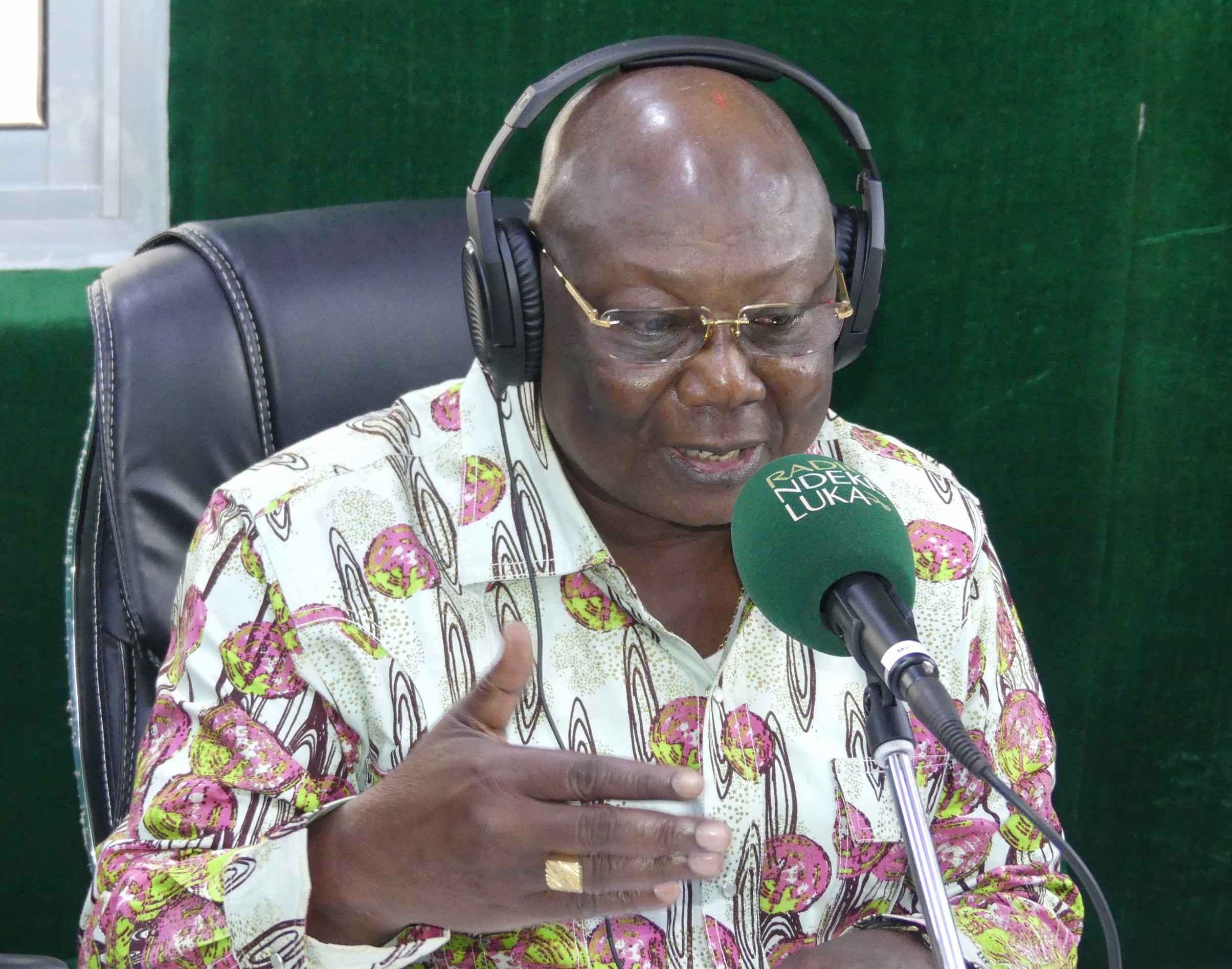
Elie Oueifio, a former minister and prefect in the Central African Republic (CAR), has stated that the military approach to resolving the country's conflict has reached a strategic impasse. Oueifio's assessment, based on his field observations, indicates that neither regular forces nor foreign interventions are succeeding in bringing about a resolution through military means. He suggests that the ongoing conflict in the Central African Republic requires a different strategy. His analysis shows a critical juncture for the nation, emphasizing the need for a shift away from purely military solutions.
Military Path Blocked
Decades of armed conflicts in the Central African Republic have not established lasting peace or secured the population, according to former minister Elie Oueifio. He stated that the persistence of violence in the provinces demonstrates the inability of arms to resolve deeply political and social crises. Oueifio's field observations indicate that neither regular forces nor foreign interventions are succeeding in bringing about a resolution through military means. According to Elie Oueifio's field observations, the military option, whether from regular forces or foreign interventions, faces a global strategic impasse. This full failure of military solutions necessitates a re-evaluation of the approach to peace. He suggests that the ongoing conflict in the Central African Republic requires a different strategy. The former minister emphasized that the military approach has reached a strategic impasse, failing to deliver long-term stability or protect civilians. He further elaborated that the reliance on military interventions has only perpetuated cycles of violence without addressing the root causes of the conflict. This continued instability, despite numerous military efforts, notes the urgent need for alternative solutions.
Path to Lasting Peace
Former Minister Elie Oueifio stated that the reconstruction of the Central African Republic requires the immediate opening of an authentic discussion space. This space, he argued, should bring together all vital forces of the nation without exclusion. The reconstruction of the state, in his view, hinges on this inclusive dialogue. To accompany this reconciliation dynamic, Oueifio advocated for a measure of collective pardon through the adoption of a general amnesty. This proposed amnesty is intended to foster an environment conducive to trust-building and reconciliation among all parties.
He emphasized that an inclusive national dialogue is essential to allow for the airing of frustrations from different communities. This inclusive national dialogue should allow for the airing of frustrations from different communities and the redefinition of rules for peaceful coexistence across the territory. Such a dialogue, Oueifio suggested, would facilitate the redefinition of rules for peaceful coexistence across the territory. The former minister considers this legal and political approach indispensable to break the cycle of vengeance that has plagued the nation. This legal and political approach is deemed indispensable to break the cycle of vengeance and encourage armed actors to lay down their weapons permanently. This strategy, according to Oueifio, would also encourage armed actors to lay down their weapons permanently, paving the way for lasting stability. He stressed that a full approach, combining dialogue with legal measures, is the only viable path to sustainable peace and national cohesion.
Call for Presidential Action
Partial pacification initiatives previously led from the capital have failed to establish trust within the Central African Republic, according to former minister Elie Oueifio. Partial pacification initiatives led from the capital have failed to establish trust, showing the limitations of top-down approaches without broad community engagement. Oueifio stated that these efforts, despite their intentions, have not resonated with the population or significantly de-escalated local conflicts. New reports indicate persistent tensions at the borders of the Central African Republic, further noting the ongoing instability. International chancelleries and civilian populations are awaiting a strong signal from the presidency, which Oueifio believes is key for initiating genuine reconciliation. The former minister emphasized that a decisive move from the highest office is necessary to break the current deadlock and foster a more inclusive peace process. He concluded that only a strong political will from the presidency can effectively galvanize the nation towards a future of peace and stability, transcending past failures and divisions.