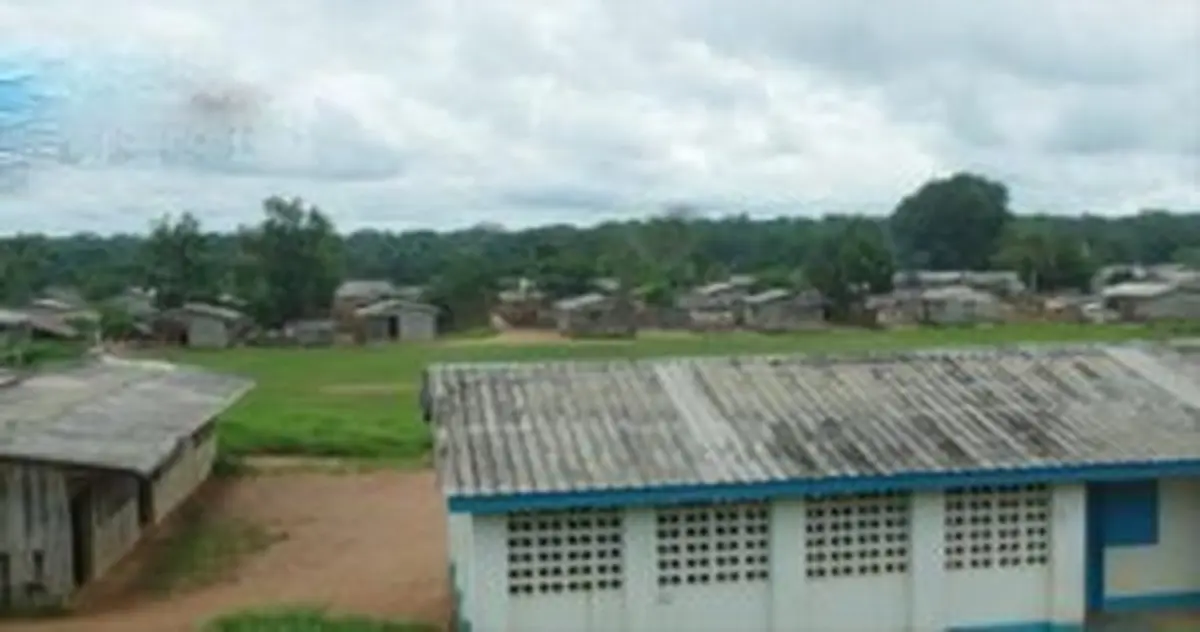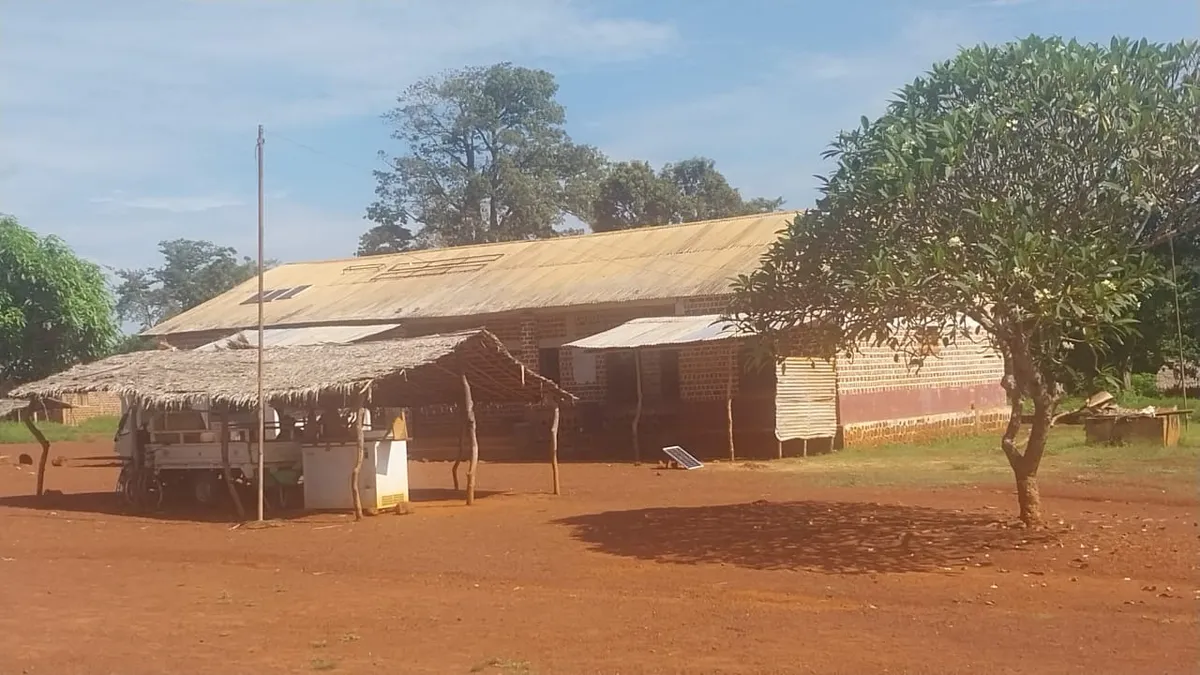
The hospital in Gambo, Mbomou, currently operates from a building constructed in 1978. Patients at the facility face significant risks due to the absence of a functional bloc opératoire, which prevents the medical team from performing necessary surgical emergencies. Staffing shortages further constrain the hospital’s ability to provide care, as the facility employs only two qualified medical staff members. These conditions persist in the regional center, impacting the availability of critical medical services for the surrounding population. The building, which has served the community since its inception in 1978, now struggles to meet the basic requirements of modern medical practice. Without a functional bloc opératoire, the facility is unable to address the most urgent health crises that arise within the local population. The presence of only two qualified medical staff members means that the facility is significantly under-resourced to handle the daily volume of patients seeking assistance.
Dangerous Patient Evacuation Routes
Patients requiring emergency care at the Gambo facility face a 75-kilometer journey to Bangassou to receive treatment. This travel requirement affects individuals with acute medical needs, including pregnant women who require cesarean sections that cannot be performed locally. The necessity of traveling 75 kilometers to reach the nearest capable medical center places an immense burden on those in need of urgent intervention.
Medical evacuations to Bangassou rely on transport by motorcycle. These trips take at least three hours to complete. The transit time and the mode of transport present ongoing risks for patients in the Mbomou region who are already in critical condition. Because the Gambo facility lacks the infrastructure for surgical procedures, the reliance on motorcycle transport for a three-hour journey is the only option available for those facing life-threatening emergencies.
Fatal Consequences of Infrastructure Gaps
Patients, including pregnant women and infants, have died during the 75-kilometer transport to Bangassou. These individuals require medical interventions that remain unavailable at the Gambo hospital due to the facility's limited infrastructure. The lack of emergency surgical capabilities in the Mbomou region necessitates these transfers, which expose fragile patients to prolonged transit times on motorcycles. Simon Goussoumalé, reporting for Corbeau News Centrafrique, documented these fatalities as a direct result of the facility's inability to provide life-saving care within the République centrafricaine. The absence of a functional bloc opératoire forces medical teams to risk patient stability by relying on these lengthy evacuations to the regional center.
Families now face the reality of losing relatives during the journey to Bangassou. These deaths illustrate the severity of the medical service gaps currently affecting the population in Gambo. As patients are moved over 75 kilometers of road via motorcycle, the three-hour duration of the trip often proves too long for those in critical condition. The absence of a functional bloc opératoire remains the primary obstacle to stabilizing patients on-site. With only two qualified medical staff members on hand, the facility is unable to mitigate the risks associated with the necessary transport of patients to Bangassou. The situation in the République centrafricaine notes how infrastructure gaps in Gambo directly lead to the loss of life during these arduous medical evacuations.