A recent broadcast on July 4, 2026, discussed the impact of the general population census on economic planning and development in the RCA. The emission featured Franck Elvis Matkoss, Director of Demographic, Social, Gender, and Environmental Statistics at ICASEES. Matkoss shared insights on the census's role in future economic strategies for the Central African Republic. The discussion was presented to the public through audio broadcasts in both French and Sango.
The Role of Census Data
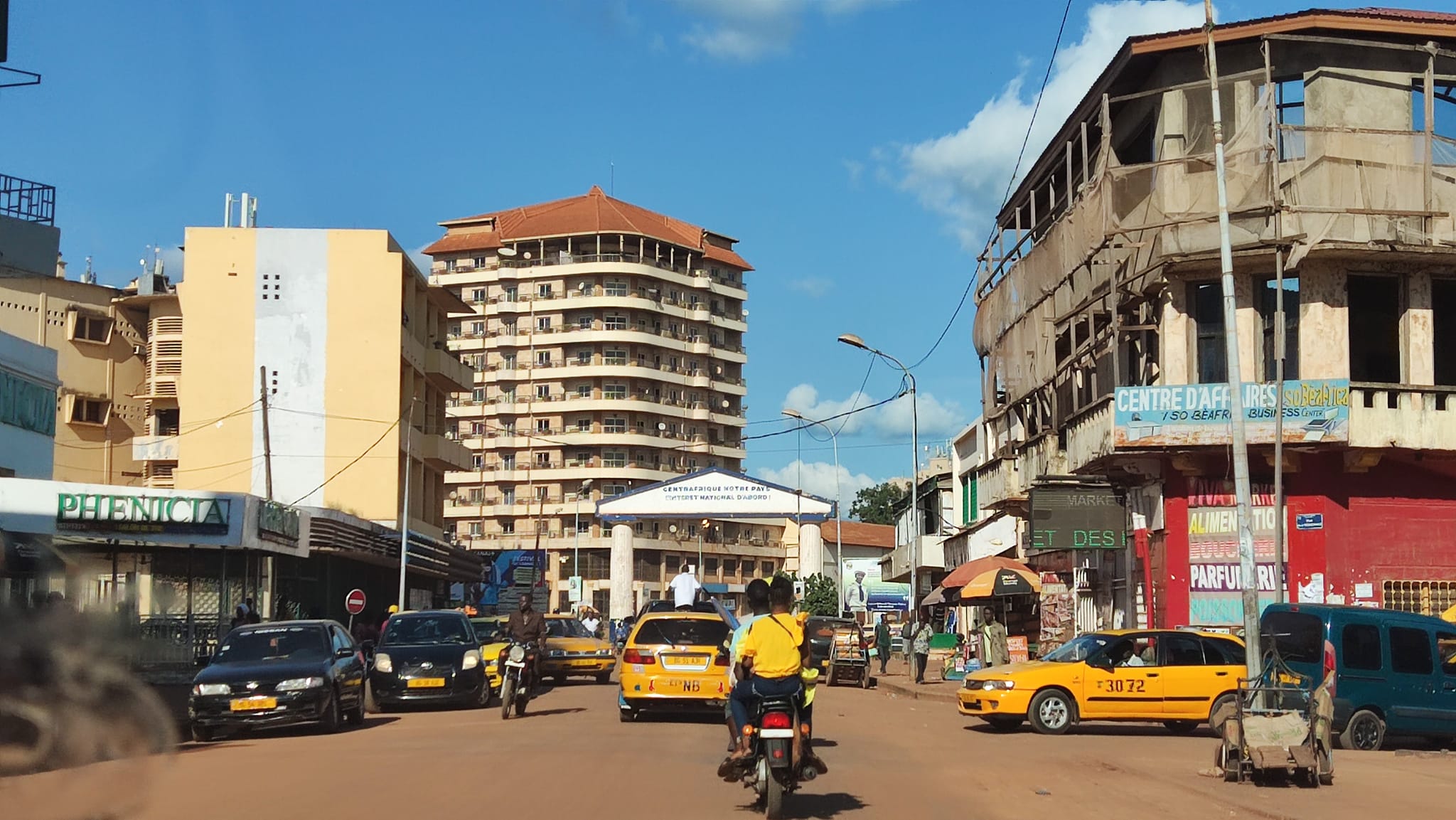
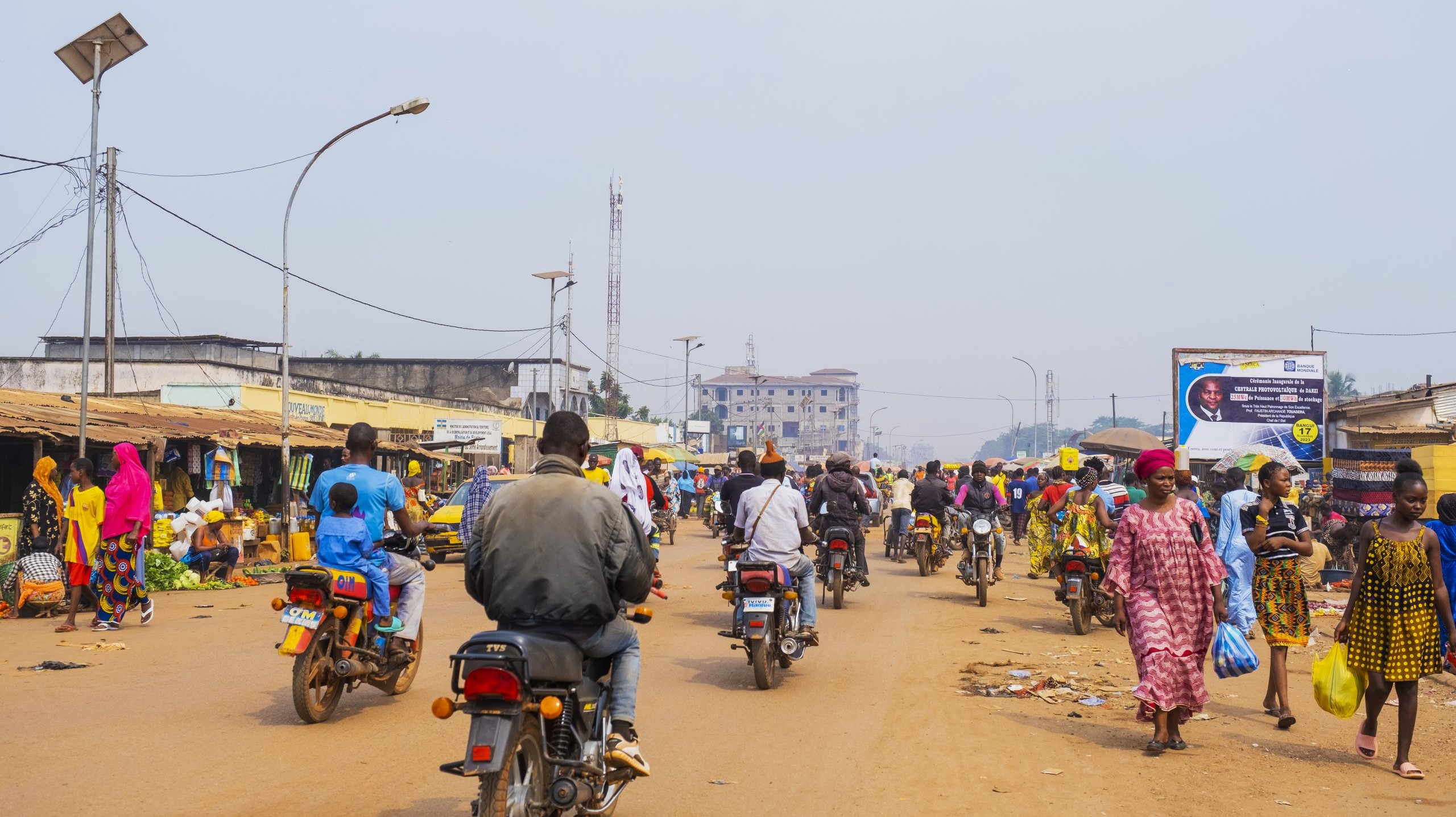
The general population census serves as a foundational instrument for economic planning and development in the Central African Republic (RCA). Data collected through the census provides key insights into demographic trends, population distribution, and socio-economic characteristics across the nation. This information is indispensable for government agencies, including those involved in economic policy formulation, to make informed decisions regarding resource allocation and strategic investments. Franck Elvis Matkoss, Director of Demographic, Social, Gender, and Environmental Statistics at ICASEES, has emphasized the census's significance for the RCA's future economic strategies. Such full data allows for the identification of areas requiring specific development interventions, whether in infrastructure, social services, or economic empowerment programs. Accurate census figures enable the government to tailor policies that address the specific needs of communities, from urban centers like Bangui to its specific districts such as the 3ème arrondissement de Bangui, ensuring equitable growth and efficient use of limited resources. The availability of reliable data is a prerequisite for effective governance and sustainable development initiatives.
Expert Insights on Planning
Franck Elvis Matkoss, Director of Demographic, Social, Gender, and Environmental Statistics at ICASEES, has articulated the specific applications of census data in national planning. Reliable demographic information is essential for tailoring government policies to the actual needs of the population. Matkoss explained that the census provides detailed insights into population distribution, which helps in the strategic placement of infrastructure projects such as schools, hospitals, and transportation networks. Without accurate figures, resource allocation can become inefficient, potentially leading to disparities in public service provision across different regions of the RCA.
The data gathered also informs social programs, allowing authorities to identify vulnerable populations and design targeted interventions. For instance, detailed statistics on age groups, household sizes, and economic activities enable a more precise approach to social welfare, employment initiatives, and educational planning. Matkoss stressed that the census helps to ensure that development efforts in areas like Bangui, including specific districts such as the 3ème arrondissement, are grounded in current realities rather than estimations. This foundational data supports evidence-based decision-making for sustainable economic growth and equitable development across the Central African Republic.
Broader Development Impact
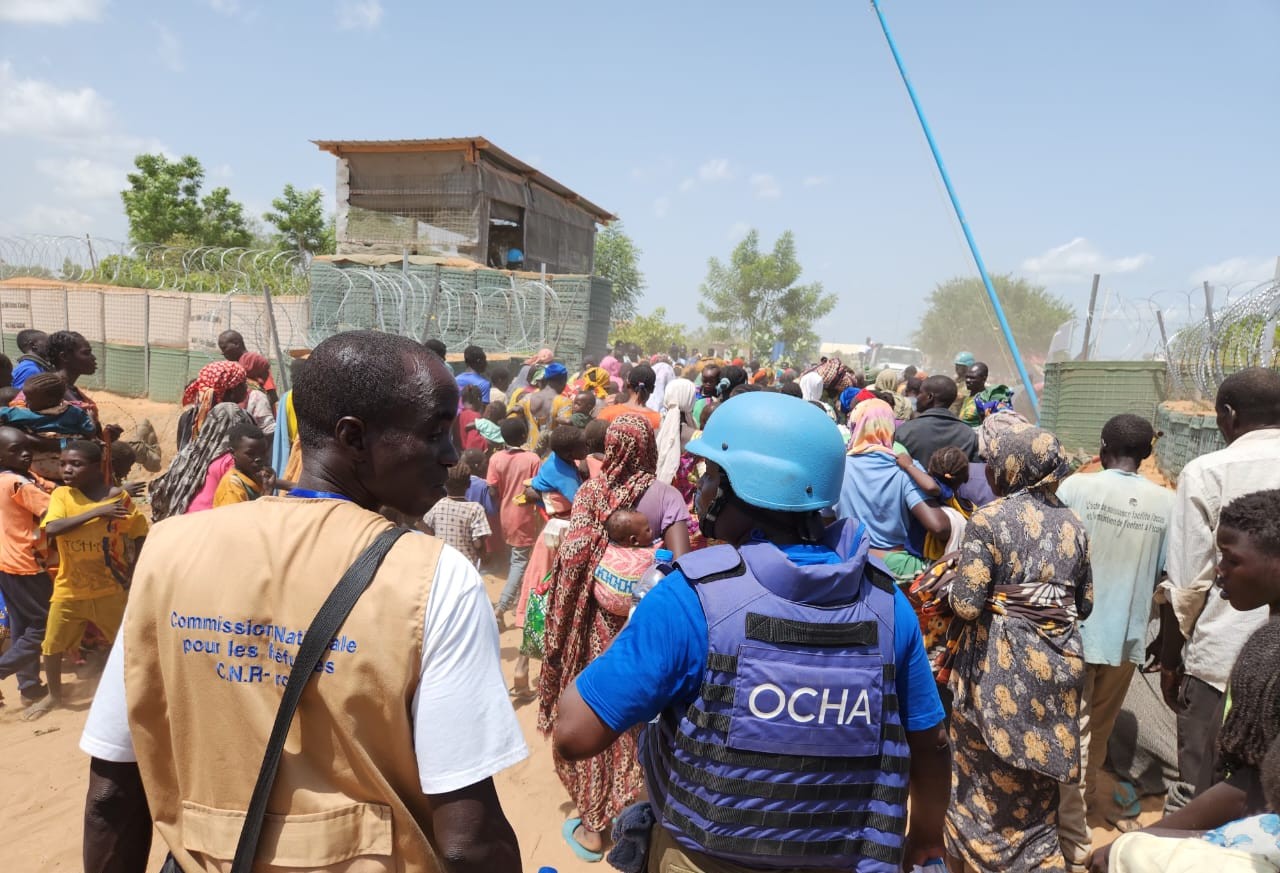
The general population census provides essential data beyond immediate economic planning, informing a wider array of development initiatives across the Central African Republic (RCA). Accurate demographic insights are key for humanitarian aid distribution, enabling organizations to identify and reach vulnerable populations effectively. The information supports urban planning and resource management, guiding decisions on housing, sanitation, and public safety in areas like Bangui and its 3ème arrondissement. Census data is fundamental for electoral districting and ensuring representative governance. This full statistical foundation assists various stakeholders, including international partners, in understanding the country's evolving needs and directing assistance efficiently.