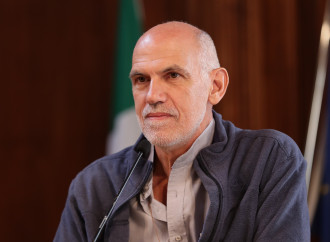
Governor Thierry Evariste Binguinendji of the Fertit region recently traveled to Am-Dafock, a key locality situated within Vakaga, to conduct a critical assessment mission. The primary objective of this high-level visit was to meticulously evaluate the prevailing humanitarian situation in the area, which has become a growing concern. During his full assessment, Governor Binguinendji concluded with urgency that the population residing in Am-Dafock is in dire need of immediate humanitarian assistance. This mission was strategically designed to thoroughly gauge the extent of the crisis affecting the local inhabitants and to precisely identify their most pressing and immediate needs, setting the stage for potential intervention. His observations show a rapidly worsening situation that demands prompt attention and resources.
Governor's Assessment Mission
Governor Thierry Evariste Binguinendji's key assessment mission to Am-Dafock in Vakaga was undertaken following significant events that occurred on June 30th, which prompted the need for an on-the-ground evaluation. The Governor's visit was specifically aimed at thoroughly evaluating the humanitarian situation in the region and determining, with precision, the immediate and most critical needs of the population living in the affected area. His detailed findings unequivocally indicated an urgent requirement for humanitarian assistance, noting the severity of the conditions observed. This mission formed an integral part of a broader, concerted effort to comprehensively understand the full extent of the crisis currently impacting the residents of Am-Dafock and the wider Vakaga region. The insights gathered during this assessment are expected to guide future relief efforts and strategic planning.
Urgent Humanitarian Needs
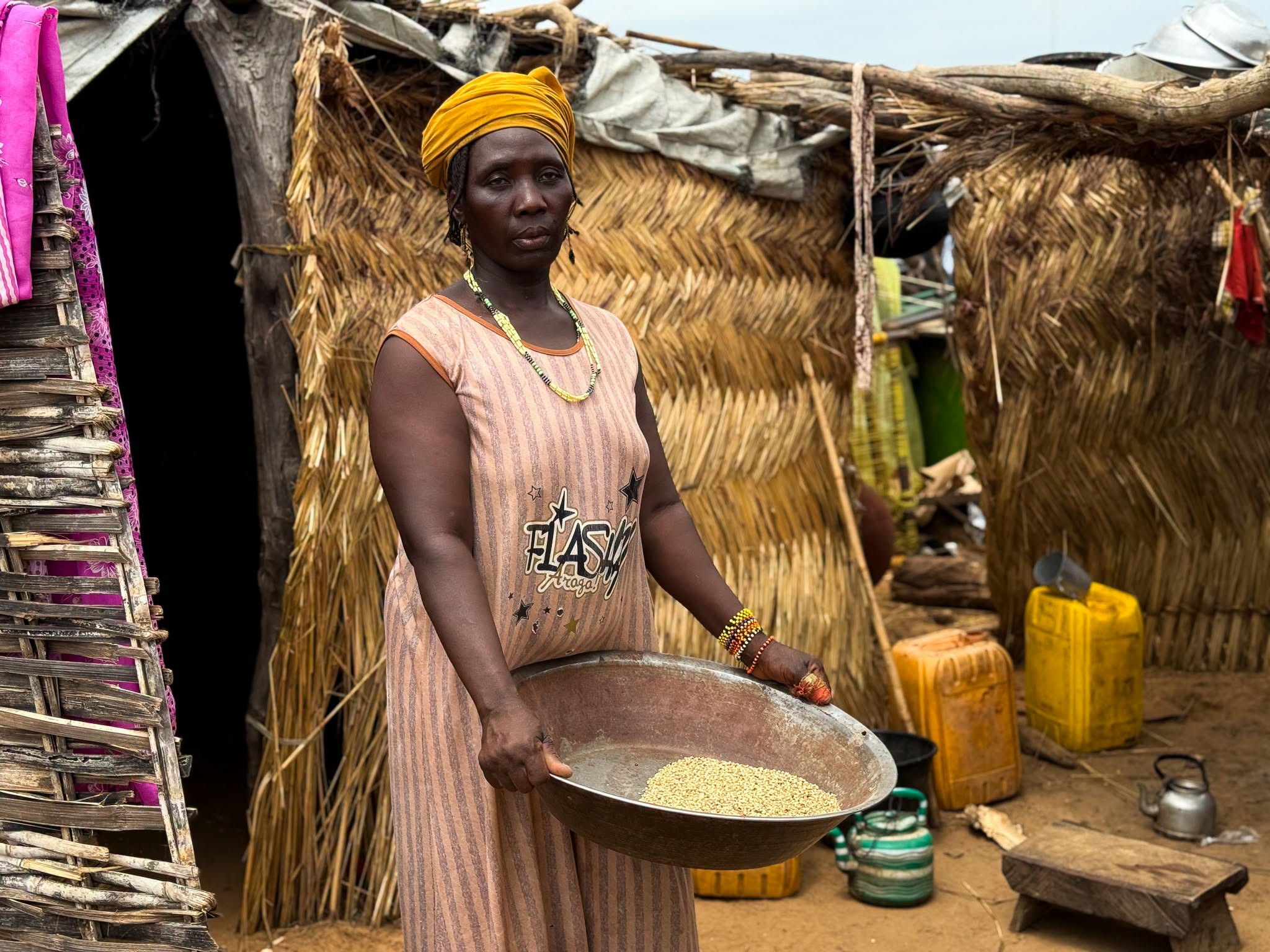
The humanitarian situation in Vakaga is reportedly deteriorating at an alarming rate, a significant concern articulated directly by Governor Thierry Evariste Binguinendji. His assessment follows a recent and direct mission to Am-Dafock, where he personally observed the challenging conditions firsthand, gaining an unvarnished view of the local plight. The governor's findings powerfully emphasize the urgent requirement for humanitarian assistance for the local population, who are struggling with various hardships. This critical assessment notes a deepening crisis within the region, signaling an escalating need for immediate and effective intervention to address the acute challenges currently faced by residents. The continuously deteriorating conditions show the profound urgency of the situation, a reality identified and confirmed during his recent and direct visit to the area, demanding a swift and coordinated response from humanitarian organizations and authorities alike. The lack of timely aid could further exacerbate the already fragile circumstances of the community.
Source of Information
The full details presented in this report are directly derived from responses provided by Governor Thierry Evariste Binguinendji himself. These responses were given to specific questions posed by correspondent Romaric Moustapha Samba, who conducted an in-depth interview. This key information forms the foundational basis of the assessment regarding the humanitarian situation in Vakaga, with a particular focus on the critical conditions observed in Am-Dafock. Correspondent Samba meticulously conducted the interview with Governor Binguinendji, diligently gathering invaluable insights into the urgent needs identified during the recent assessment mission. The governor's direct statements to the correspondent offer a primary and authoritative source for understanding the rapidly deteriorating conditions and the undeniable necessity for immediate aid in the affected areas. The correspondent's detailed interaction with the governor served to clarify the precise extent of the crisis and to articulate the specific and multifaceted challenges currently faced by the local population, ensuring accuracy and depth in reporting. This direct engagement provides a clear picture of the on-ground realities and the imperative for swift action.