A clash between herders and farmers in Keli village, near Boda in Lobaye, resulted in at least four injuries on Sunday, July 12, 2026. The incident involved two herders and two farmers who sustained injuries. This specific confrontation, which occurred on Sunday, July 12, marks another instance of the recurring tensions in the region, noting the persistent challenges faced by these communities. Keli village, situated in the broader Lobaye prefecture, has been a focal point for such disputes, showing the delicate balance required for peaceful coexistence.
Accounts of the Conflict
Jospin Gongo, identified as a farmer, provided an account of the incident, stating he was stabbed with an arrow during the altercation. Gongo testified that he subsequently fought back following the injury, describing his actions as a response to the aggression he faced. Separately, Ali Kine, a herder, offered his perspective on the confrontation, detailing his own involvement. Kine stated that he was injured during the clash and reportedly struck the farmer, presenting his side of the events that unfolded. These testimonies detail the direct involvement of both individuals in the altercation that led to injuries, painting a picture of the immediate moments of the conflict. The differing accounts from the farmer and the herder highlight the complex nature of the conflict, with each party describing their role and perceived actions of the other. Such discrepancies often characterize these types of disputes, making reconciliation efforts more challenging. The incident shows the ongoing challenges in managing interactions between agricultural and pastoral communities in the region, where narratives often diverge.
Underlying Tensions
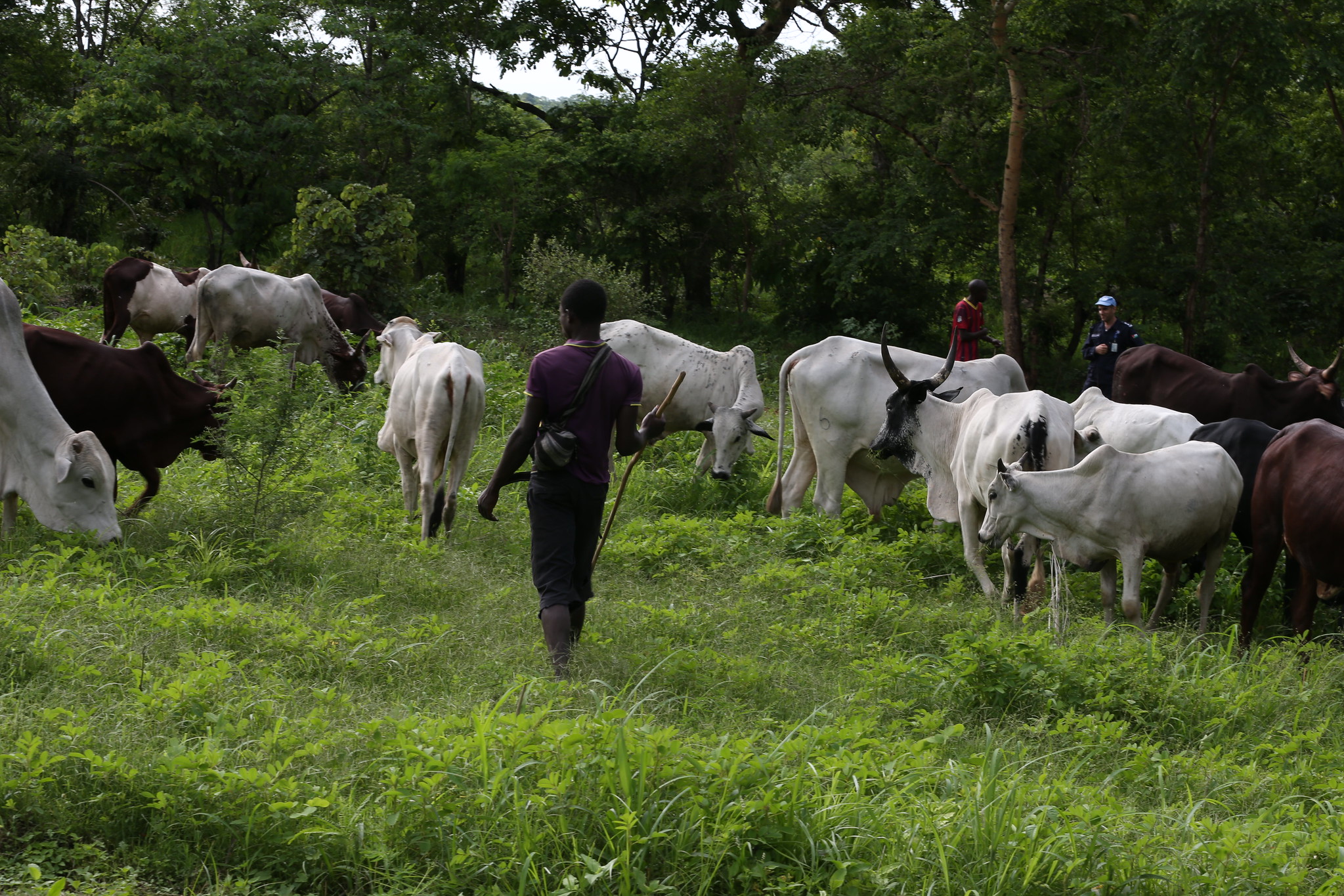
The non-respect of transhumance corridors is reportedly the primary cause of this new tension between herders and farmers. This critical issue revolves around designated pathways for livestock migration that, when disregarded, lead to significant problems. The recurring issue of cattle straying into cultivated fields often triggers such confrontations in the region, as farmers' livelihoods are directly threatened by crop damage. Alfred Eseitoua, who serves as the head of the livestock sector, acknowledges the challenges associated with managing these migratory routes. He emphasizes the difficulty in ensuring that all herders adhere to the established corridors, which are designed to minimize conflict. The lack of adherence to designated pathways frequently leads to disputes over land use and crop damage, exacerbating existing tensions between the two communities. These underlying factors contribute to the volatile environment where minor incidents can escalate into violent clashes, as seen in Keli village. Officials continue to seek solutions to ensure both agricultural and pastoral activities can coexist without conflict, often through educational campaigns and enforcement measures regarding transhumance routes.
Peacekeeping Efforts
The Humanitarian Dialogue Council (CDH) has implemented activities aimed at maintaining peace within the locality. These efforts by the CDH focus on addressing the underlying causes of conflict between herder and farmer communities in areas such as Keli village. The organization's engagement is part of broader initiatives to foster coexistence and prevent further escalation of disputes over land use and resources, which are often at the heart of these clashes. Such interventions are key in a region where tensions frequently arise from issues like the non-respect of transhumance corridors and cattle straying into cultivated fields, leading to significant economic and social friction. The CDH's presence reflects an ongoing commitment to de-escalation and dialogue, working towards stable relations between the different groups involved in agricultural and pastoral activities. Their programmatic activities seek to establish mechanisms for conflict resolution and promote understanding among residents, aiming to build bridges between communities through structured discussions and community-based solutions. These efforts are vital in transforming cycles of violence into pathways for sustainable peace.