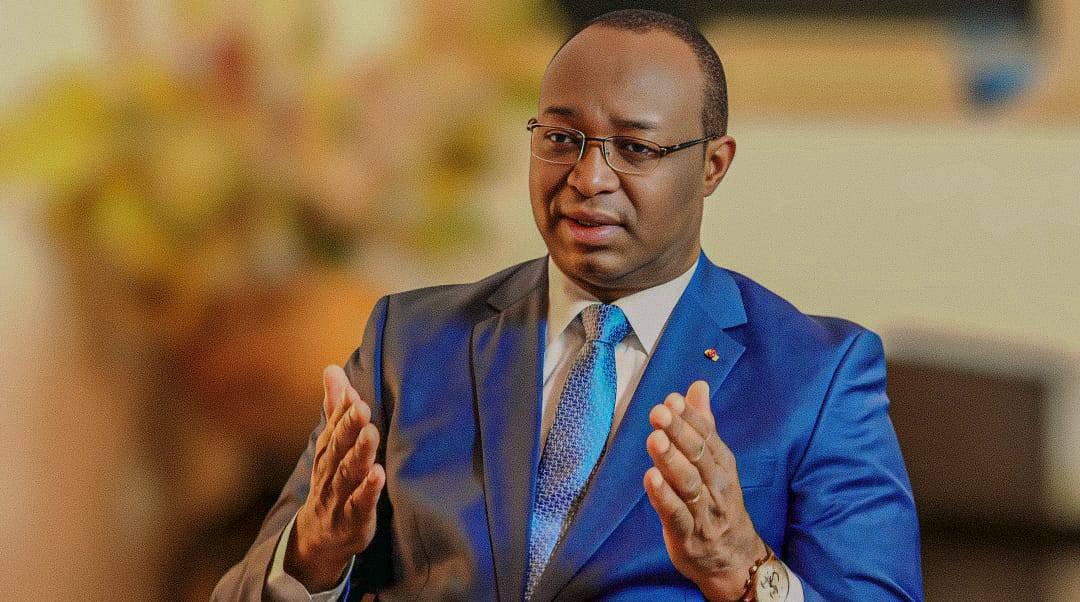
The National Human Rights Commission and Fundamental Freedoms (CNDHLF) is seeking to de-escalate tensions between the country's authorities and Anicet Georges Dologuélé, president of URCA. Members of the CNDHLF met with Mr. Dologuélé on Wednesday, May 20, to exchange views regarding the unfolding situation. This significant meeting occurred amidst ongoing tensions between the opposition leader and the authorities, a context that has seen increasing friction between the two parties. The CNDHLF aims to mediate the disagreements, according to sources familiar with the discussions, in an effort to find common ground and alleviate the current political strain.
Opposition Leader's Travel Ban
The recent escalation of tensions stems primarily from an incident on May 5, when Anicet Georges Dologuélé, president of URCA, was prevented from departing the country at Bangui-Mpoko International Airport. The incident involved airport authorities confiscating his diplomatic passport, thereby thwarting his intended travel. Mr. Dologuélé had been scheduled to travel to Addis Ababa, Ethiopia, following an invitation from the African Union, an important international engagement. This unexpected prevention of travel prompted a strong reaction from the opposition leader. Anicet-Georges Dologuélé publicly denounced the decision during a press briefing held after the event, expressing his dismay and concern over the actions taken against him. The prevention of his travel and the confiscation of his passport have fueled further tensions between Mr. Dologuélé and the country's authorities, marking a significant point of contention in their relationship.
Allegations of Political Persecution
Anicet-Georges Dologuélé has publicly stated he is a victim of political persecution, a situation he claims began with the announcement of his candidacy for the last presidential election. His accusations suggest a pattern of official actions aimed at hindering his political activities and undermining his role as an opposition figure. This assertion by Mr. Dologuélé notes his belief that the challenges he faces are deliberately orchestrated. In contrast, President Faustin-Archange Touadéra offered a different perspective on the matter, directly addressing the claims. President Touadéra stated, "the opponent faced administrative constraints, dismissing any political pressure." This statement from the President indicates that the authorities view the issues encountered by Mr. Dologuélé as procedural rather than politically motivated, emphasizing a bureaucratic explanation for the travel impediment. The opposing claims from the two figures show the ongoing disagreement regarding the nature of the challenges faced by the opposition leader, making the CNDHLF's mediation efforts all the more critical.
Commission's Role and Next Steps
The National Human Rights Commission and Fundamental Freedoms (CNDHLF) began its mediation efforts by meeting with Anicet Georges Dologuélé, president of URCA, on Wednesday, May 20. The meeting aimed to address the escalating tensions between Mr. Dologuélé and the authorities after his diplomatic passport was confiscated at Bangui-Mpoko International Airport, preventing his travel to Addis Ababa, Ethiopia. Mr. Dologuélé has publicly described the incident as political persecution, while President Faustin-Archange Touadéra characterized it as an administrative constraint. Nothing has been revealed about the specific content or detailed outcomes of the discussions held during this initial meeting, maintaining a level of discretion around the mediation process.
The CNDHLF's engagement marks a formal attempt to de-escalate the situation and understand the perspectives of both sides. While the Commission has initiated contact, no specific details regarding the content or outcome of the discussions have been publicly revealed, leaving many questions unanswered about the progress made. The lack of disclosed information leaves the precise nature of the proposals or commitments made during the meeting unclear. This initial step by the CNDHLF is seen as key for establishing a dialogue channel between the opposition leader and government bodies, providing a structured platform for communication. The Commission's ongoing role is expected to involve further consultations and engagements to bridge the divide and seek a resolution that respects fundamental freedoms and administrative procedures, ensuring a fair and transparent process moving forward.