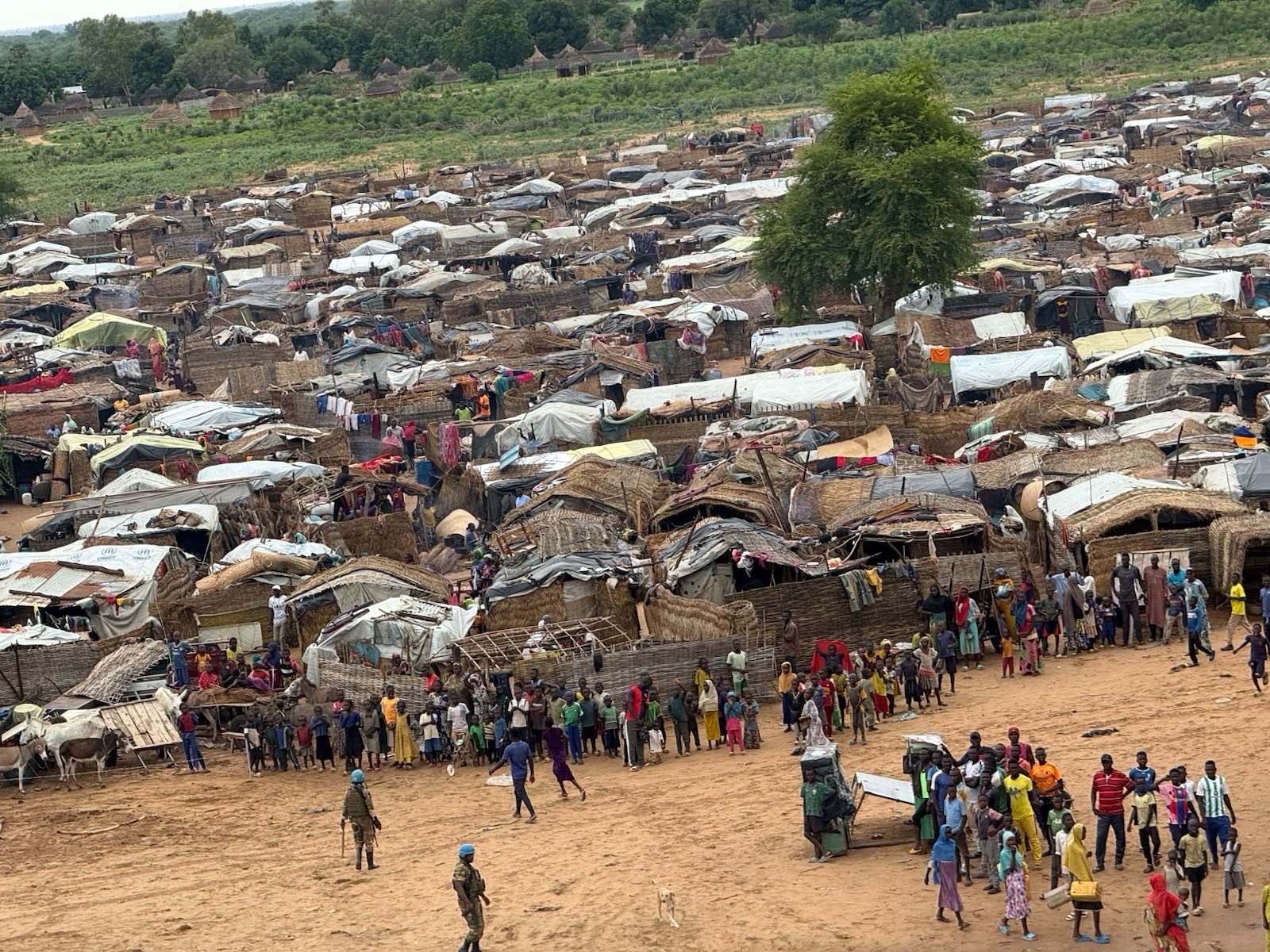
An attack struck Am-Dafock, Vakaga, on June 30th, exacerbating the humanitarian situation in the area. The incident has drawn attention to the escalating challenges faced by residents and aid organizations operating within the region. This development is expected to deepen the ongoing humanitarian crisis, prompting concerns among various international bodies and noting the urgent need for coordinated action. The violence in Am-Dafock has not only caused immediate suffering but has also significantly complicated efforts to deliver essential assistance to vulnerable populations, pushing an already precarious situation closer to a critical breaking point. The impact of the attack extends beyond direct casualties, affecting the social fabric and economic stability of the community.
Urgent Needs Detailed
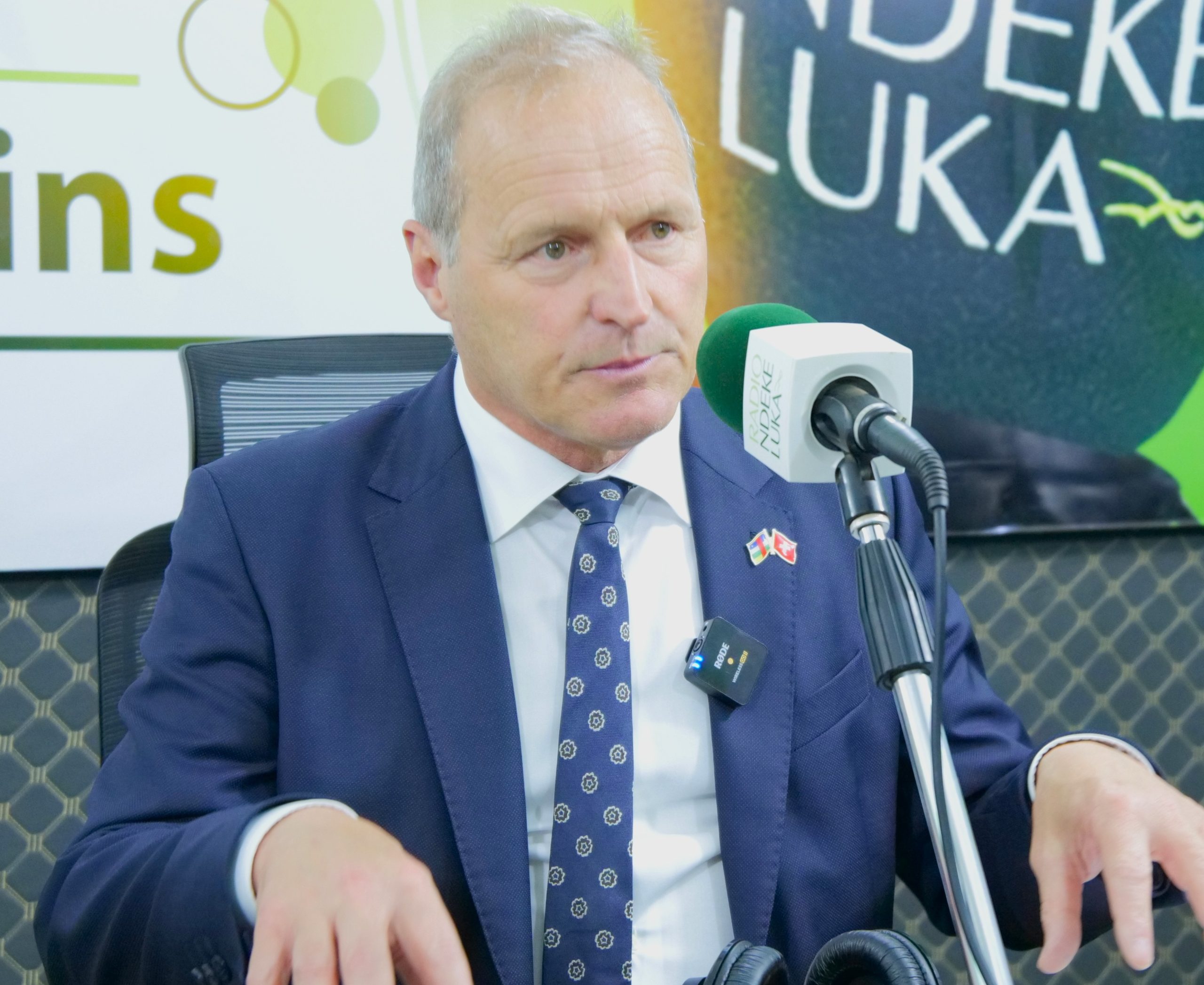
Maxime Nama-Cirhibuka, head of the communication section at OCHA (United Nations Office for the Coordination of Humanitarian Affairs), detailed the most pressing humanitarian requirements in Am-Dafock following the recent attack. OCHA, also known as the Bureau de la coordination des affaires humanitaires des Nations Unies, outlined the critical areas requiring immediate intervention, emphasizing the severe impact on the local population. The situation has intensified the existing challenges faced by aid organizations operating in Vakaga, a region already grappling with instability and limited resources. MINUSCA (United Nations Multidimensional Integrated Stabilization Mission in the Central African Republic) has also been involved in assessing the aftermath and the humanitarian response, working alongside OCHA to understand the full scope of the needs. The communication section head showed the necessity for rapid assistance to address the immediate fallout and prevent further deterioration of living conditions for the affected population. Their assessment points to a range of urgent provisions needed to stabilize the humanitarian situation in the area, including life-saving supplies, shelter, and medical care, all key for mitigating the immediate suffering of those displaced and affected by the violence. The coordination between various agencies is critical to ensure an effective and timely response.
OCHA Calls for Action
The United Nations Office for the Coordination of Humanitarian Affairs (OCHA) is alerting the international community to a critical humanitarian situation in Am-Dafock. OCHA is calling for immediate mobilization to provide aid to the affected populations following the recent attack, stressing the severity and widespread nature of the crisis. The organization emphasizes the urgent need for resources and support to address the deepening crisis in the Vakaga prefecture, which has been severely impacted by the recent events. This appeal follows full assessments indicating a severe deterioration of living conditions and increased vulnerabilities for residents, many of whom have been displaced or lost their livelihoods. Humanitarian agencies are working tirelessly to coordinate a response on the ground, but the sheer scale of the needs necessitates broader international intervention to prevent further loss of life and alleviate suffering. OCHA's alert shows the importance of rapid humanitarian assistance to mitigate the impact of the ongoing crisis and prevent further suffering among the displaced and vulnerable communities in Am-Dafock, ensuring that life-saving aid reaches those who need it most without delay.
Context of the Attack
More than two weeks after the June 30th attack, humanitarian needs remain immense in Am-Dafock, Vakaga. The incident triggered a significant displacement of the local population, forcing many to flee their homes in search of safety, and disrupted essential services, leaving residents in a precarious state. Ongoing assessments by humanitarian organizations indicate that access to food, clean water, and medical care is severely limited, creating a dire situation for families and individuals. The attack compounded pre-existing vulnerabilities in the region, which has historically faced challenges related to insecurity, conflict, and limited infrastructure, making recovery even more difficult. Efforts to deliver aid have been hampered by logistical difficulties, including damaged roads and a lack of transport, and the volatile security situation, which poses risks to humanitarian personnel. The protracted nature of the crisis requires a sustained and coordinated response to address the immediate suffering and support long-term recovery for those affected by the violence, ensuring that full assistance is provided to rebuild lives and communities.