Intense tension and violence have erupted in the city of Boali, located 95 kilometers from the capital on the Bossembélé axis. The local population in Boali is reportedly targeting the Peul herder community, leading to significant unrest and a profound breakdown in community relations. This escalating crisis has plunged the city into a state of acute instability. Amidst the violence, the mosque in Boali was destroyed, marking a significant escalation in the conflict. The city, situated a considerable distance from the capital, has become a focal point of inter-communal strife following a series of deeply troubling incidents.
Escalating Tensions and Accusations
Local inhabitants in Boali suspect Peul herders of criminal kidnapping of civilians, an accusation that has been a constant source of tension and a major point of contention between the communities. Residents report that these kidnappings occur frequently, with incidents noted every one or two weeks, creating an atmosphere of fear and insecurity among the local populace. For the release of each hostage, ransoms ranging from 1 to 2 million CFA francs are reportedly demanded, placing an immense financial burden on families and further fueling resentment. The widespread nature of these alleged kidnappings and the subsequent demands for payment have severely strained the fabric of cohabitation in Boali. The ongoing situation has led inhabitants to maintain a hostile vigilance in the streets of Boali, a clear indication of their deep-seated mistrust and apprehension. This heightened state of alert reflects a refusal by the local population to continue cohabitation under the current circumstances, suggesting a complete collapse of social cohesion. The accusations and subsequent demands for ransom have significantly strained relations between the communities, pushing them to a breaking point. The intensity of these accusations shows the deep divisions that have taken root within the city.
The Fatal Confrontation
The murder of a farmer, approximately forty years old, near Boali Chute ignited violent riots on Tuesday, July 14, 2026. This tragic event served as the immediate catalyst for the widespread unrest that followed. The individual had been intercepted by herders while en route to his fields in the vicinity of Boali Chute, a location well-known to local residents. During the confrontation, the farmer was subjected to severe beatings before being strangled, a brutal act that shocked the community. Bystanders later discovered the farmer's lifeless body, a grim scene that quickly spread through the locality. They then transported it from the scene of the incident to Boali center, where its arrival intensified local tensions and triggered widespread unrest. The public display of the deceased farmer's body galvanized the population, transforming simmering resentment into open conflict. The event was a catalyst for the subsequent destruction and violence reported in the city, leading to a rapid deterioration of public order. The timing and nature of this murder exacerbated existing grievances, pushing the community towards a violent reaction.
Security Response and Displacement
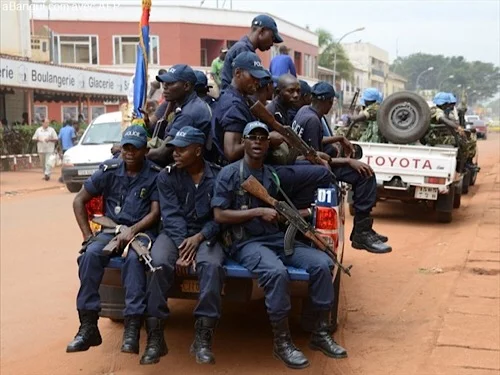
In the wake of the farmer's murder and the ensuing riots, the crowd attacked and completely destroyed the Muslim place of worship, a mosque, during the unrest in Boali. This act of destruction notes the extreme nature of the violence and the targeting of community symbols. The destruction of the mosque represents a significant blow to inter-communal peace and a clear manifestation of the deep-seated anger present. In response to the escalating violence, police and gendarmes were rapidly deployed to the area to restore order and protect lives. Security forces then gathered members of the targeted community, specifically the Peul herders, transferring them to gendarmerie premises to ensure their physical safety from the enraged crowds. This measure was deemed necessary to prevent further harm and de-escalate the immediate threat. The locality is currently emptied of its herders, who are now sheltered by authorities following the displacement caused by the violence. This mass displacement shows the severity of the situation and the immediate danger faced by the Peul community. The presence of security forces aims to prevent further acts of violence and to provide a temporary solution to the immediate crisis, though the long-term implications for community relations remain uncertain. The authorities are now faced with the challenge of managing the aftermath and addressing the underlying causes of this intense conflict.