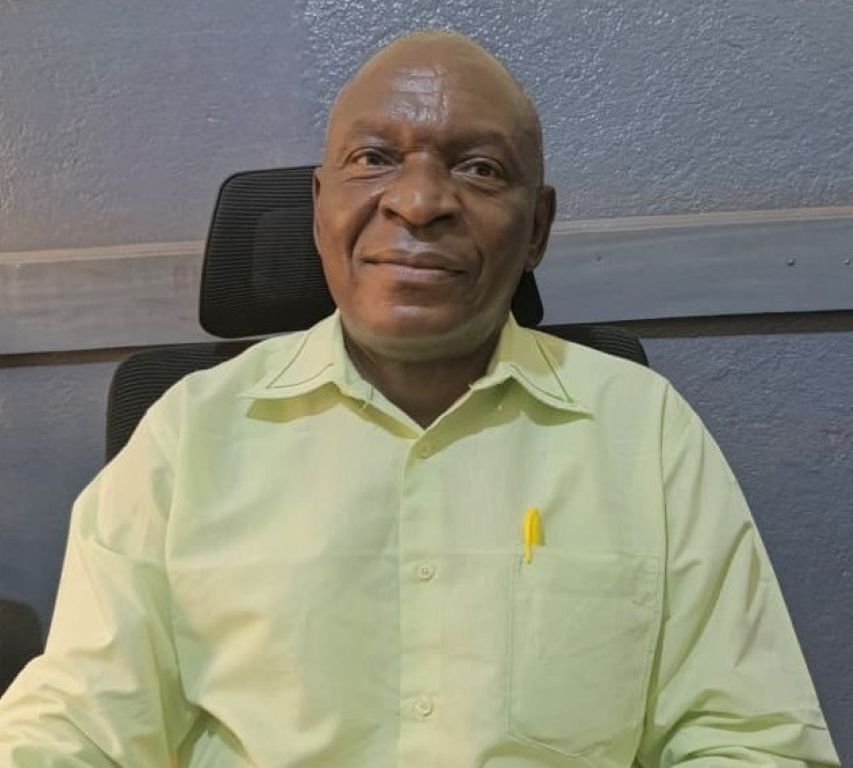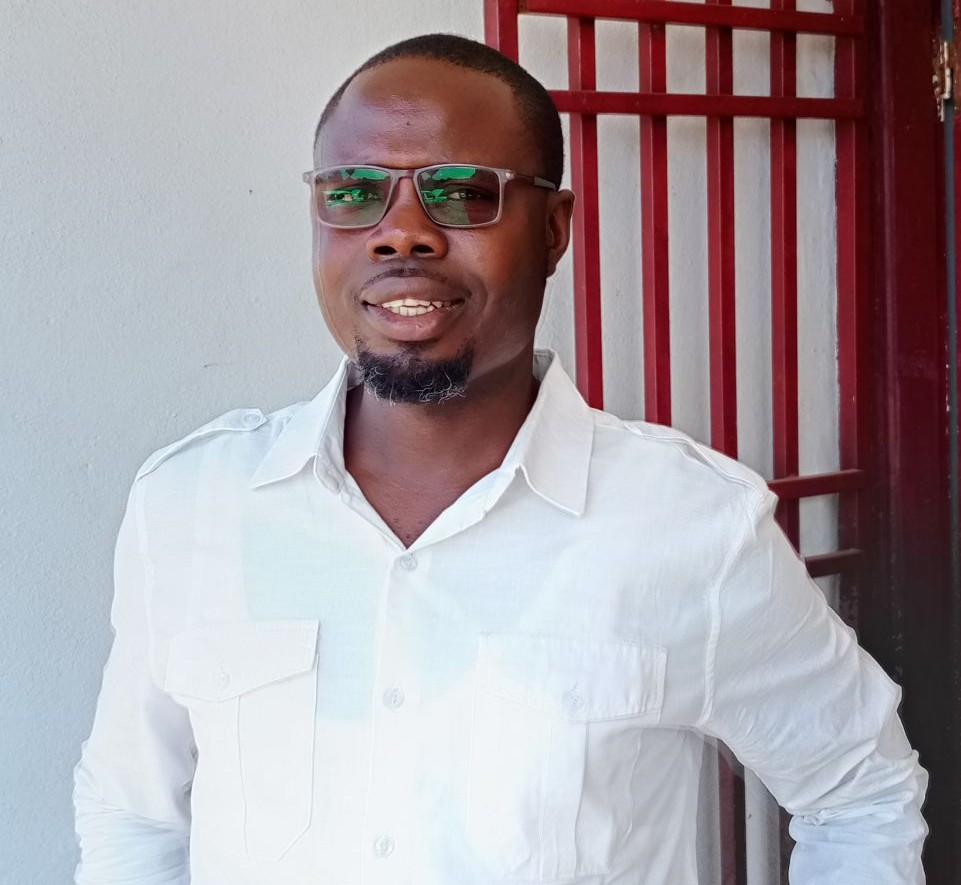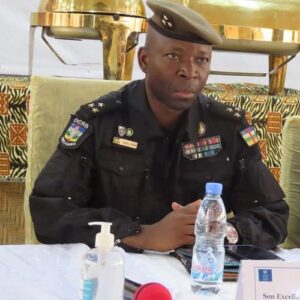
Bienvenu Zokoué, the Minister of Public Security, has moved to arrest Presidential Advisor Sani Yalo in Bangui, République centrafricaine, amidst reports of a volatile interrogation. This significant development, which has sent ripples through the highest echelons of the government, centers on an incident detailed in an article published on June 2, 2026. The report describes Mr. Yalo reportedly losing control and physically threatening a prosecutor during a tense questioning session. During his interrogation, Sani Yalo contested the prosecutor's authority, threatened him, and attempted to slap him before security personnel intervened, according to reports from sources close to the unfolding events. This confrontation notes growing internal strife within the presidential administration, signaling a potential reshuffling of power dynamics.
Confrontation and Legal Pressure
Sani Yalo reportedly holds a dual and influential role within the current political landscape, serving as both the president of the BARC's board and an occult advisor to the current regime. This unique and powerful profile adds a significant layer of complexity to the reported confrontation with the justice system. The prosecutor involved in the interrogation, whose authority Sani Yalo so vehemently contested, has been identified as a direct cousin of President Faustin-Archange Touadéra, according to sources close to the situation. This familial connection to the head of state elevates the incident from a mere legal dispute to a matter with profound political implications, directly impacting the president's inner circle. Yalo's reported actions during the interrogation, including an attempt to physically assault a prosecutor with such close ties to the President, have brought the intricate power dynamics within the government into sharper focus, exposing underlying tensions and rivalries.
In an apparent effort to project influence and demonstrate a base of support, Sani Yalo reportedly funded individuals to demonstrate solidarity in the streets of Bangui. These paid supporters were tasked with publicly proclaiming their backing for him, seemingly attempting to demonstrate a base of public backing amidst the unfolding legal pressure and political scrutiny. The reported financing of these public displays suggests an attempt by Yalo to leverage popular sentiment or create a perception of strength outside official channels, perhaps to counter the narrative building against him. The incident with the prosecutor and the subsequent public displays show the ongoing tensions within the administration, revealing the lengths to which key figures are willing to go to maintain or challenge their positions. The legal pressure on Yalo is intensifying, with the Minister of Public Security actively pursuing his incarceration.
Factional Politics and Influence
The legal proceedings against Sani Yalo did not originate spontaneously. He was summoned by the justice system following direct pressure from the presidency, according to reports, indicating a top-down initiative to address his conduct or influence. This presidential directive shows the gravity of the situation and the perceived threat Yalo poses to the established order. A significant alliance has reportedly formed between Bienvenu Zokoué, the Minister of Public Security, and the prosecutor involved in Yalo's questioning. This alliance is described as representing the Ngbaka-Mandja ethnic faction, identified as President Faustin-Archange Touadéra's maternal family. Sources indicate this powerful group's objective is clear: to remove Sani Yalo from his influential position as president of the BARC's board and to diminish his overall influence within the government. This strategic move notes the ethnic and familial dimensions of the power struggle, where alliances are often forged along deep-seated communal lines.
The current situation draws parallels to the removal of Thierry Kamach, who was dismissed from a government position after compromising recordings were released, suggesting a precedent for such internal power struggles leading to significant personnel changes within the administration. The unfolding events show the intricate web of political maneuvering and ethnic considerations within the current administration, where positions of power are fiercely contested and internal rivalries can lead to swift and decisive action. The Ngbaka-Mandja faction's concerted effort to sideline Yalo indicates a deliberate strategy to consolidate power and eliminate perceived threats to their influence within the government. The historical context of Kamach's dismissal serves as a stark reminder that such internal conflicts can have real and lasting consequences for those involved.
Presidential Response and Future
The pressure on Sani Yalo is escalating rapidly. Bienvenu Zokoué, the Minister of Public Security, is reportedly pressuring the prosecutor's office to obtain an arrest warrant and immediate incarceration for Presidential Advisor Sani Yalo. This aggressive pursuit of Yalo's detention reflects the seriousness with which the Minister and his allies view the situation. Yalo is currently facing accusations related to a coup plot, a charge of immense gravity that could have broad consequences for his political career and personal freedom. The escalating situation has prompted President Faustin-Archange Touadéra to consider cutting short his foreign trip, a clear indication of the crisis's magnitude and its direct impact on the stability of his government.
Reports indicate President Touadéra may return to manage the implosion within his inner circle, demonstrating the critical nature of the internal conflict and the need for direct presidential intervention. This potential return shows the gravity of the internal power struggle, coming amidst allegations of Yalo's involvement in a coup attempt and the minister's push for his immediate arrest. The President's decision to potentially cut short his international engagements notes the urgent need to address the deep divisions and challenges emerging from within his own administration. The outcome of this high-stakes confrontation is expected to reshape the political landscape of the République centrafricaine, potentially leading to significant shifts in power and influence within the presidential apparatus.