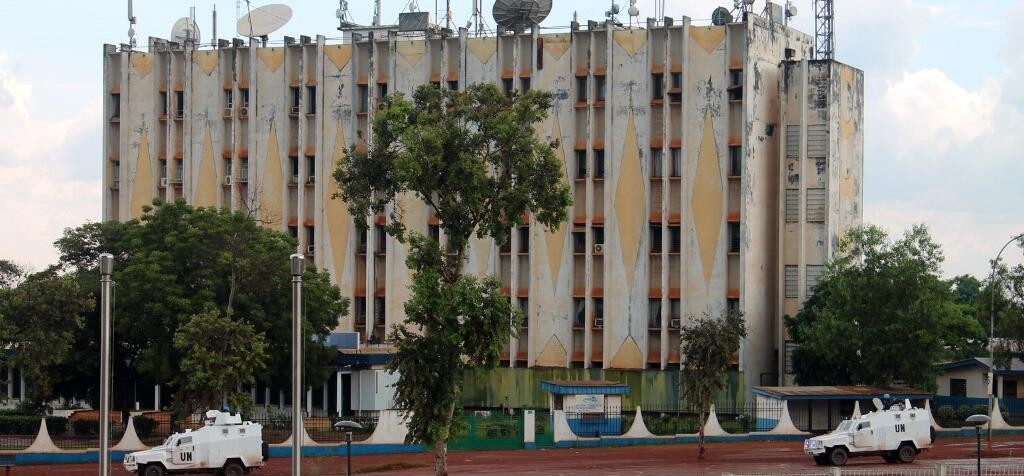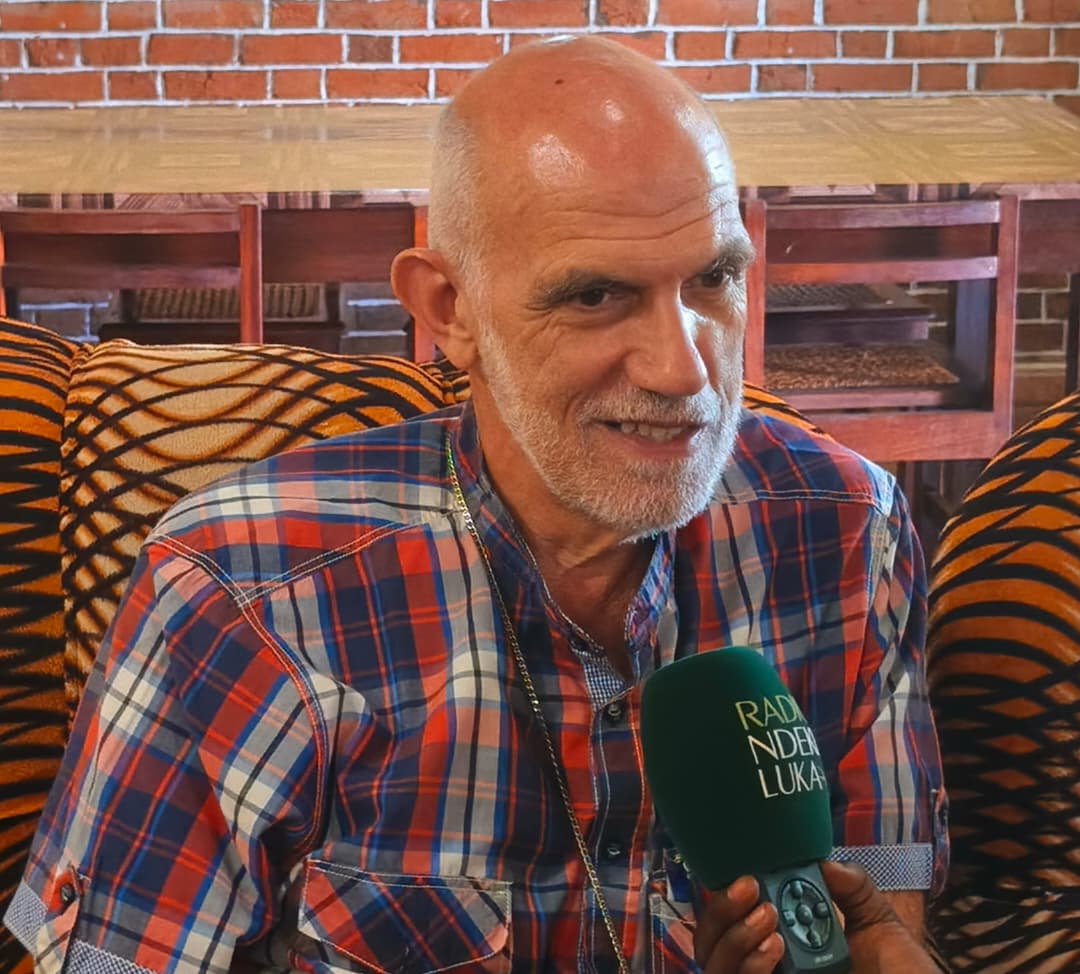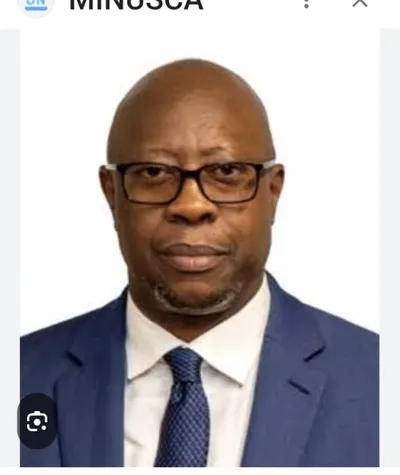
MINUSCA Deputy Director Djamaka attributed ongoing salary delays at the United Nations Office for Project Services (UNOPS) to the discovery of 400 "ghost employees." This acknowledgment came as contract employees and daily workers have reportedly experienced these payment delays for a year, leading to significant hardship. Djamaka stated that "Le dernier recrutement massif de 1000 personnes, prévu au départ pour 300 postes, comptait des proches parmi les nouveaux employés," indicating issues with recent hiring processes and a potential lack of transparency in recruitment. The Deputy Director's comments showed the administrative challenges currently facing the mission.
Internal Chaos Unveiled
The discovery of over 400 "ghost employees" within the mission has been a central issue, significantly contributing to the financial disarray. According to reports, MINUSCA and UNOPS have not yet provided a precise answer regarding how they intend to identify and remove these individuals from the payroll, leaving many questions unanswered about accountability and resolution. This situation primarily affects contract employees and daily workers, who are bearing the brunt of the payment disruptions. In contrast, national and international MINUSCA staff are reportedly not experiencing payment delays, noting a disparity in the impact of these issues. The presence of these "ghost employees" has been cited as a primary reason for the ongoing salary delays, with their continued presence on the payroll draining resources intended for legitimate workers. The lack of a clear strategy for addressing this widespread issue has exacerbated the frustration among the affected workforce.
Worker Grievances Surface
An assembly of contract employees and daily workers, affiliated with MINUSCA and managed by UNOPS, convened on Thursday, August 20, to address their ongoing concerns regarding the persistent payment issues. These employees are currently facing significant financial hardship, with two months of pay reported as missing, creating severe economic strain for many families. The prolonged salary delays have led to visible distress among the workforce, with many individuals struggling to meet basic needs. During the assembly, Rita, a contract employee assigned to a warehouse, experienced a medical incident. She collapsed and subsequently lost consciousness, requiring immediate attention from her colleagues. This distressing event showed the severity of the situation and the profound impact of the payment issues on the physical and mental well-being of the affected personnel. The gathering noted the collective grievances of those impacted by the payment disruptions and served as a stark reminder of the human cost of administrative failures.
Financial Crisis and Recruitment Issues
MINUSCA Deputy Director Djamaka attributed some of the operational challenges to a recent recruitment drive, stating that the last mass recruitment involved 1,000 individuals, significantly exceeding the initially planned 300 posts. This substantial increase in hires, coupled with the revelation that relatives were among the new recruits, as Djamaka noted with "Le dernier recrutement massif de 1000 personnes, prévu au départ pour 300 postes, comptait des proches parmi les nouveaux employés," points to potential irregularities in the hiring process. Djamaka also indicated that the United Nations is currently experiencing a global financial crisis, which adds another layer of complexity to the mission's operational difficulties. This broader financial strain, combined with the recruitment irregularities and the discovery of "ghost employees," has contributed to the ongoing administrative and payment issues within the mission, creating a challenging environment for both management and staff. The confluence of these factors has severely hampered the smooth functioning of UNOPS operations under MINUSCA.