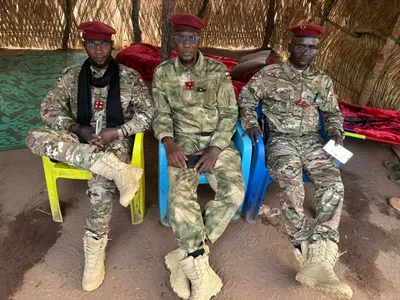
The MPC (Patriotic Movement for Centrafrique) rebel group is reportedly imploding following an internal power struggle. This internal disintegration has created significant instability within the organization. The collapse stems from the appointment of a new official by their primary chief, Mahamat Alkhatim, an action taken without the consent of other key members, according to sources familiar with the group’s internal dynamics. This unilateral decision by Alkhatim has ignited widespread resentment and open defiance among factions within the rebel group.
Internal Power Struggle
Self-proclaimed officers within the MPC rebel group issued a communiqué de presse rejecting the recent appointment made by Mahamat Alkhatim, the group's primary chief. This public declaration signals a significant rift within the Patriotic Movement for Centrafrique (MPC) leadership. The reason for their anger is precisely that their main chief, Mahamat Alkhatim, appointed a new official without their consent, a move they view as a direct challenge to their collective authority. The signatories of the communiqué explicitly stated their rejection of the decision, further distancing themselves from Alkhatim's authority and showing the depth of the internal division. In a move designed to exert pressure and assert their power, the dissident rebels have reportedly blocked access to several gold and diamond sites. This action effectively cuts off a key revenue stream for Mahamat Alkhatim, according to sources familiar with the group's operations. The disruption at these sites shows the severity of the internal division and notes the economic stakes involved in this power struggle.
Criminality and Greed
The current conflict within the MPC rebel group is described as a "war between bandits" vying for control of gold mines in the Central African Republic, according to reports. This internal struggle is primarily a dispute over the sharing of wealth derived from these illicit operations. The article states that the conflict is fundamentally a dispute over the equitable distribution of profits generated from these illegal mining activities. This competition for resources has exacerbated tensions within the group, leading to open hostilities.
To maintain control over the mines and unlawfully enrich themselves, these individuals reportedly ally with the "highest bidders." They are also said to sign pacts with foreign mercenaries, enhancing their capacity for illegal resource extraction and territorial dominance. These alliances facilitate the continued operation of illegal mining activities, which are a major source of income for the factions involved. The competition over these lucrative resources fuels the ongoing instability and violent confrontations within the group, revealing a deep-seated criminality at the heart of their operations.
Impact on Civilians
The civilian population in areas affected by the Patriotic Movement for Centrafrique (MPC) rebel group's internal struggle is reportedly enduring significant hardship. Local residents are suffering from violence and systematic looting, according to reports. This suffering occurs as various factions within the MPC continue to fight amongst themselves for control over lucrative gold deposits. The civilian population is directly impacted by their violence and looting while the rebels fight over gold deposits, creating a perilous environment for non-combatants. The ongoing power struggle within the rebel group has directly contributed to the deteriorating security situation for non-combatants, who face the brunt of the instability and criminal activities associated with the conflict over resources. Homes are ransacked, livelihoods are destroyed, and communities live in constant fear due to the relentless pursuit of illicit wealth by these armed groups.
Rebel Leaders' True Motives
The rebel leaders are accused of prioritizing financial gain and gold above all else, despite their claims of seeking constructive dialogue. Sources describe the ongoing conflict within the Patriotic Movement for Centrafrique (MPC) as primarily a financial war. It is asserted that these individuals are common criminals who have refused to lay down their arms, suggesting a fundamental unwillingness to engage in peaceful processes. This perspective suggests that the internal strife is driven by economic motivations rather than political objectives, with control over valuable resources being the ultimate prize. The article asserts that these are common criminals who refuse to lay down their arms, reinforcing the view that their actions are driven by self-enrichment rather than any legitimate political agenda. The focus on monetary objectives, particularly control over gold, reportedly overshadows any pretense of engaging in peaceful negotiations or addressing the needs of the population. The rebel leaders are accused of only thinking about money and gold, despite pretending to seek dialogue, exposing their true priorities.