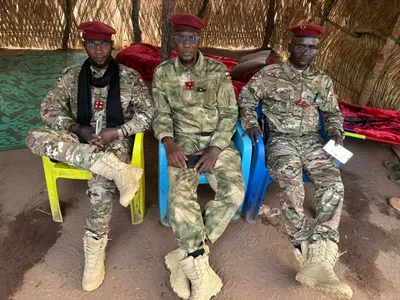
General Ahmat Chaltout, recently appointed Chief of Staff by President Mahamat Alkhatim, has declared his withdrawal from Alkhatim's leadership, according to a document titled "Attestation de reconnaissance N°001/05/06" issued from Mbarawil on May 16, 2026. This formal declaration, dated May 16, 2026, explicitly states Chaltout's decision to no longer operate under Alkhatim's command. Chaltout has reaffirmed his decision to work closely with General Djido Ali and recognizes Djido Ali's authority and command over the movement's troops. This significant defection follows a week of tension near Markounda, where forces loyal to Djido Ali and his military coordinator Kader Hassan were blocking the installation of the new hierarchy. Ahmat Chaltout's decision ends an armed standoff that threatened to plunge the region into bloodshed, which UPC mediation narrowly avoided. The document, originating from Mbarawil, serves as a clear indicator of the shifting allegiances within the movement.
Shifting Alliances and Authority
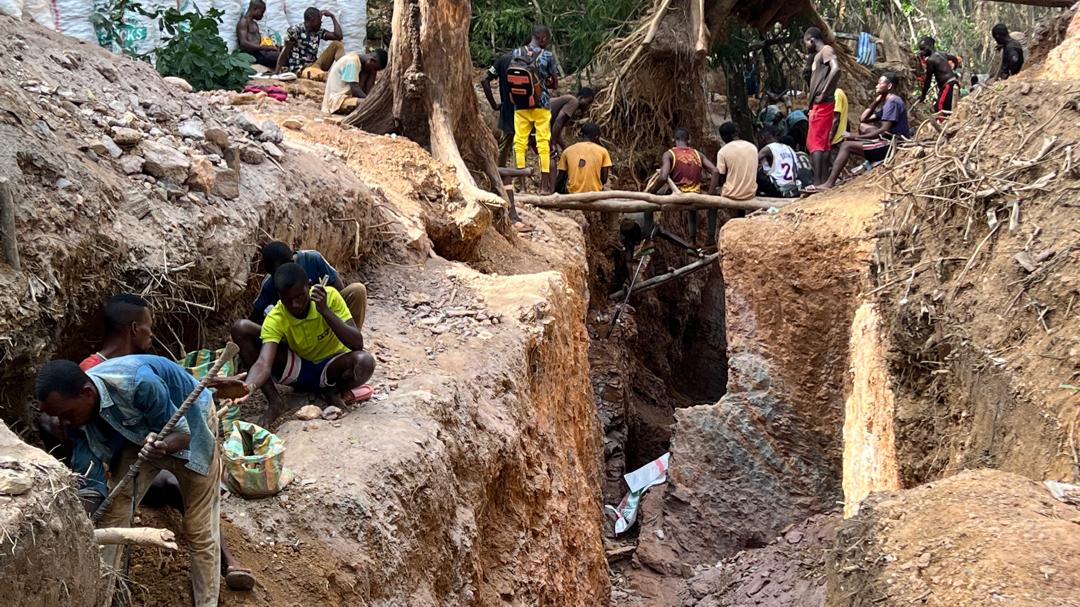
Mahamat Alkhatim's authority is now openly challenged, with his influence reportedly diminishing as the dissident faction gains ground. This shift in power dynamics comes as the rival group consolidates control over the region's gold resources, a move that significantly strengthens their position. This control over vital resources is a key factor in the erosion of Alkhatim's power. The defection of General Ahmat Chaltout further shows the erosion of Alkhatim's command structure, especially within the military wing. The strategic importance of the gold-rich areas provides the dissident faction with significant financial leverage, potentially allowing them to sustain their operations and expand their reach. This development suggests a critical juncture for the political landscape in the area, with the balance of power seemingly tipping away from the established leadership. The control over natural resources often plays a key role in such internal power struggles, and the current situation appears to be no exception, with the dissident faction's command over gold resources directly impacting Alkhatim's diminishing influence.
Regional Power Dynamics
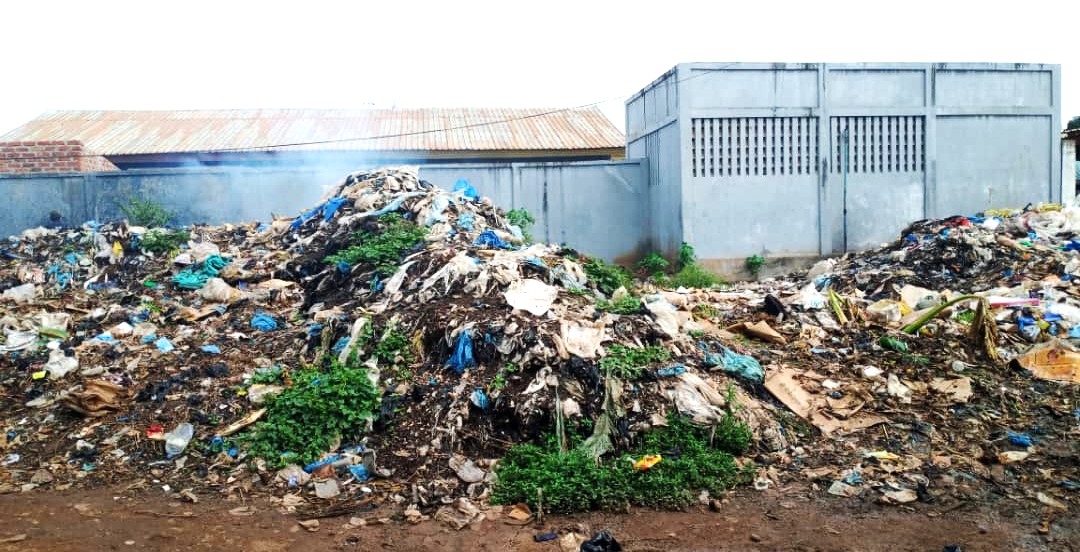
The Djido clan exerts control over mining sites in Ouham, an area strategic for its natural resources. This control provides the clan with significant economic power, reinforcing its position within the region's complex political landscape. The clan's influence is further bolstered by strong local support, which contributes to its ability to challenge existing power structures. This dynamic notes the critical role that resource control and local allegiances play in shaping the ongoing shifts in regional authority. The acquisition and maintenance of such sites offer the Djido clan not only financial resources but also a base of operations and leverage in negotiations with other factions. Their strong support base within the Ouham region further solidifies their capacity to exert influence and maintain control over these valuable assets, directly impacting the broader power dynamics at play.
Implications of the Defection
The defection of General Ahmat Chaltout marks a significant moment in the ongoing power struggle within the MPC, impacting President Mahamat Alkhatim's leadership. Chaltout's move to align with General Djido Ali and his military coordinator Kader Hassan consolidates the rival faction's military strength. This shift could grant Djido Ali's group greater operational capacity, particularly given their established control over mining sites in Ouham, an area known for its natural resources. The formal document, "Attestation de reconnaissance N°001/05/06," issued from Mbarawil, shows a formal break, further legitimizing the challenge to Alkhatim's authority. This development may influence the broader political stability in Centrafrique, potentially leading to further realignments among other factions. The rival group's ability to leverage the gold resources in Ouham could provide substantial financial backing, enabling sustained operations and potentially attracting additional support, thereby reshaping the strategic landscape.