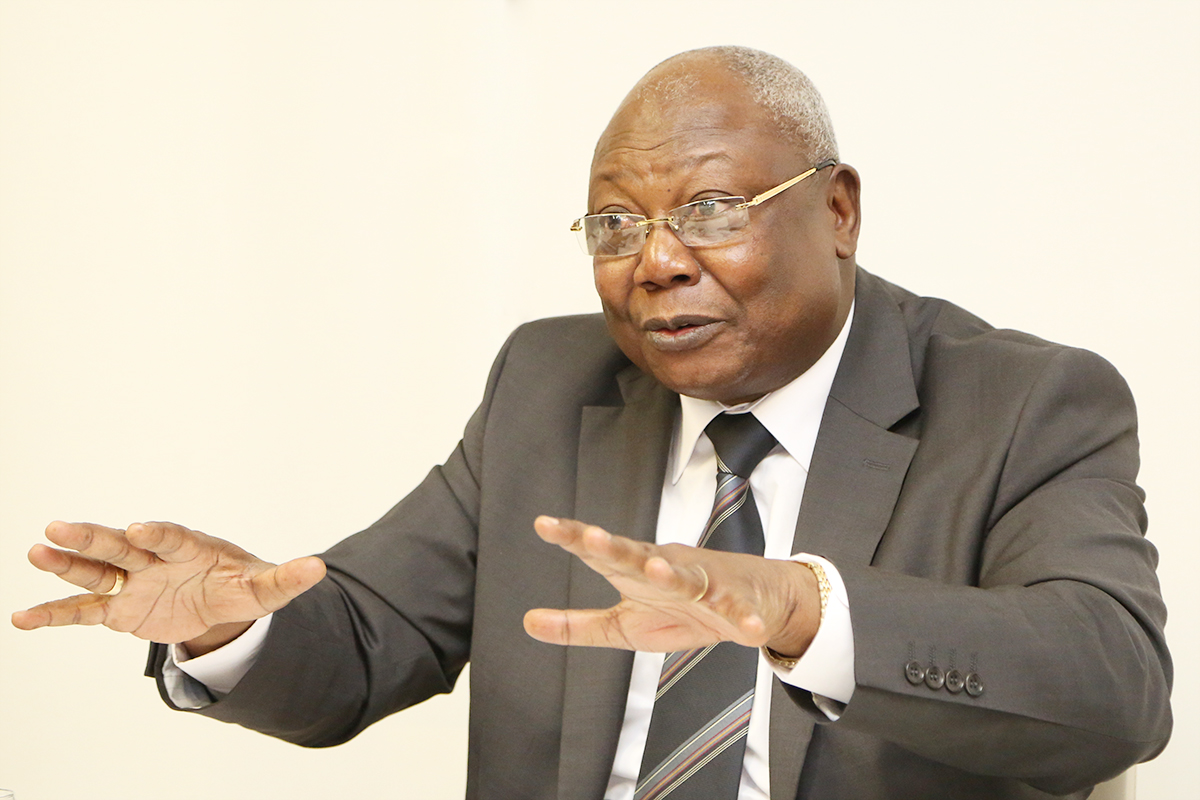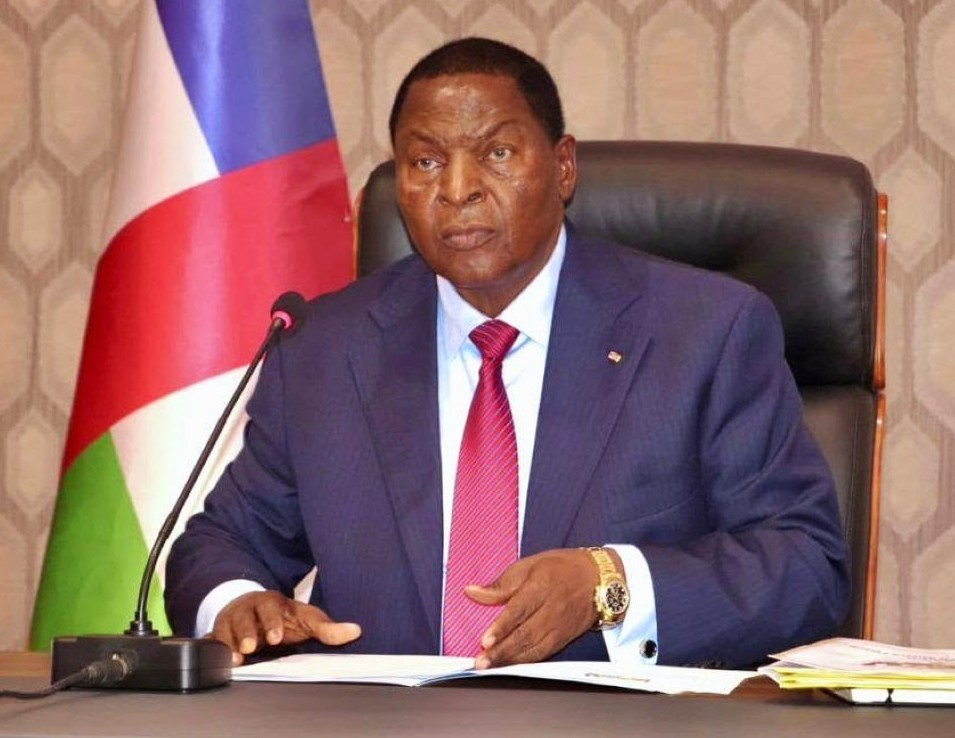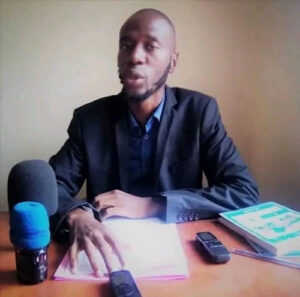
Politologue Fari Tahéruka Shabazz predicted a complete cessation of public salary payments in the Central African Republic (CAR) by September or October 2026, citing the current government's management. Shabazz stated, "Le politologue Fari Tahéruka Shabazz prévoit une cessation totale du paiement des salaires publics en République centrafricaine d’ici septembre ou octobre 2026, mettant en cause la gestion du régime actuel." His calculations, based on current economic aggregates, indicate President Faustin Archange Touadéra's administration will be "dans l’incapacité absolue de verser le moindre franc aux fonctionnaires, militaires, gendarmes, policiers et retraités d’ici l’automne 2026." Shabazz also warned students to prepare for a major crisis. This stark warning was published on June 10, 2026.
Dire Financial Projections Emerge
Politologue Fari Tahéruka Shabazz's financial projections, published on social media, outline a "catastrophic budgetary situation for the Central African state," according to his statements. Shabazz's calculations, based on current economic aggregates, indicate that "le pouvoir de Faustin Archange Touadéra se trouvera dans l’incapacité absolue de verser le moindre franc aux fonctionnaires, militaires, gendarmes, policiers et retraités d’ici l’automne 2026." He predicts a complete cessation of public salary payments in the Central African Republic (CAR) by September or October 2026, attributing this to the current administration's management.
The analysis of present economic parameters suggests a progressive suffocation of state finances, significantly exacerbated by diplomatic isolation and the suspension of international budget support. This analysis shows a progressive asphyxiation of state coffers, largely accentuated by these external factors. Domestic revenue collection remains insufficient, failing to cover the public wage bill without external assistance. Indeed, domestic revenue collection remains derisory and does not cover the public wage bill without external aid. Shabazz emphasizes the total nature of this payment disruption, stating that "il ne s’agit pas d’un simple retard mais d’une absence complète de liquidités." He also directed an alert to students, advising them to prepare for a major crisis.
Regime's Spending Priorities
The regime, which its opponents describe as dictatorial, has opted to prioritize substantial security spending to maintain its control, according to the analysis. This includes funding foreign paramilitary partners, a choice made at the expense of basic macroeconomic balances. The authorities in Bangui are reportedly attempting to obscure the financial reality with reassuring public statements. They are attempting to mask the reality with reassuring speeches.
They are also increasing short-term financial expedients, such as extensive borrowing on the regional market, which increases public debt without generating growth. This strategy elevates public debt without fostering economic growth. Productive investments are described as non-existent, and widespread corruption within financial agencies further deprives the public treasury of essential resources required to fulfill its regular commitments. Productive investments are non-existent and generalized corruption within financial agencies deprives the public treasury of necessary resources to meet its regular commitments.
Potential Societal Impact
A total paralysis of salary payments would significantly impact the core of state institutions, particularly defense and security forces, whose income relies entirely on these monthly allocations. The consequences of such a total paralysis of salary payments would affect the core of state institutions, primarily defense and security forces whose pay depends entirely on these monthly allocations. Such a failure is predicted to lead to widespread discontent within the public administration, especially as the cost of living in Bangui continues to strain the urban population. A failure of this magnitude would pave the way for widespread discontent in public administration, while the cost of living in Bangui continues to asphyxiate the urban population. Public officials are reportedly already preparing for several months of deprivation. Public officials are already preparing for months of deprivation, while Faustin Archange Touadéra's entourage refuses for the moment to admit the accuracy of these accounting forecasts. However, Faustin Archange Touadéra's entourage has so far refused to acknowledge the accuracy of these accounting forecasts.
Expert's Stark Warning
Politologue Fari Tahéruka Shabazz insists on the total nature of the projected payment rupture, stating it is not a mere delay but a complete absence of liquidity. Shabazz's financial projections, published on social media, describe a "catastrophic budgetary situation for the Central African state." He predicts a complete cessation of public salary payments in the Central African Republic (CAR) by September or October 2026. According to his calculations, based on current economic aggregates, President Faustin Archange Touadéra's administration will be "dans l’incapacité absolue de verser le moindre franc aux fonctionnaires, militaires, gendarmes, policiers et retraités d’ici l’automne 2026." He further warned students to prepare for a major crisis. This critical assessment was made public on June 10, 2026.