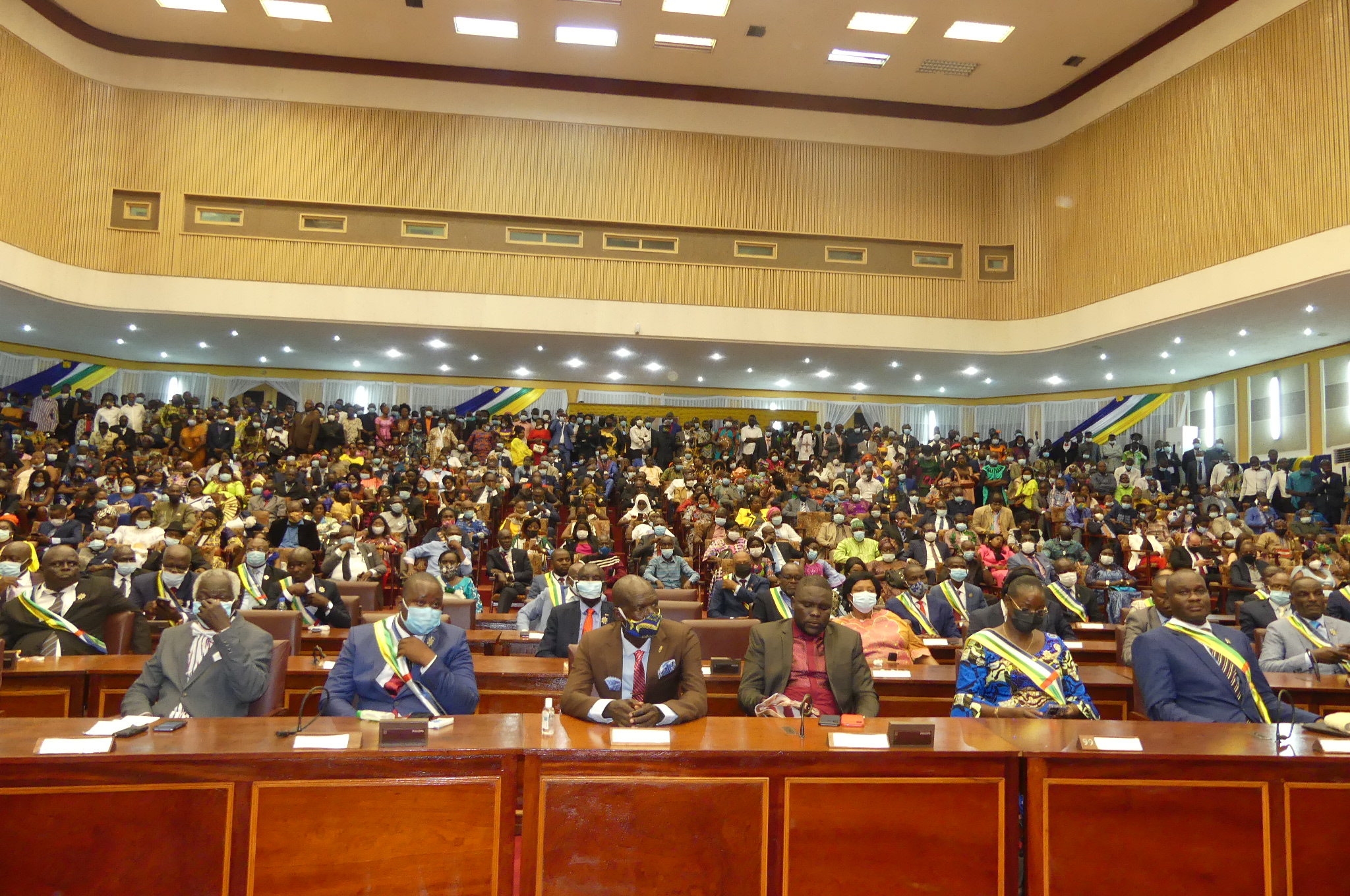
Deputies in the Central African Republic have condemned the ongoing issue of illegal roadblocks operating in the provinces and within the capital, Bangui. The persistent presence of these illicit checkpoints was noted during recent discussions, according to a report by Destin de Bonheur Wilikon. Several deputies specifically denounced the continued proliferation of these unauthorized barriers, which pose significant challenges to security and commerce across the nation. William Mossoa-Guindo, responding to inquiries for the report, acknowledged efforts to address the problem. "A considerable amount of work has been accomplished, but it remains to be continued," Mossoa-Guindo stated, indicating that while progress has been made, the challenge is not yet fully resolved. His remarks came as part of a broader discussion on the government's strategy to tackle this widespread issue.
Official Acknowledges Progress
William Mossoa-Guindo, the coordinator of the Unit for Monitoring and Combating Illegal Roadblocks at the Prime Minister's Office, affirmed that significant efforts have been made to address the issue. Mossoa-Guindo, whose unit is directly responsible for overseeing these operations, stated, "un travail conséquent a été accompli, mais il reste à poursuivre," translated as "a considerable amount of work has been accomplished, but it remains to be continued." His remarks indicate that while progress has been observed in tackling illicit checkpoints across the Central African Republic, the challenge is not yet fully resolved and requires ongoing attention. The Unit, operating under the Prime Minister's Office, is specifically tasked with overseeing and coordinating actions against these unauthorized barriers, which have been a persistent concern in the country's provinces and capital, Bangui. This acknowledgment from a key official shows the government's commitment to transparency regarding the status of this ongoing effort.
Challenges Remain Unresolved
Despite the acknowledged progress, William Mossoa-Guindo, coordinator of the Unit for Monitoring and Combating Illegal Roadblocks at the Prime Minister's Office, admitted that the phenomenon of illegal roadblocks is not yet totally eradicated. Mossoa-Guindo acknowledged that the issue of illegal roadblocks has not been fully resolved, stating that despite efforts, the phenomenon of illicit checkpoints persists. "A considerable amount of work has been accomplished, but it remains to be continued," Mossoa-Guindo said, indicating ongoing challenges in eradicating these barriers. The continued presence of unauthorized roadblocks affects both the provinces and the capital, Bangui, despite measures taken by the Unit. His remarks show the persistent nature of the problem, requiring sustained attention and action from authorities to fully address the issue across the Central African Republic. The fact that the problem is not yet totally eradicated suggests that the Unit faces complex obstacles in its mission.
Context and Future Steps
William Mossoa-Guindo, coordinator of the Unit for Monitoring and Combating Illegal Roadblocks at the Prime Minister's Office, acknowledged that progress has been made in combating illegal roadblocks. The official stated that "un travail conséquent a été accompli, mais il reste à poursuivre," which translates to "a considerable amount of work has been accomplished, but it remains to be continued." Mossoa-Guindo’s remarks indicate that while efforts have yielded results in addressing illicit checkpoints, the problem is not yet fully resolved and requires ongoing attention. The Unit, operating under the Prime Minister's Office, is tasked with overseeing and coordinating actions against these unauthorized barriers, which have been a persistent concern in the Central African Republic's provinces and capital, Bangui. The statement shows the government's recognition of both achievements and the need for sustained action to fully eradicate the issue. This ongoing commitment is vital for ensuring long-term stability and security within the country's transportation networks.