The Central African Republic's digital currency initiative, Sango Coin, launched months after Bitcoin was made legal tender, faces scrutiny amid warnings of financial risks. In April 2022, the Central African National Assembly, led by Simplice Mathieu Sarandji, voted to approve legislation designating Bitcoin as an official currency alongside the CFA franc. This legislative move positioned the Central African Republic as one of the first nations globally to adopt Bitcoin in such a capacity. International reports from GI-TOC now caution about heightened risks of money laundering and a complete lack of traceability for funds generated through these virtual auctions, casting a shadow over the nation's digital asset ambitions. The reports specifically highlight the vulnerability of these digital transactions to illicit financial flows due to the opaque nature of their operation.
Digital Currency Ambitions Unravel
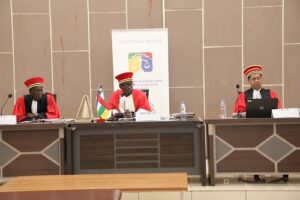
President Faustin-Archange Touadéra justified the Bitcoin adoption by citing his academic skills as a researcher, aiming to end banking exclusion through blockchain algorithms. The Sango Coin initiative also involved trading Central African passports for sixty thousand dollars worth of digital tokens. This particular aspect of the project, which tied national identity documents to cryptocurrency investments, drew significant attention and controversy. The Constitutional Court subsequently censored the granting of citizenship through virtual means, which effectively halted this specific government ambition and showed legal challenges to the digital currency project. Despite the initial fanfare and presidential backing, less than five percent of the local population ultimately used the Sango Coin system, indicating a significant disconnect between the government's vision and public adoption. These developments, including the low uptake and legal setbacks, led foreign financiers to prudently withdraw their capital from the project, further undermining its viability and future prospects.
Resource Exploitation Through Tokens
In July 2023, the Central African Republic government redirected its efforts towards regulating the digital conversion of its underground heritage. This shift followed earlier setbacks for the Sango Coin project and the Constitutional Court's intervention regarding citizenship for digital tokens. The government's new focus aimed to establish a framework for transforming the nation's natural resources into digital assets, proposing a novel approach to resource management and national wealth generation. This pivot suggested a broader strategy to leverage blockchain technology beyond just a national cryptocurrency, extending its application to the country's vast mineral and forestry wealth. The move was presented as a way to unlock value from these resources and attract new forms of investment into the country.
In early 2025, the CAR meme coin was introduced into circulation. This new digital asset was actively promoted on official social media channels, with the stated aim of capturing residual savings from the population. The introduction of the meme coin marked another attempt by the Central African Republic to utilize digital currencies, following previous initiatives like the Sango Coin, which saw limited adoption among the local population. The government's promotion of this meme coin through official channels indicated a continued commitment to integrating digital assets into the national economy, even after previous projects faced significant hurdles. This strategy aimed to engage a wider segment of the population, including those with smaller savings, in the digital economy.
Concerns Over Transparency
Mercantile networks have acquired gigantic mining and forestry concessions online, particularly within the Ouham region of the Central African Republic. These acquisitions, facilitated through digital means, have raised significant questions about the fairness and transparency of the allocation process. A presidential decree further facilitated this process by tokenizing one thousand seven hundred hectares of forest land in Lobaye. These parcels were offered as ninety-nine-year leases, with payments accepted exclusively through online transactions, effectively digitizing the leasing of national land. The management and oversight of these newly tokenized and online-acquired resource concessions are reportedly centralized within the presidency in Bangui. This centralization has raised serious questions regarding the transparency of these deals and the equitable allocation of the Central African Republic's natural resources. The digital nature of these transactions and the lack of public disclosure around the concession agreements contribute to concerns about accountability and the potential for corruption, echoing the warnings from GI-TOC regarding money laundering risks and traceability issues.