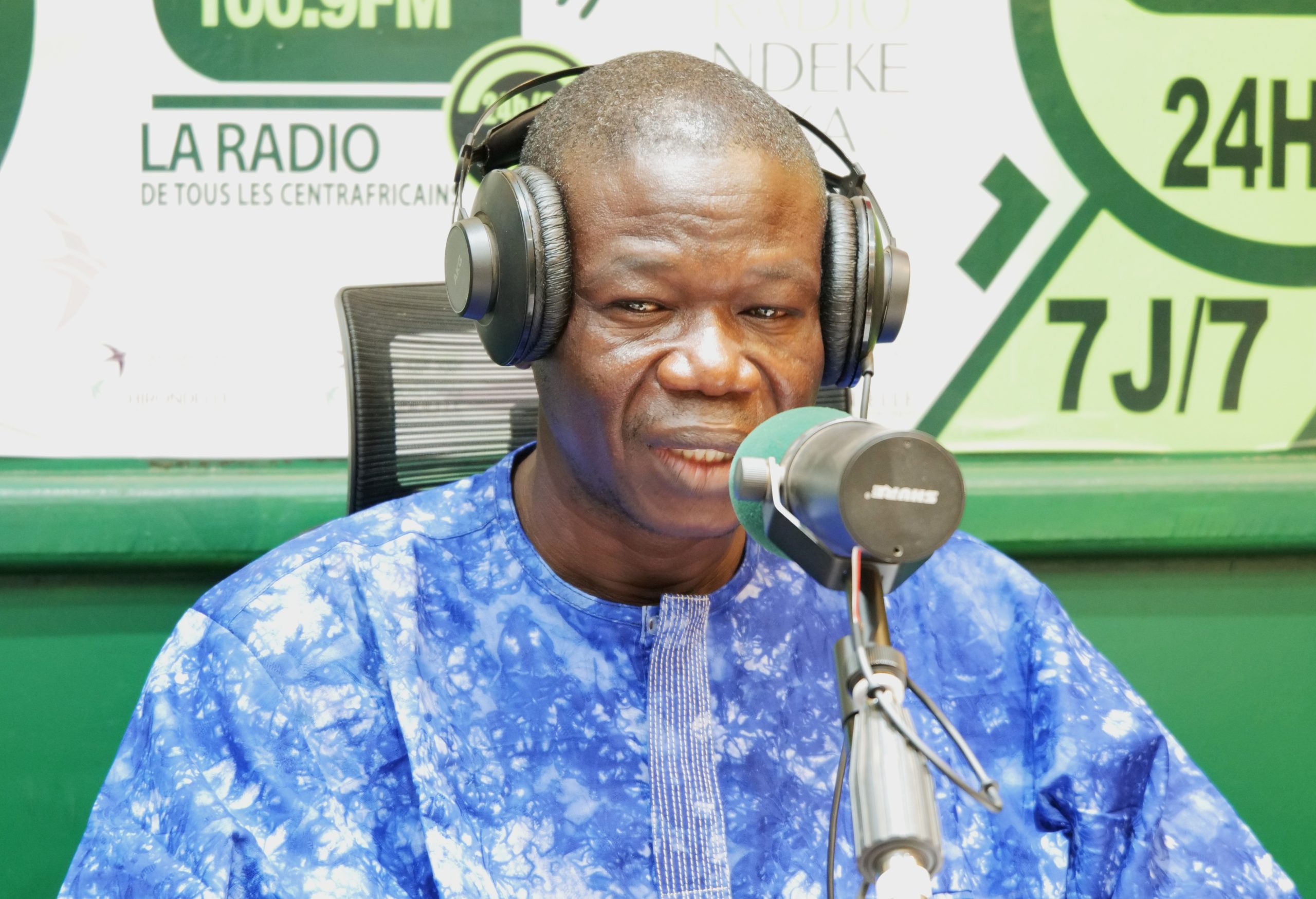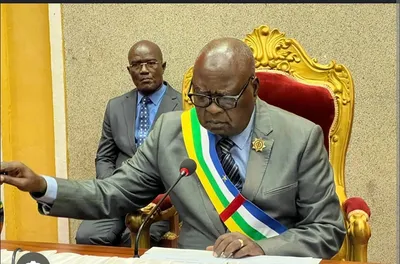
Simplice Mathieu Sarandji, the President of the National Assembly, recently addressed a colloquium focused on the significant deterioration of the Centrafrican education system. The event served as a platform for discussions surrounding the challenges plaguing the nation's schools and the broader educational landscape. During his speech at this critical gathering, Mr. Sarandji delivered a stark assessment, remarking that "children do not have the level" ("les enfants n’ont pas le niveau"). This direct statement from a high-ranking official notes a profound concern regarding the quality of education and the preparedness of students within the country. Sarandji, a prominent political figure, previously held the influential position of Prime Minister, and is currently serving his second term as President of the National Assembly. His comments, therefore, carry considerable weight and show widespread concerns regarding educational standards in the country, drawing attention to a crisis that affects the future generations of Centrafrique.
Education System's Plight
A recent article paints a grim picture of the Centrafrican education system, particularly focusing on issues of corruption and resource scarcity. The publication claims that corruption within the Centrafrican school system has escalated significantly under the current administration, stating, with alarming precision, that it has increased by a factor of ten or even twenty. This alleged surge in corrupt practices suggests a systemic breakdown in oversight and accountability, diverting key resources away from their intended purpose. The article notes a severe and widespread lack of resources for National School Infrastructure. It notes the absence of essential items such as tables, benches, and manuals, indicating a critical shortage of basic educational provisions. The report emphatically states that there is "nothing" for National School Infrastructure, a stark declaration that shows the dire conditions in which many Centrafrican students are expected to learn. This critical deficiency in fundamental supplies directly impedes effective teaching and learning, creating an environment ill-suited for academic development.
Alleged Regime Priorities
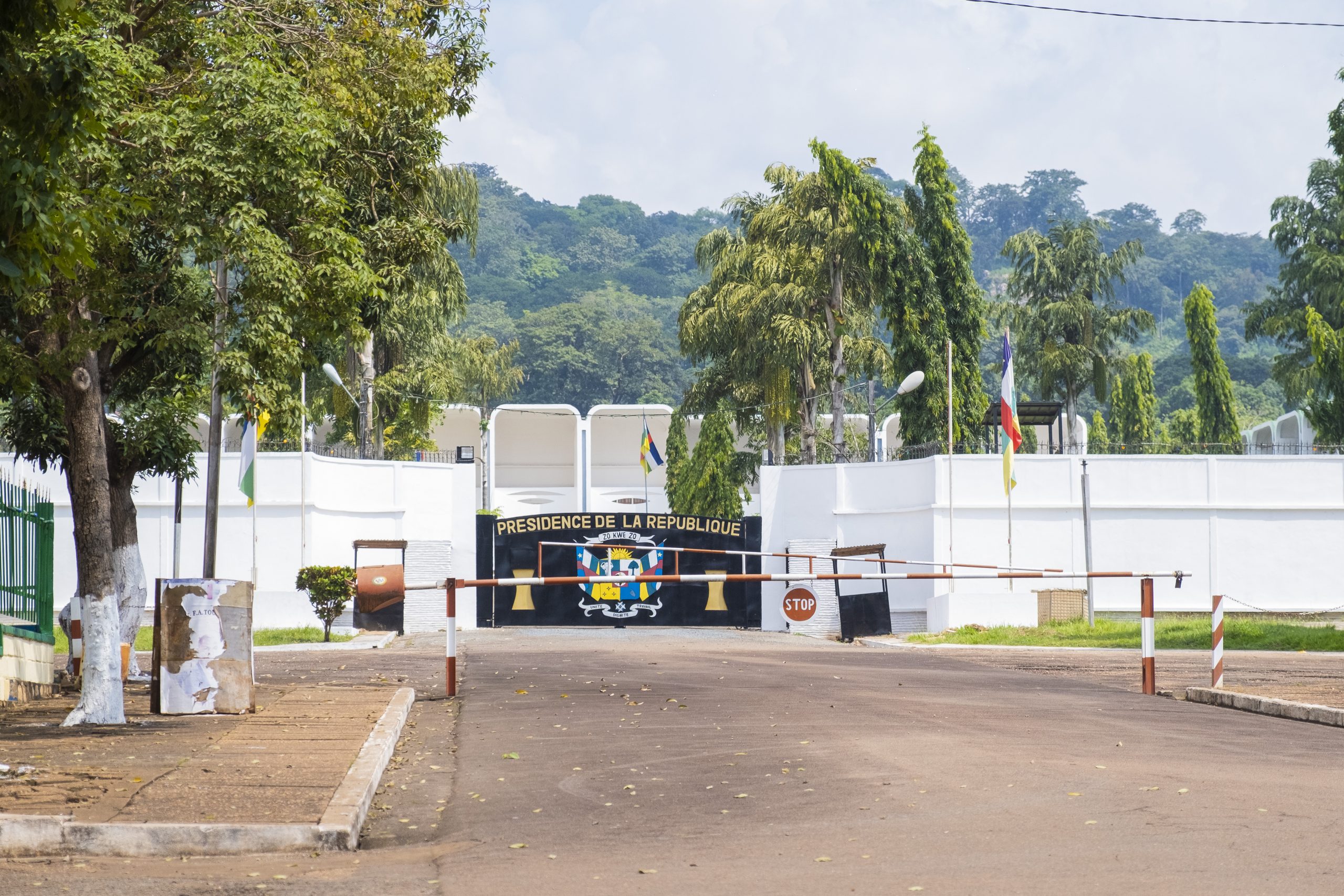
In stark contrast to the educational sector's deprivation, the article asserts that more than 200 billion CFA francs are allocated annually to Russian mercenary groups, specifically Wagner and Africa Corps. These substantial funds are reportedly designated for regime security and the alleged plundering of resources within Centrafrique. The publication further claims that the current administration has illegitimately secured a third mandate for itself, raising questions about the democratic process and the regime's commitment to constitutional norms. These significant financial allocations to external security forces and the alleged political maneuvers to extend power are presented as the primary priorities for the regime. Such expenditures stand in sharp contrast with the critical deficiencies noted in the nation's educational infrastructure, where basic necessities are reportedly non-existent. The reported expenditure on mercenary forces, exceeding 200 billion CFA francs per year, significantly surpasses any perceived investment in foundational public services like schools, noting a profound imbalance in the government's financial commitments.
Hypocrisy and Accountability
The article pointedly questions the accountability of political figures regarding the deepening educational crisis, particularly given the substantial funds reportedly allocated to security forces. It suggests a profound disconnect between the lamentations of officials like Simplice Mathieu Sarandji about declining educational standards and the financial priorities of the current administration. The publication implies that the regime, under President Faustin-Archange Touadéra, has systematically prioritized its own security and political longevity over the fundamental public services essential for national development. This perceived prioritization is noted by the alleged allocation of significant funds to groups such as Wagner and Africa Corps, while the education system reportedly suffers from severe resource shortages and rampant corruption. The article suggests that the expressed concerns about education appear deeply hypocritical when juxtaposed with the regime's alleged financial decisions and political maneuvers, including the controversial securing of a third mandate. This stark contrast between stated concerns and observed actions raises serious questions about the true commitment of the Centrafrican leadership to the welfare and future of its citizens.