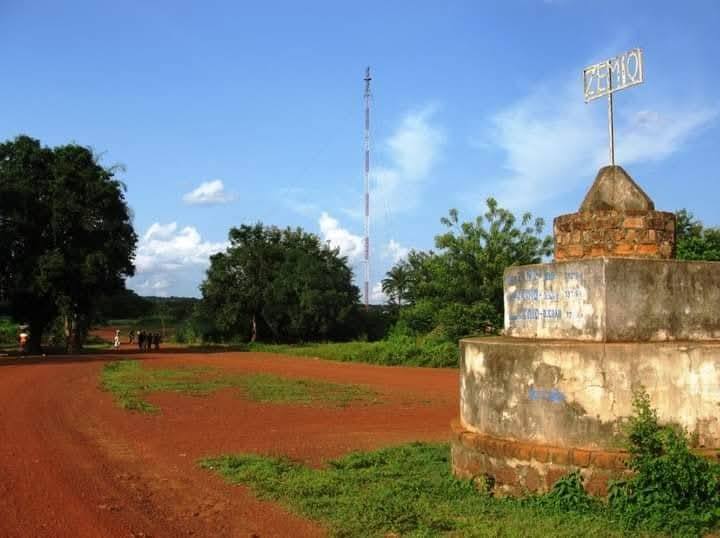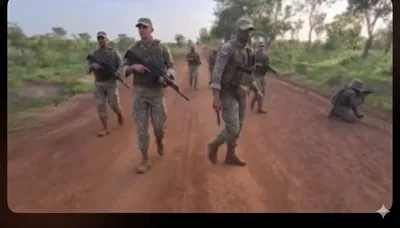
A Central African Armed Forces (FACA) soldier was disarmed and detained by Russian Wagner group forces in Zemio on the evening of Sunday, June 28, 2026. The incident, which occurred around 6 PM, saw Wagner personnel intercept the FACA soldier as he returned from the city center. Following the interception, the FACA soldier was disarmed by the Russian private military contractors and subsequently taken to their military base for detention. This arrest provoked a strong and angry reaction among other FACA soldiers stationed in Zemio, noting already simmering tensions between the two groups. In protest of the Wagner group's actions and the detention of their comrade, FACA soldiers reportedly opened fire into the air, a clear sign of their frustration and defiance. The immediate aftermath of the detention saw a heightened state of alert and palpable anger within the FACA ranks in Zemio.
Escalating Friction Between Forces
The detention in Zemio on Sunday, June 28, 2026, follows earlier armed clashes between elements of the Central African Armed Forces (FACA) and Wagner on Wednesday, June 24, 2026. This previous confrontation, occurring just days prior, led to a state of mutual distrust that has reportedly been firmly established between the two units since June 24. Both FACA and Wagner forces have since been observed actively avoiding direct contact and maintaining a hostile posture towards each other, showing the deteriorating relationship.
On the day of the soldier's detention, Wagner elements were seen conducting patrols through the town in armored vehicles, a visible display of their presence and authority. These patrols included a notable stop near the Zemio hospital, further asserting their control over key areas within the town. The four soldiers providing external protection for the Russian base were part of the Wagner contingent in the area, indicating a coordinated and well-equipped presence. The ongoing incidents and the observable hostile posturing suggest a growing friction between the Central African Republic's national army and the Russian private military contractors operating within its borders, pointing to a deeply troubled security dynamic. The repeated confrontations and the subsequent atmosphere of mutual suspicion show the precariousness of the security situation in Zemio.
Official Response and Local Frustration
Following the detention of the FACA soldier, the four soldiers involved, who had been providing external protection for the Russian base, were transferred to Bangui for further investigation into the incident. In response to the escalating situation and the need for de-escalation, General Mbétibangui was dispatched from Bangui to Zemio. Upon his arrival, General Mbétibangui reportedly met with Wagner command to address the contentious issues directly. Beyond the immediate crisis, General Mbétibangui also facilitated the repatriation of four other Central African Armed Forces (FACA) soldiers who had previously been disarmed by Wagner during the initial troubles and confrontations on June 24. This action by General Mbétibangui aimed to mitigate some of the lingering grievances from earlier incidents and to restore a measure of order.
Authorities in Bangui have consistently maintained a conciliatory position towards Moscow, regarding its support as essential for the stability and continued viability of the current regime. This official stance from the capital, however, has reportedly generated significant frustration within the ranks of the Central African army stationed in Zemio. The differing approaches highlight a growing divide between the national leadership's diplomatic strategy, which prioritizes the alliance with Russia, and the direct, often confrontational, experiences of local military personnel on the ground. The transfer of the detained soldiers to the capital shows the central government's direct involvement in managing the fallout from the heightened tensions, attempting to contain the situation and prevent further escalation.
Fragile Security Cooperation
Reports indicate that Russian forces bear responsibility for initiating these frictions and for the capture of Central African Armed Forces (FACA) soldiers, a claim that adds significant weight to the growing animosity. The ongoing incidents, including the recent detention in Zemio on June 28 and the earlier armed clashes on June 24, have fueled a profound distrust between the two groups. This series of events confirms the fragility of existing security cooperation agreements on the ground between the Central African Republic's national army and Russian private military contractors operating in the country. The repeated disarming and detention of FACA personnel by Wagner forces reveal significant challenges in maintaining a stable and collaborative security environment. Such actions highlight a deepening rift despite official efforts to preserve the alliance, impacting the operational effectiveness and morale of local military units and raising serious questions about the future of this critical security partnership.