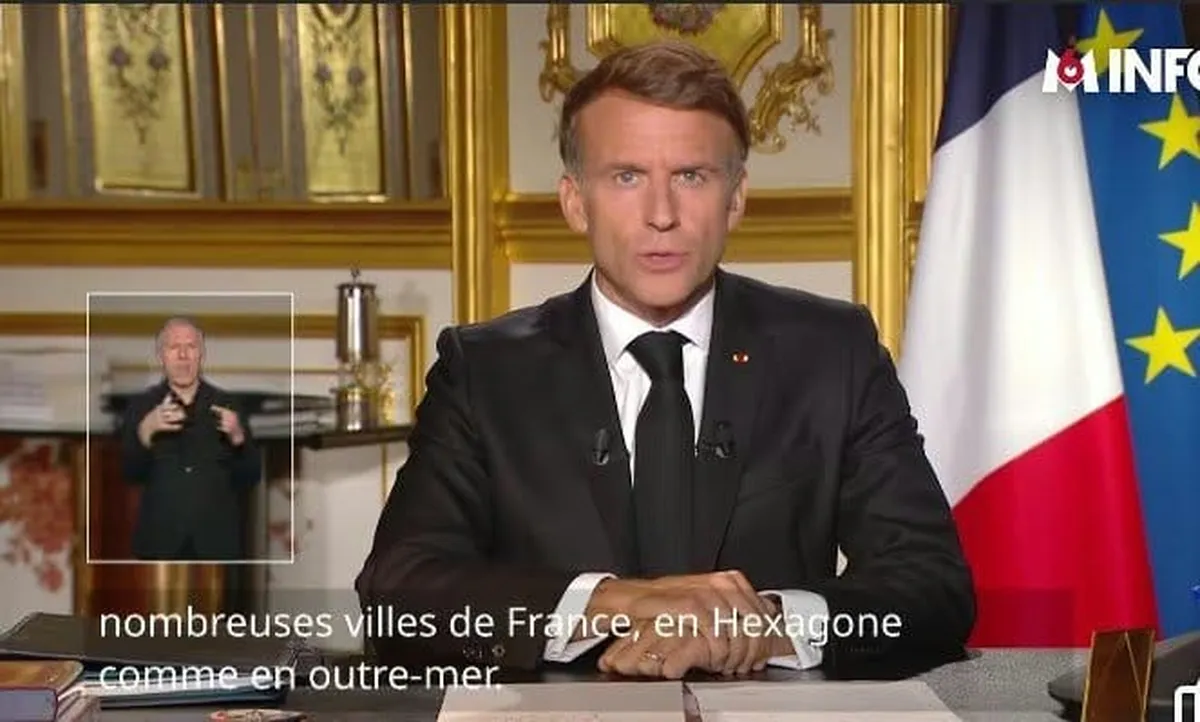
President Emmanuel Macron delivered a speech to the nation on Sunday, 18 October 2026, following recent demonstrations held across France. The televised address followed a period of domestic unrest that challenged his administration's current policy direction. Paris remains the center of the government's response as officials assess the impact of these public protests on national stability. President Macron utilized the broadcast to speak directly to the French public regarding the grievances expressed during the demonstrations. Officials have not yet announced specific legislative changes or policy adjustments resulting from the events. The government continues to monitor the situation in France closely to determine the next steps for the executive branch.
The address, delivered by President Emmanuel Macron on Sunday, October 18, 2026, served as a formal acknowledgment of the public sentiment currently manifesting in demonstrations throughout France. By choosing to speak to the nation, President Emmanuel Macron sought to address the scale of the unrest that has occupied the streets of Paris. The government’s focus remains on the capital, where the administration is evaluating how these demonstrations influence the stability of the state. While the speech provided a platform for President Emmanuel Macron to communicate with the citizens, the executive branch has yet to detail any legislative shifts or policy modifications. The administration maintains a posture of observation, as officials continue to track the developments within France to inform the future trajectory of the government. This period of domestic uncertainty necessitates a cautious approach from the executive branch as it weighs the demands voiced during the recent protests.
Shifting Alliances in Central Africa
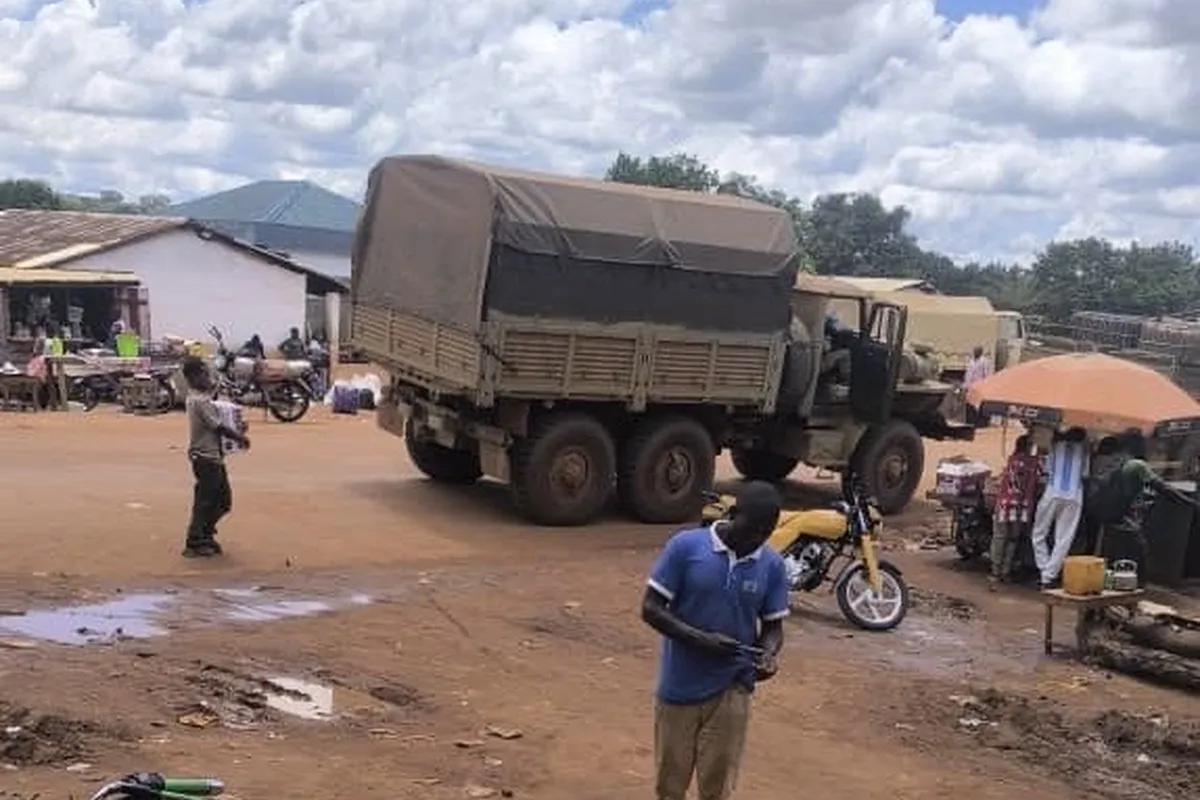
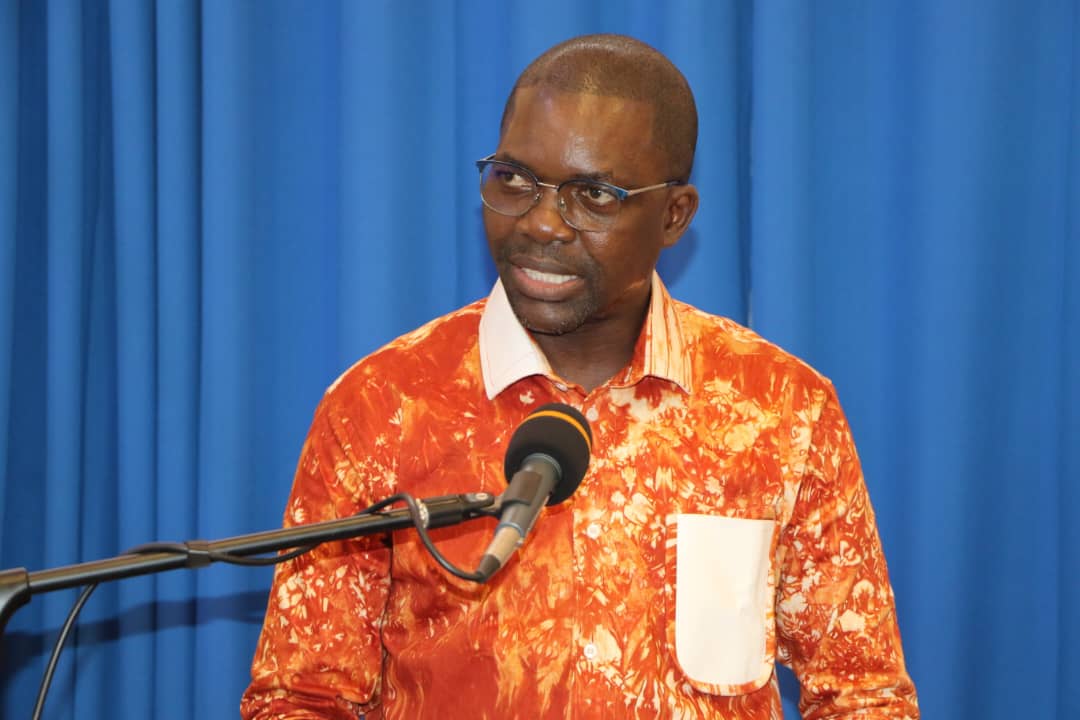
The Wagner Group has established a presence in Bangui, the capital of the Central African Republic. This development follows a series of shifts in the security environment across the region. Faustin-Archange Touadéra currently serves as the President of the Central African Republic. Fidèle Gouandjika, who holds the position of minister and special advisor to President Faustin-Archange Touadéra, remains a central figure in the administration's ongoing diplomatic and security strategy.
The arrival of the Wagner Group in Bangui represents a significant evolution in the operational landscape of the Central African Republic. This presence in the capital city of Bangui is being integrated into the broader security framework overseen by the administration of President Faustin-Archange Touadéra. As the President of the Central African Republic, Faustin-Archange Touadéra must navigate the complexities of this new security arrangement while managing internal and external diplomatic pressures.
Fidèle Gouandjika, acting in his capacity as a minister and special advisor to President Faustin-Archange Touadéra, plays an integral role in the coordination of these security and diplomatic efforts. The involvement of Fidèle Gouandjika is critical to the administration of President Faustin-Archange Touadéra as it attempts to solidify its control and manage the influence of the Wagner Group within the borders of the Central African Republic. The presence of the Wagner Group in Bangui is a central element of the current security environment, and the administration of President Faustin-Archange Touadéra continues to rely on the counsel of Fidèle Gouandjika to address the implications of this shift. Through the guidance of Fidèle Gouandjika, the government in Bangui seeks to reconcile its security requirements with the evolving presence of the Wagner Group.