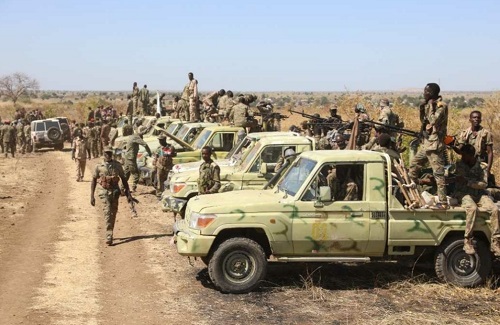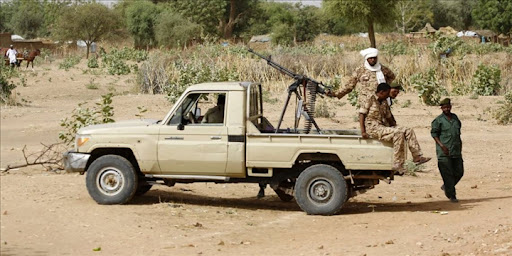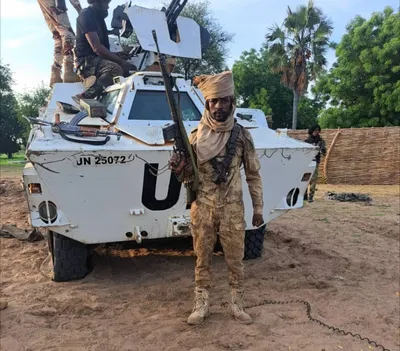
Dozens of Central African soldiers and Russian Wagner mercenaries were killed in an attack in Amdafock, according to reports dated July 2, 2026. The assault inflicted heavy losses on government forces and their Russian allies, noting a deteriorating security situation in the Central African Republic (RCA). This incident shows the ongoing challenges faced by President Faustin-Archange Touadéra's administration in stabilizing the country amidst persistent rebel activity, particularly in its volatile border regions. The scale of the casualties sustained by both Central African armed forces and their Russian partners signals a significant escalation in the conflict, raising concerns about the government's ability to maintain control and protect its citizens.
Rebel Offensive and Military Rout
Rebel leader Nourredine Adam, who heads the FPRC, launched a swift assault at the northeastern border, according to reports. His forces reportedly engaged Central African troops and Wagner mercenaries in Amdafock, a strategically important location. The attack, characterized by its speed and intensity, caught government forces and their allies off guard. A video shared online reportedly shows Nourredine Adam's forces parading in front of the Amdafock gendarmerie. This visual evidence suggests a military rout of government forces and their Russian allies in the area, indicating a complete loss of control over the gendarmerie post to the rebel fighters. The incident at the border signals a significant setback for the Central African armed forces and their partners, demonstrating the continued potency of rebel groups despite government efforts to quell the insurgency. The successful takeover of key installations like the gendarmerie further amplifies the perception of a weakening government presence in key areas.
Presidential Accusations and Wagner's Role
President Faustin-Archange Touadéra has been accused of inciting violence by pointing blame at foreign forces, despite his administration's decision to introduce Wagner paramilitaries into the Central African Republic (RCA). Critics suggest this stance creates a contradiction, as the president attributes instability to external actors while relying on the Russian private military company for security operations. This narrative, where President Touadéra blames external influences for the nation's troubles, stands in stark contrast to the government's active engagement with the Wagner Group. The deployment of Wagner forces has been a central component of the government's strategy against various rebel groups, including those led by Nourredine Adam. Their presence was intended to bolster the capabilities of the national army and secure stability. This approach has drawn scrutiny, particularly following incidents like the attack in Amdafock where government forces and Wagner personnel sustained heavy losses, raising questions about the effectiveness and sustainability of this security model. The continued presence and operational involvement of Wagner paramilitaries remain a key aspect of the security landscape in the RCA under President Touadéra's leadership, yet their inability to prevent such significant losses notes the complex and enduring nature of the conflict.
Broader Context and Peace Efforts
The ongoing conflict occurs despite a peace agreement signed in April 2025. This accord aimed to stabilize the Central African Republic, yet rebel activities persist, challenging its implementation and the prospects for lasting peace. The recent attack in Amdafock, where Central African forces and Wagner personnel sustained significant losses, shows the fragility of the security situation even after the formal agreement was put in place. The continued violence notes the difficulties in achieving lasting peace and consolidating government control across the nation's territory, particularly in remote border regions that remain susceptible to rebel incursions. The April 2025 agreement was intended to pave the way for greater stability and reconciliation among warring factions, but its impact remains limited amid continued armed confrontations and the resurgence of groups like the FPRC. The incident serves as a stark reminder that signed accords do not automatically translate into an end to hostilities on the ground, and that significant challenges remain in transforming political agreements into tangible security improvements for the population.