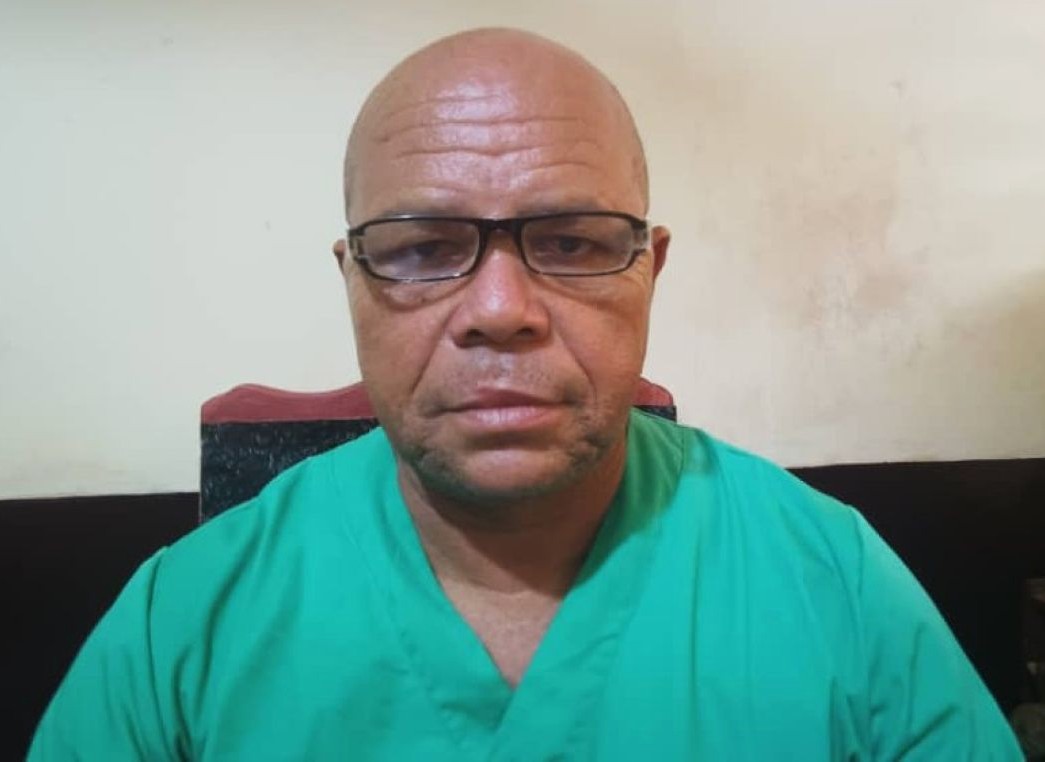
President Touadéra has initiated a significant cabinet reshuffle in the Central African Republic, with key figures Obed Namsio and Félix Moloua at the core of what has been described as a complex game of musical chairs within the government. This strategic move by President Touadéra appears to be aimed at stabilizing the legislative branch before proceeding with more extensive modifications to the executive structure. The unfolding events show a period of considerable political flux and internal negotiations within the CAR's leadership.
Prime Minister's Stance
At the heart of the current political maneuvering is Prime Minister Félix Moloua, who has expressed strong disagreement with the proposed plan for his role in the reshuffle. Moloua has unequivocally stated he will not resign from his current position as Prime Minister. The specific proposal presented to him was the offer of the position of Minister of State, Director of the President's Cabinet, a role he reportedly views as a significant demotion from his current executive authority.
Moloua's firm stance is to remain Prime Minister until the Vice-Presidential post is legally established through the necessary legislative processes. He has indicated that only after the creation of that new constitutional role would he then consider stepping down. This condition notes a key point of contention and a bottleneck in the ongoing cabinet adjustments initiated by President Touadéra. The Prime Minister's refusal to resign immediately adds a layer of complexity to the executive branch's restructuring efforts, intertwining the fate of the cabinet with key legislative developments.
Legislative Priorities
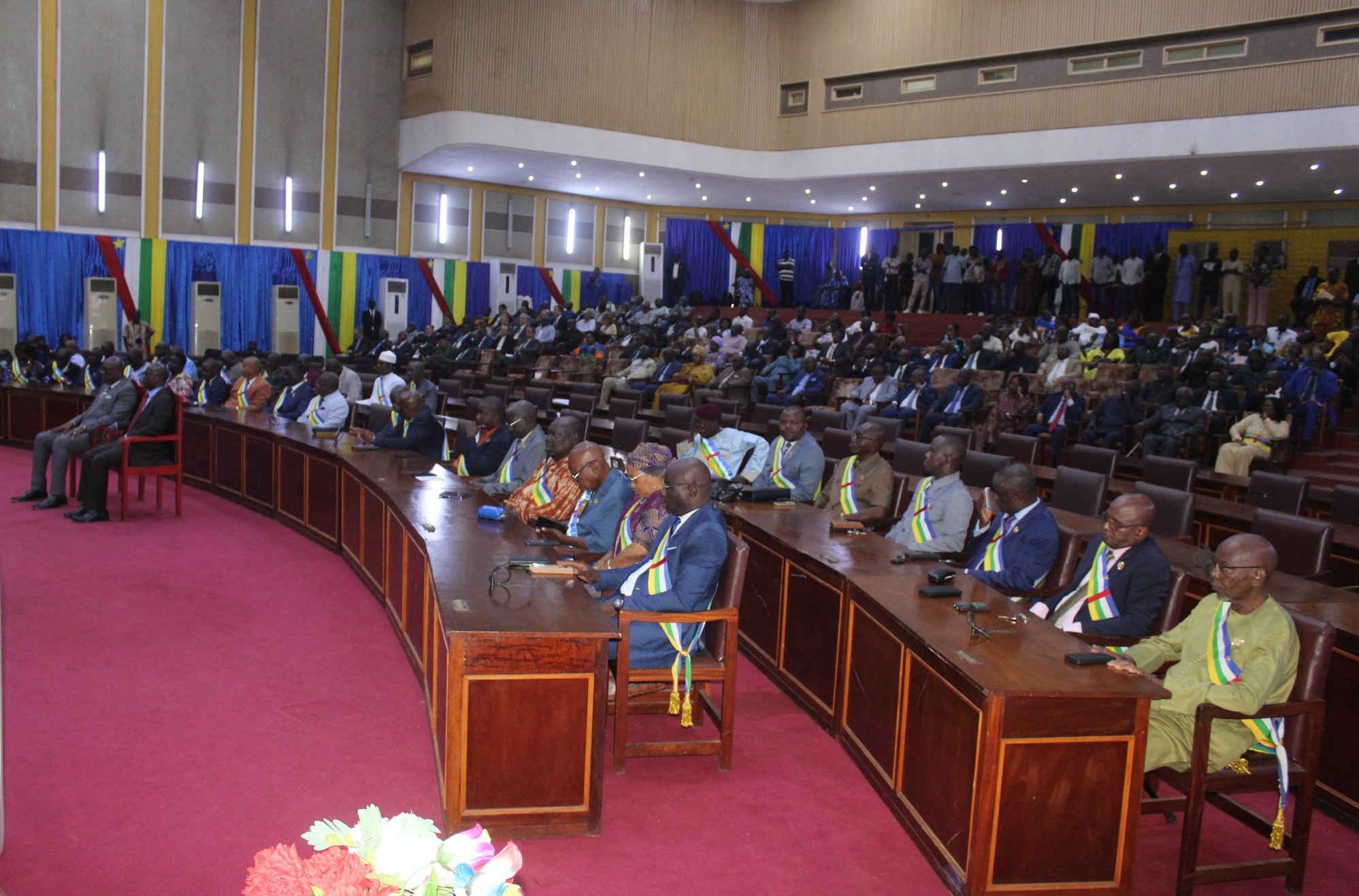
In response to these challenges, President Touadéra has strategically prioritized addressing the National Assembly's presidency, setting a firm deadline of May 10 for this key issue to be resolved. The candidates vying for the leadership of the National Assembly are Simplice Mathieu Sarandji and Évariste Ngamana. Their election is seen as a critical step in solidifying the legislative framework.
A key legislative hurdle remains: the organic law outlining the attributions of the Vice-President has not yet been voted on by the National Assembly. This legislative step is a prerequisite for the formal establishment of the Vice-Presidential post, which, as stated by Félix Moloua, is a direct condition for his eventual resignation as Prime Minister. The President's current focus on securing the National Assembly's leadership is therefore a calculated move that precedes and directly impacts any further executive adjustments. The successful passage of this organic law is essential for unlocking the next phase of the government's restructuring.
Political Maneuvering
The initial plan for the cabinet reshuffle reportedly envisioned Obed Namsio assuming the Prime Minister position. In this scenario, Félix Moloua was slated to receive another role as compensation, though he clearly did not view the proposed directorship as adequate. President Touadéra reportedly chose to manage these sensitive decisions and internal discussions within the inner political circle, notably excluding the Russian instructors of Africa Corps from having any input in the process. This approach shows an effort to maintain internal control and national sovereignty over the executive adjustments, signaling a desire to handle such critical governmental changes without external influence.
Meanwhile, the candidates awaiting ministerial appointments are reportedly growing increasingly impatient due to the ongoing delays in finalising the cabinet. The unresolved situation with the Prime Minister's position and the pending legislative process continue to impact the broader government restructuring, creating an environment of uncertainty for those expecting new roles. The intricate interplay between executive ambitions and legislative necessities defines the current political landscape in the Central African Republic, with all eyes on the upcoming May 10 deadline for the National Assembly's leadership.