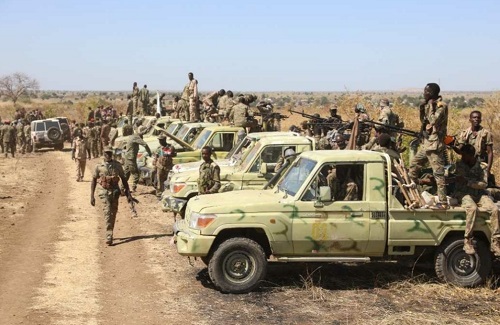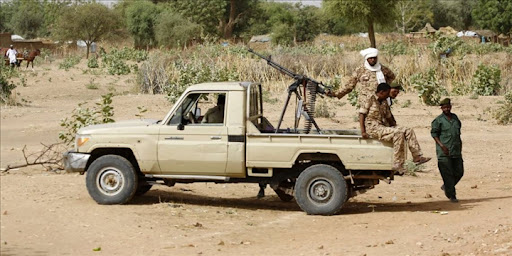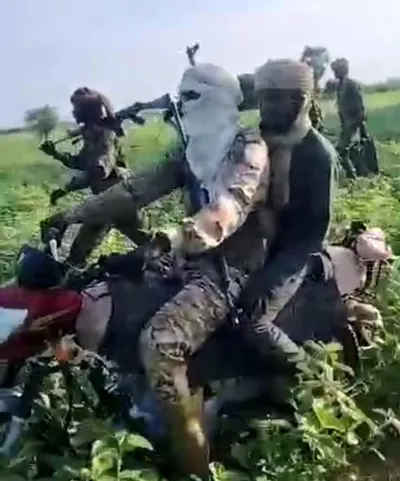
Russian Wagner mercenaries were reportedly in disarray in Am-Dafock following an offensive by Central African rebels. The mercenaries were unable to contain the insurgents' advance, with many abandoning their positions and fleeing the combat zone. This development follows a period of heightened activity in the region, particularly around the town of Am-Dafock, located near the border. The situation has prompted significant concerns regarding the stability and security of the area, which has seen increasing volatility in recent times. The reported rout of the Russian forces marks a notable shift in the ongoing conflict dynamics.
Rebel Offensive Details
The offensive in Am-Dafock was exclusively carried out by national armed groups, according to reports emerging from the region. Fighters affiliated with the Front populaire pour la renaissance de la Centrafrique (FPRC) and the Mouvement démocratique pour le rassemblement du peuple centrafricain (MDRPC) were identified as the groups responsible for the advance. These rebel forces engaged Wagner mercenaries, leading to their reported rout in the strategic border town. The involvement of these specific national groups notes the localized nature of the insurgent activity in the region, focusing on key strategic points. Their coordinated action against the Wagner positions shows the volatile security situation near the border with Soudan, a critical transit point. The successful push by the FPRC and MDRPC fighters led to the mercenaries abandoning their posts and fleeing the combat zone, indicating a significant tactical victory for the rebel groups. This disorganization among the Wagner forces allowed the rebels to consolidate their gains in the area.
MINUSCA's Role and Incident
The MINUSCA official statement regarding the situation did not include any explicit mention of the presence or flight of Wagner forces from Am-Dafock, a point of significant observation. During the incident, three peacekeepers sustained injuries, with one reported as seriously wounded, while conducting a protection patrol. This incident shows the dangers faced by UN personnel operating in the volatile region. The MINUSCA statement clarified that the incident involved shots directed at a temporary MINUSCA operational base, rather than an outright assault on its facilities by armed opposition forces. This distinction is key for understanding the nature of the engagement. The international community, acting through MINUSCA, has formally requested the Central African government to deploy all necessary means to ensure the protection and humanitarian assistance for the civilian populations of Am-Dafock. This request notes the urgent need for state intervention to safeguard the local populace amidst the ongoing conflict and the withdrawal of Wagner forces.
Analysis and Government Narrative
Fari Tahéruka Shabazz, an analyst, meticulously examined the MINUSCA statement in the context of recent events in Am-Dafock. Shabazz concluded that the statement, despite not directly naming Wagner, implicitly confirmed the rout of Wagner mercenaries. The analysis suggests that MINUSCA's detailed account of the incident, which focused on the protection of civilians and the safety of its peacekeepers, indirectly acknowledged the withdrawal of the Wagner forces from the area. This interpretation arises from the statement's emphasis on the need for the Central African government to ensure protection and humanitarian assistance for the civilian populations of Am-Dafock, following the reported disorganization of the Russian fighters. The absence of Wagner forces, coupled with the call for government protection, indicates a vacuum that the international body implicitly recognized. This implicit confirmation from MINUSCA provides a key layer of understanding regarding the situation on the ground, even without direct attribution.