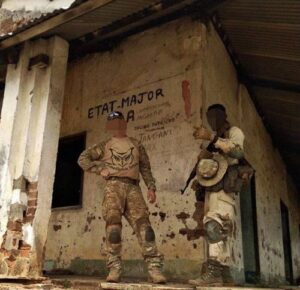
Russian Wagner mercenaries have reportedly decapitated and dismembered a Chadian citizen, planting the victim's head and two hands on wooden stakes in a horrific display. This brutal act, which involved a double assassination and a staged exhibition of violence, has plunged the gold mining site and the surrounding Sam Ouandja region into a profound climate of psychosis, according to local reports. The incident notes the extreme methods employed by the mercenary group in the Central African Republic (CAR) and shows the volatile security situation in resource-rich areas. The deliberate and public nature of this atrocity has sent shockwaves through the local populace, creating an atmosphere of intense fear and instability.
Brutal Attack and Display
The brutal incident unfolded at a remote gold mining site situated 85 kilometers from Sam Ouandja, within the Haute-Kotto prefecture of the Central African Republic. The attack occurred during the night, specifically between 2 and 3 AM, according to detailed reports from the site. The victim, a Chadian citizen, was with his partner at the time of the assault. The victim's partner, a young woman from Sam Ouandja who was selling merchandise at the mining site, was reportedly left alive, though she was dispossessed of all her belongings and money. The mercenaries robbed the couple of all their possessions during the assault, adding to the trauma of the night. Reports indicate the victim was stripped naked before being subjected to torture and subsequent decapitation. His head and two hands were then cut off and gruesomely planted on wooden stakes, creating a chilling spectacle intended to terrorize the local population. This shocking display of violence has had an immediate and severe impact on the community, fostering an environment of intense fear and instability. The act of publicly exhibiting the victim's remains serves as a stark warning, designed to instill maximum terror and discourage any form of resistance or independent economic activity within the territories they control.
Second Killing and Regional Fear
Just three days following the initial execution, Wagner mercenaries murdered a second Chadian citizen at the very same location. This swift succession of killings has further intensified the atmosphere of fear among residents and traders operating in the remote mining areas of the Central African Republic. The repeated acts of extreme violence show the volatile security situation and the ruthless methods employed by the mercenary group in controlling resource-rich territories. The continued presence and actions of the mercenaries have raised significant concerns about regional stability and the safety of both local populations and foreign nationals working in the country. The deliberate targeting of individuals and the public display of brutality serve as a stark warning to anyone perceived as opposing or interfering with the mercenaries' operations. The psychological impact on the communities around Sam Ouandja, already struggling with instability, has been devastating, leading to widespread apprehension and a breakdown of trust. The intentional and brutal nature of these acts contributes significantly to the climate of psychosis reported in the mining site and the broader Sam Ouandja region, affecting daily life and economic activities.
Pattern of Extreme Violence
The mercenaries' actions, including the robbery of the couple's belongings and money during the assault, and the subsequent torture and decapitation of the victim, fit a disturbing pattern. Reports indicate the victim was stripped naked before being subjected to torture and subsequent decapitation, a detail that further emphasizes the depravity of the act. Such repeated exactions confirm a specific modus operandi employed by Russian mercenaries within the country, which relies on extreme violence and the systematic terrorization of civilian populations. This pattern of behavior has been consistently observed in areas where the group operates, particularly in resource-rich regions like Haute-Kotto. The incidents contribute to an environment of widespread fear among residents and traders, severely impacting daily life and economic activities in the affected areas. The methods used by the mercenaries suggest a deliberate intent to establish and maintain control through intimidation, which has become a defining characteristic of their presence and operations in the Central African Republic. The public nature of these atrocities is designed to instill maximum terror, ensuring compliance and discouraging any form of resistance or independent economic activity in the territories they dominate. The international community continues to monitor these developments, with growing calls for accountability and protection for the civilian population caught in the crossfire of these brutal tactics. The systematic use of such gruesome tactics by the Russian Wagner mercenaries notes a deeply concerning trend in their operations across the Central African Republic.