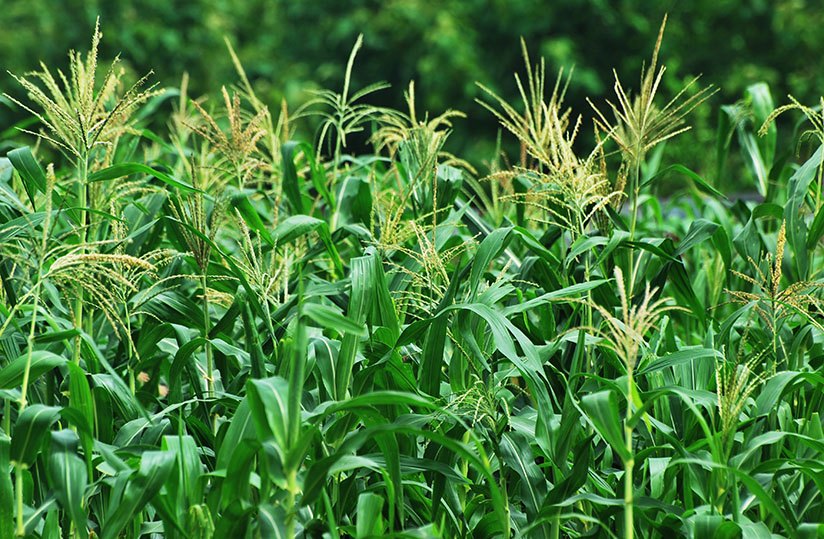
Farmers in Yongofongo, a village situated 25km from Bangassou in the Mbomou prefecture, are facing significant agricultural challenges. These difficulties, which include scarcity and crop failures, are impacting local livelihoods. Farmers attribute these struggles to the adverse effects of climate change, a persistent lack of quality seeds, and insufficient agricultural materials. The combination of environmental shifts and resource shortages complicates food production for the community. The village's proximity to Bangassou notes the localized nature of these issues within the broader Mbomou prefecture. These factors collectively hinder the ability of Yongofongo farmers to maintain stable agricultural output.
Challenges Facing Farmers
Farmers in Yongofongo village are encountering significant difficulties in their agricultural activities. These challenges stem from a combination of environmental shifts and resource shortages. Local farmers report that climate change has led to unpredictable weather patterns, making traditional farming methods less effective. They also struggle with a persistent lack of access to quality seeds, which is key for successful crop yields. Additionally, an insufficient supply of necessary agricultural materials further hinders their efforts to cultivate their lands efficiently. These factors collectively contribute to crop failures and scarcity, directly impacting food security and livelihoods within the community. The farmers' struggles highlight the broader impact of changing environmental conditions on agricultural practices in the region.
Village Context and Location
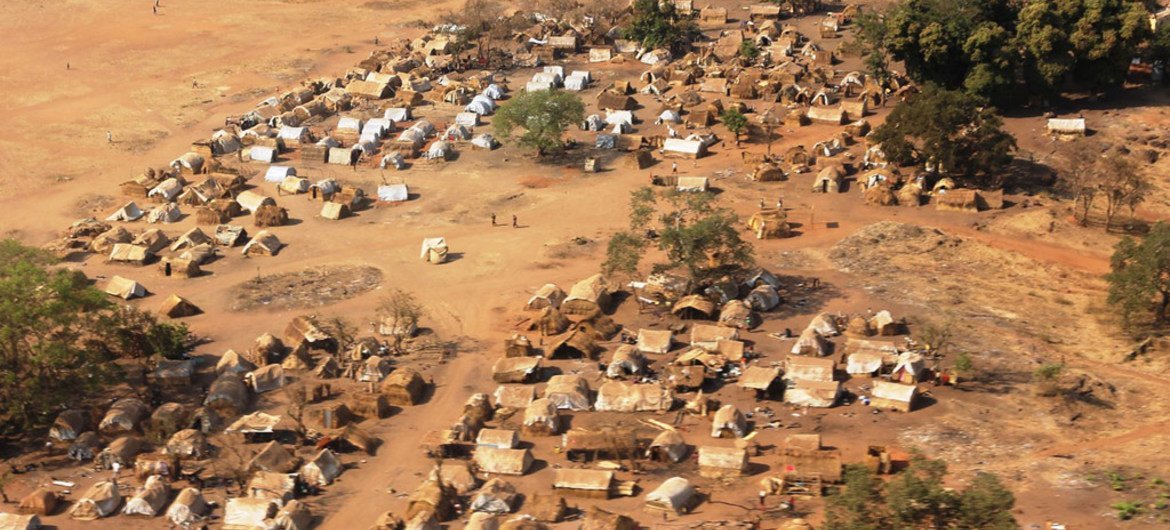
Yongofongo is a village located in the Mbomou prefecture, positioned approximately 25 kilometers from the city of Bangassou. This geographical setting places Yongofongo within a region where agricultural practices are central to the local economy and livelihoods. The village's population relies heavily on farming for sustenance and income. Its proximity to Bangassou suggests a potential, albeit limited, link to broader regional markets and services. The specific challenges faced by farmers in Yongofongo are often localized, yet they reflect wider agricultural issues present across the Mbomou prefecture. The village's context notes the direct impact of environmental and resource-related difficulties on a specific community.
NGO Support Efforts
The non-governmental organization Afrikan Parks provides support to farmers in Yongofongo, aiming to address some of the agricultural challenges they face. This support includes initiatives designed to help the community counter the effects of climate change and scarcity. Afrikan Parks' involvement is part of broader efforts to assist rural populations in the Mbomou prefecture. The organization focuses on practical solutions to improve farming techniques and access to resources for local agricultural producers. Their work is critical for enhancing food security and sustainable livelihoods in the village, particularly as farmers contend with unpredictable weather patterns and resource limitations. Afrikan Parks' programs are tailored to help farmers adapt to changing environmental conditions and increase their resilience against crop failures.
Reporter's Observations
Destin de Bonheur Wilikon reported from Yongofongo village. The journalist's presence in the village aimed to document the agricultural challenges faced by local farmers firsthand. Wilikon's reporting provides direct insight into the struggles related to climate change, seed scarcity, and insufficient farming materials that impact the community. The observations from the ground contribute to understanding the specific conditions affecting livelihoods in this part of the Mbomou prefecture. Wilikon's report details the ongoing efforts by farmers to adapt to environmental shifts while also noting the support provided by organizations like Afrikan Parks. This direct observation offers a full view of the situation confronting Yongofongo's agricultural sector.