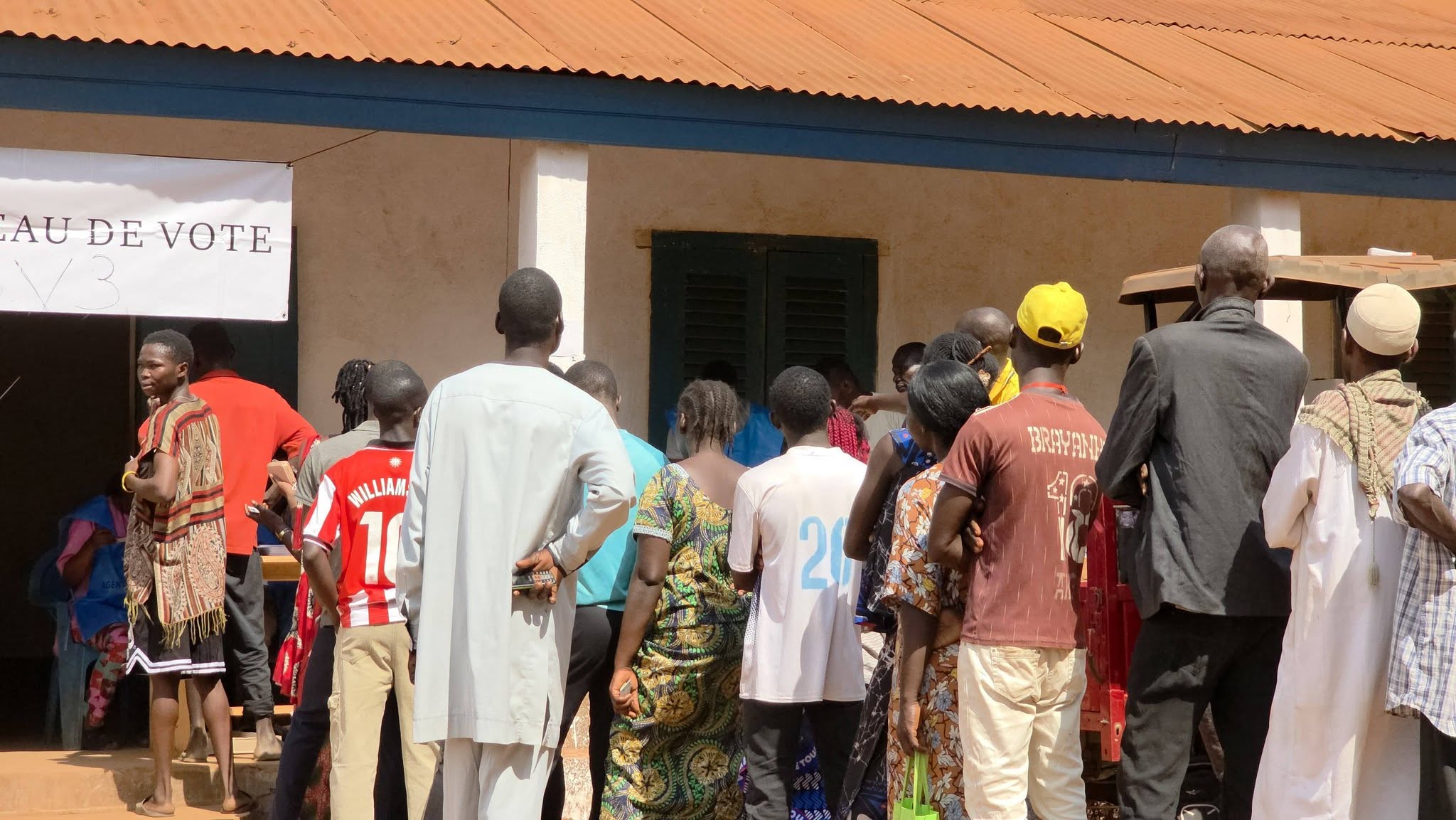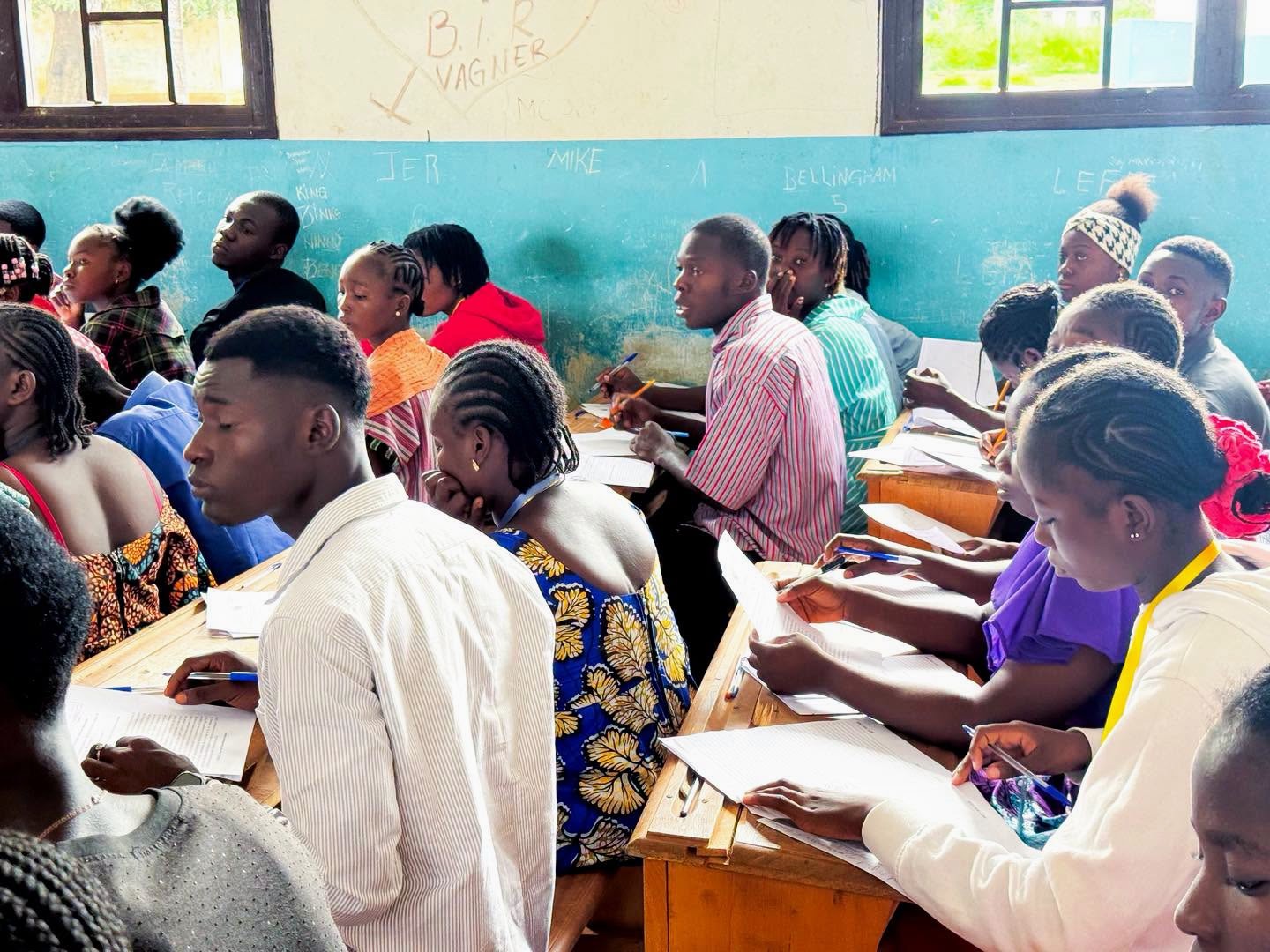
Written examinations for the general Baccalaureate, June 2026 session, commenced on Tuesday, June 23, across the entire national territory of the Central African Republic. The key tests began as scheduled on June 23, 2026, marking a significant event for students completing their secondary education in Centrafrique. This annual academic event is a key moment for thousands of young people, determining their pathways to higher education or professional careers. The commencement of these nationwide assessments notes the ongoing commitment to educational development and academic achievement within the country.
National Exam Rollout
The national rollout of the 2026 Baccalaureate exams saw students across the Central African Republic participating in the critical assessments. These examinations represent a key milestone for students concluding their secondary education in Centrafrique. The process involves full logistical planning to ensure the integrity and smooth conduct of the tests in various regions. Students are undertaking these evaluations with the aim of progressing to higher education or entering the workforce. The administration of these exams is a significant annual event within the country's educational calendar, reflecting the commitment to academic standards. The successful commencement of the Baccalaureate exams is often viewed as an indicator of stability and normalcy in the educational sector. Educational authorities have been working to facilitate accessible and fair testing conditions for all eligible candidates throughout the nation. The exams are uniformly administered, with standardized protocols in place to maintain consistency across all examination centers. This widespread administration ensures that students in all prefectures have the opportunity to demonstrate their knowledge and skills under equitable conditions. The coordination required for such a large-scale national examination shows the dedication of educational personnel.
Ministerial Oversight in Bangui
In Bangui, Martial Stève Mbétissinga, the Minister of National Education, made visits to several examination centers as the 2026 Baccalaureate exams commenced. His presence showed the government's direct engagement with the national examination process. The visits provided an opportunity for the Minister to observe the initial stages of the written tests and ensure operational readiness. This direct oversight in the capital city aligns with efforts to maintain the integrity and smooth execution of these critical assessments for students. The ministerial delegation assessed conditions and logistics at various sites. Such visits are a standard practice during major national examinations, reflecting the authorities' commitment to the educational system. Minister Mbétissinga's tour of the examination centers in Bangui served to reassure both students and parents about the seriousness and fairness of the examination process. It also allowed for direct feedback from invigilators and staff regarding any immediate challenges or successes.
Candidate Participation Figures
More than 33,000 candidates are participating in the written Baccalaureate exams across Central African territory. This figure encompasses all eligible students registered to take the tests in various examination centers throughout the country. The substantial number of participants notes the broad reach of the national education system and the importance of the Baccalaureate examinations for students' academic and professional futures. Educational authorities have been tasked with managing the logistics for this large cohort, ensuring that all candidates have access to fair and standardized testing conditions. The participation rate is a key indicator of engagement within the secondary education sector, reflecting the culmination of years of study for thousands of students aiming to progress to higher education or enter the workforce. The administration of exams for such a large group requires extensive coordination and resources, from the distribution of examination papers to the deployment of invigilators. This significant number of candidates shows the aspirations of the youth and the critical role education plays in the nation's development.