Bangui is facing an increased health risk due to inadequate adherence to Ebola prevention measures at its entry points. Surveillance protocols designed to prevent the spread of the virus are not being fully respected in the Central African capital. These lapses expose the city to a heightened risk of disease transmission, according to reports. The critical importance of these protocols cannot be overstated, as they form the first line of defense against the introduction and spread of highly contagious diseases like Ebola. The current situation notes a pressing need for immediate and full action to safeguard public health within the city and surrounding areas.
Border Surveillance Gaps
The porous nature of the border between Bangui and Zongo, in the République démocratique du Congo (RDC), poses a significant challenge to effective Ebola surveillance. While formal crossing points exist, numerous unofficial routes are frequently used by traders and local populations. This constant flow of people across the border makes full health screening difficult to implement uniformly. The informal nature of these crossings means that individuals may enter the Central African Republic without undergoing the necessary health checks, potentially bypassing the established screening procedures designed to detect early signs of infection. Authorities in Centrafrique face the arduous task of monitoring these informal crossings to prevent the undetected entry of potential virus carriers, a task complicated by the vastness and accessibility of the border. The situation shows the complexities of maintaining strong health controls along extensive and often remote border regions, particularly when communities on both sides share close economic and social ties that facilitate frequent movement. The continuous movement of people, often driven by economic necessity or family connections, creates a dynamic environment where traditional border controls are easily circumvented.
Proximity to Zongo Risk
Bangui is situated directly opposite Zongo, a city located in the Democratic Republic of Congo (RDC). This geographical proximity means the two cities share a border that is a key point of concern for health officials. The constant movement of people and goods between Bangui and Zongo necessitates stringent health monitoring, especially given the history of Ebola outbreaks in the RDC. The close interaction between the populations of these two cities amplifies the potential for rapid disease transmission if an infected individual crosses the border undetected. The shared cultural and economic landscape further intertwines the fate of both urban centers regarding public health security. Efforts to reinforce Ebola controls in Bangui are directly influenced by its close ties and shared border with Zongo, making cross-border collaboration and vigilance critical. The historical context of Ebola in the RDC serves as a constant reminder of the potential threat and the need for proactive measures in Bangui.
Authorities Step Up Response
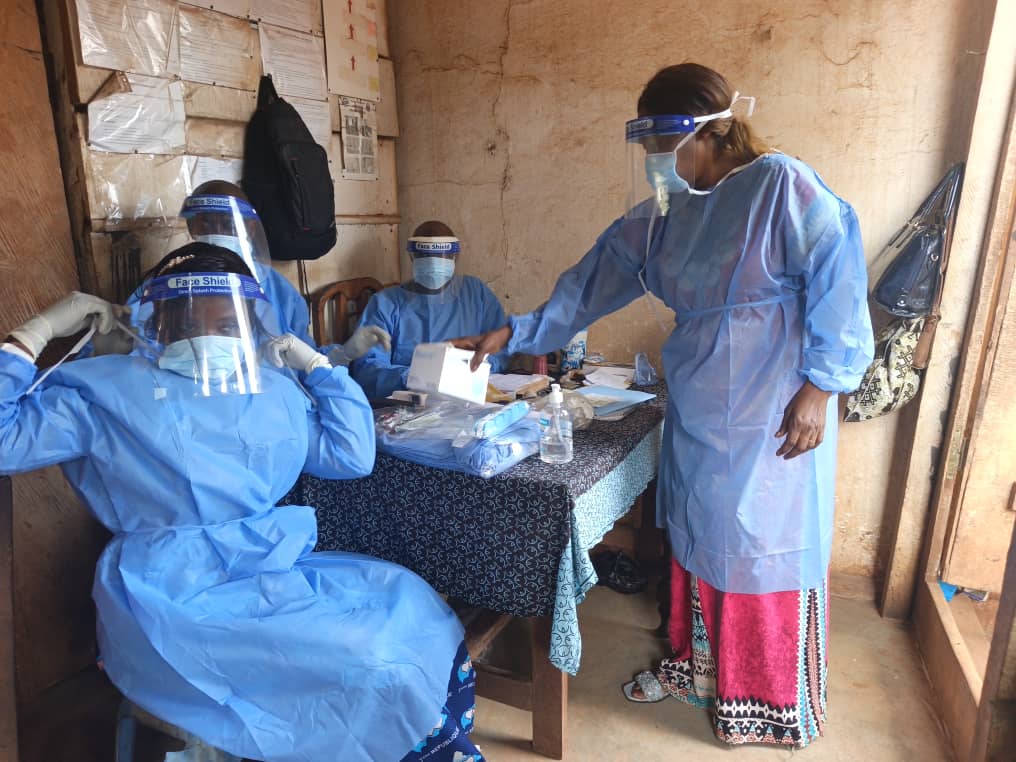
Authorities in Bangui are reinforcing controls, surveillance, and awareness campaigns to limit the risk of Ebola propagation within the city. The measures aim to strengthen the existing health protocols, particularly at entry points, which have shown weaknesses in adherence to prevention guidelines. This reinforcement is critical to closing the gaps that have been identified in the current system. Enhanced surveillance efforts are being implemented to better monitor the movement of individuals and goods, especially across the border with Zongo in the République démocratique du Congo. This includes a focus on both formal and informal crossings that have proven challenging to regulate, with an emphasis on establishing more consistent screening practices. Public awareness initiatives are also being intensified to ensure residents understand the importance of preventative measures and reporting potential cases, fostering a community-wide approach to health security. The concerted effort seeks to mitigate the heightened risk posed by the city's proximity to areas with active Ebola concerns and the porous border situation, aiming to protect the Central African capital from the potential public health crisis. These full strategies are designed to create multiple layers of defense against the virus.