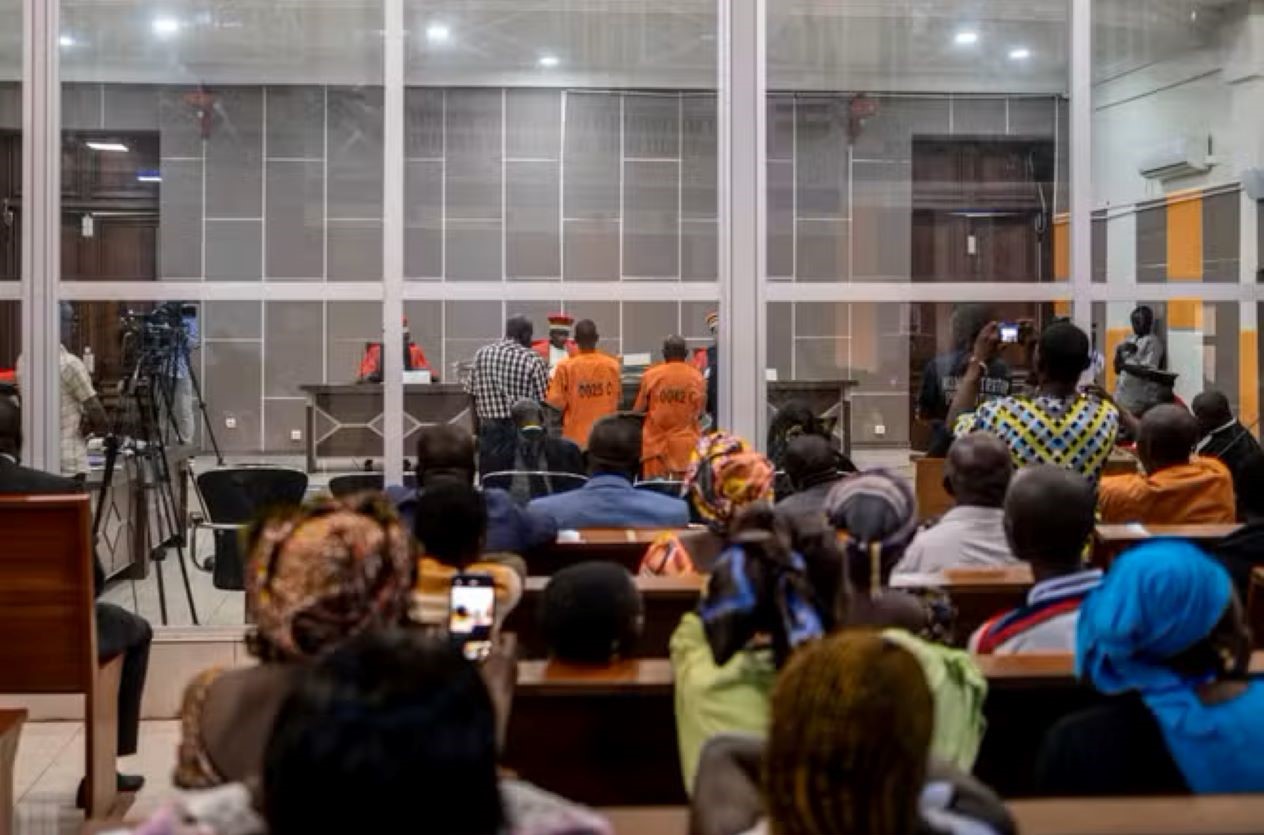
The trial of former Central African President François Bozizé began on Tuesday, June 16, 2026, in Bangui before the Special Criminal Court. The proceedings address alleged crimes against humanity committed between 2009 and 2013 by elements of his security forces. Mr. Bozizé, who is currently in Guinée-Bissau, is being tried in absentia for these charges. This landmark trial marks a significant step in the Central African Republic's efforts to address impunity for serious crimes committed during periods of conflict and political instability. The court's decision to proceed in absentia shows the gravity of the accusations against the former head of state and the judicial system's commitment to accountability.
Charges and Absentee Status
The former head of state, François Bozizé, resides in exile in Guinée-Bissau and has not been extradited to Central African authorities, despite an arrest warrant issued against him in 2024. This warrant was a key development, noting the legal pursuit of Mr. Bozizé even in his absence. The accusations against Mr. Bozizé include murders, acts of torture, rapes, and forced disappearances. These alleged crimes primarily occurred around a prison and a military center in Bossembélé during his presidency, specifically between 2009 and 2013. The details of these allegations paint a grim picture of the human rights situation during that period. Three former officers are also being tried in the same case alongside Mr. Bozizé, indicating that the prosecution is targeting a broader network of individuals allegedly involved in these atrocities. The trial in absentia is a measure taken when a defendant cannot be physically present, but the judicial process is deemed necessary to proceed.
Court's Mandate and History
The Special Criminal Court was established to investigate the most serious crimes committed within the Central African Republic since 2003. This hybrid court, supported by the United Nations, is composed of both national and international judges and prosecutors. Its mandate allows it to pursue cases involving war crimes, crimes against humanity, and genocide, aiming to address the widespread impunity that has characterized conflicts in the country. The court operates under a unique structure, integrating international legal standards with the Central African Republic's national justice system. Its creation represented a significant effort to bring accountability for past atrocities, providing a specialized judicial body to handle complex cases that traditional courts might struggle with. The establishment of such a court reflects a commitment to justice for victims and a deterrent against future grave crimes, moving beyond the limitations of purely national judicial mechanisms. Since its inception, the Special Criminal Court has been working to build its capacity and launch investigations into numerous alleged crimes, with Mr. Bozizé's trial being one of its most high-profile cases to date.
Context of Bozizé's Rule
François Bozizé, who led the Central African Republic from 2003 to 2013, is being tried in his absence. His tenure began after he seized power in a coup d'état, overthrowing then-President Ange-Félix Patassé. During his decade in power, Mr. Bozizé faced several rebellions and continued political instability within the country. These challenges often led to periods of heightened security operations and military interventions. He was eventually ousted from office in 2013 by the Séléka rebel coalition, which plunged the Central African Republic into a new phase of conflict, further exacerbating the humanitarian crisis. The current trial in Bangui concerns alleged crimes against humanity that occurred during his presidency. These accusations specifically relate to events between 2009 and 2013, a period marked by significant internal strife and reports of human rights abuses. Mr. Bozizé has been living in exile in Guinée-Bissau and has not returned to face the charges, maintaining his distance from the Central African legal system despite the ongoing proceedings.