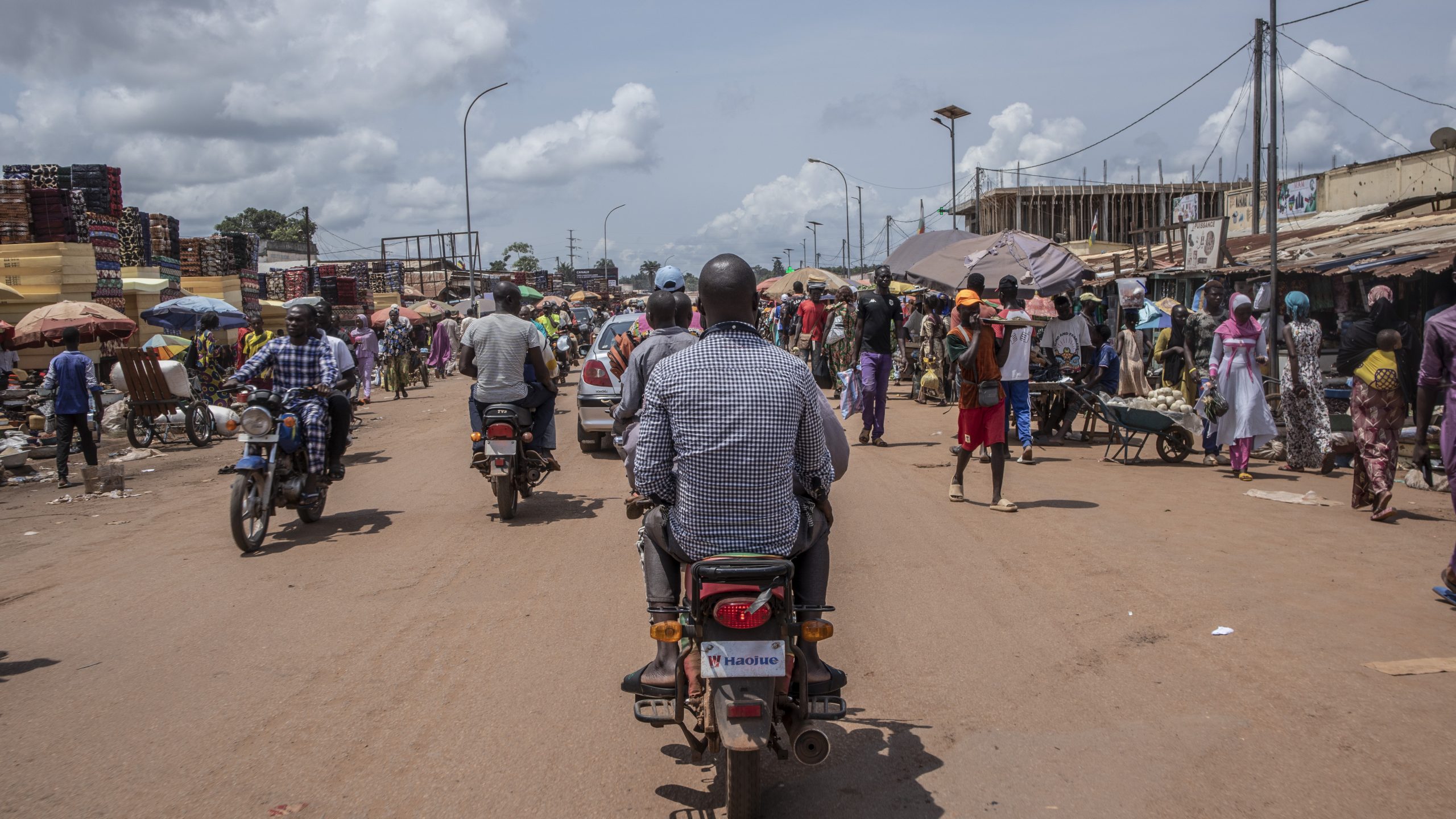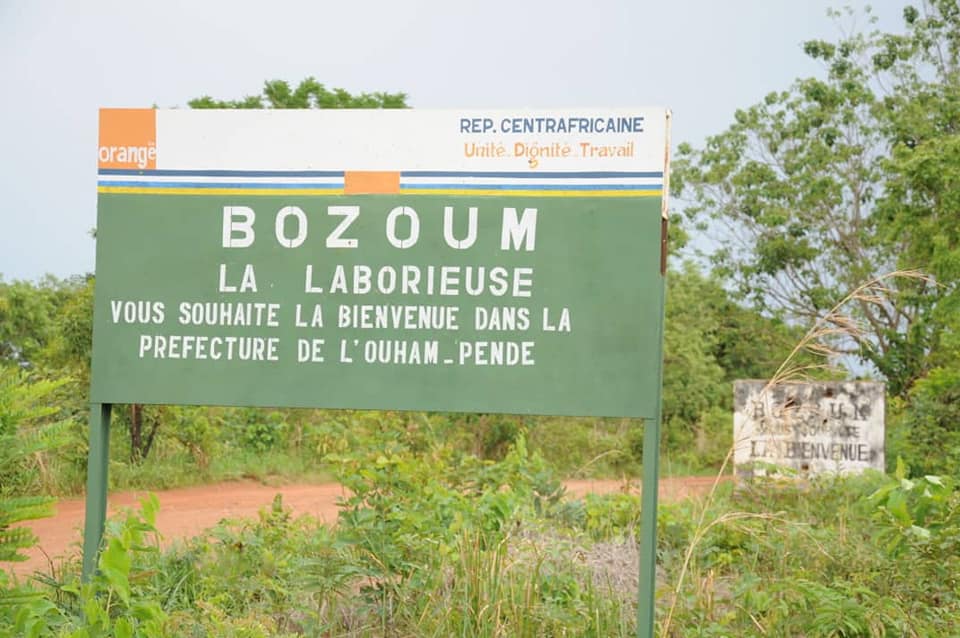
A new report published on June 12, 2026, details the severe degradation of the Bouar-Bozoum road in the Central African Republic, sparking urgent calls for government intervention. The 115-kilometer axis, a critical transport route in the Ouham-Pendé prefecture connecting Bouar and Bozoum, has deteriorated significantly, hindering movement and commerce. This situation has prompted various stakeholders to appeal to the Centrafrique government to address the infrastructure challenges impacting the region. The road's condition is reportedly impeding daily activities and economic flow between the two key locations, making travel increasingly difficult and costly for residents and businesses alike. The persistent challenges posed by the road's state show a pressing need for full rehabilitation efforts to restore vital connectivity.
Road's Deteriorating Condition
Users of the Bouar-Bozoum road have denounced its alarming condition, stating that it impedes travel and weakens commercial exchanges between the two cities. The 115-kilometer route, a vital artery in the Ouham-Pendé prefecture, has suffered significant degradation, making transit increasingly difficult for residents and businesses. The deterioration affects the movement of goods and people, directly impacting the economic activities that rely on this connection. Sections of the road are reportedly riddled with potholes and erosion, transforming what should be a straightforward journey into a perilous and time-consuming ordeal. The current state of the road has led to growing concerns among those who depend on it for daily commutes and trade, noting the urgent need for structural improvements. The persistent decline in the road's quality has also raised questions about the long-term sustainability of local economies.
Impact on Commerce and Travel
The severe degradation of the Bouar-Bozoum road has significantly hampered commercial activities and travel between the two cities. The 115-kilometer route, a vital artery within the Ouham-Pendé prefecture, is key for the transport of goods and people, connecting Bouar and Bozoum. Its deteriorated state has led to increased transit times and higher operational costs for transporters, directly impacting the flow of essential commodities. This impediment to commerce affects local markets and the availability of goods in both Bouar and Bozoum, driving up prices and reducing supply. Residents and traders face considerable challenges in moving products to and from markets, disrupting economic exchanges within the region and limiting opportunities for growth. The road's condition isolates communities and impedes access to services, affecting daily life for those reliant on the connection, including access to healthcare and education. The difficulties experienced by users show the urgent need for infrastructure improvements to restore commercial viability and ease of travel, thereby supporting the livelihoods of countless individuals and fostering regional development. The economic repercussions extend beyond just increased costs, impacting the overall prosperity and connectivity of the area.
Public Demand for Action
Users of the Bouar-Bozoum road are collectively appealing to the government for intervention to address the severe degradation of the critical axis. These calls emphasize the need for rehabilitation of the 115-kilometer route, which connects Bouar and Bozoum within the Ouham-Pendé prefecture. The primary objective articulated by the users is to ensure the free movement of people and goods, which has been significantly hampered by the road's current state. The appeals highlight the economic and social disruptions caused by the deteriorating infrastructure, pressing the authorities in Centrafrique to prioritize its repair. Regular commuters and commercial operators alike are urging a swift and decisive response to restore the road's functionality and facilitate essential transit between the two cities. The collective voice of the community shows the critical nature of this infrastructure project, emphasizing its importance for regional stability and economic well-being. They are calling on the government to intervene to rehabilitate the axis and ensure the free movement of people and goods, recognizing that such an investment is key for the future of the region.