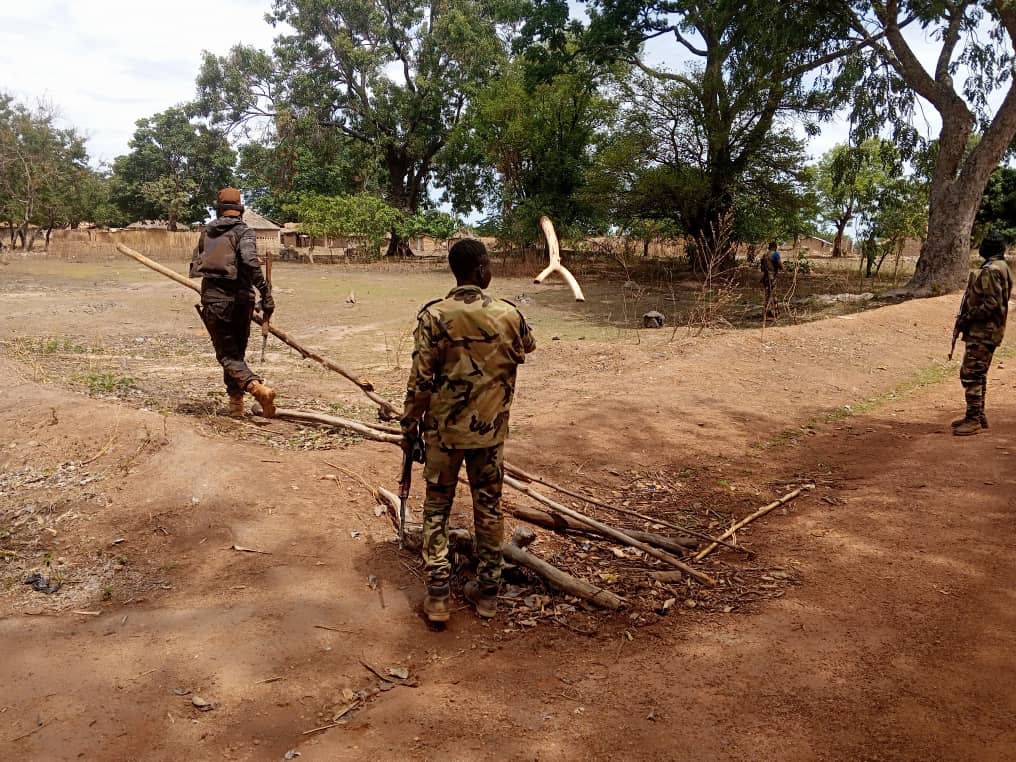
The Central African government has initiated full efforts to dismantle illegal roadblocks along the vital Bangui-Mbaïki axis, a key transportation artery for the nation. This decisive action directly addresses the widespread issue of unauthorized checkpoints that have significantly impeded both transportation and legitimate trade activities on this key route. The initiative is set to continue as a sustained effort until 23 July 2026, as authorities work diligently to ensure the free and unhindered movement of goods and people across this economically significant region. The government's commitment shows its determination to restore order and facilitate commerce along one of its most important road networks.
Axis Under Scrutiny
The Bangui-Mbaïki axis, recognized as a key transportation route, stretches a considerable 105 kilometers, connecting the capital city of Bangui with the town of Mbaïki. This road serves as a lifeline for various communities and economic activities, making its unhindered operation critical. The Central African government's concerted efforts to clear illegal roadblocks along this essential artery are specifically designed to restore unhindered movement, thereby improving accessibility and reducing transit times for all users. The presence of these unauthorized checkpoints has historically created significant logistical challenges, impacting supply chains and the daily lives of citizens. By focusing on this specific 105-kilometer stretch, the government aims to demonstrate its capacity to secure vital infrastructure.
Addressing User Complaints
The government's proactive initiative to clear illegal roadblocks comes in direct response to numerous complaints from users who have consistently reported incidents of harassment and various acts of racket along the Bangui-Mbaïki road. These complaints noted significant and recurrent disruptions to both personal travel and commercial activities, prompting the authorities to intervene decisively. The reported incidents included arbitrary demands for payment at unofficial checkpoints, illegal taxation, and intimidation tactics, which had severely and negatively impacted individuals and businesses relying on this key transportation artery for their livelihoods and operations. The persistent nature of these grievances showed an urgent need for government action to protect citizens and ensure the rule of law on public roads. The government's move is a direct acknowledgment of these public outcries and a commitment to addressing the systemic issues that have plagued the route.
Mission Oversight
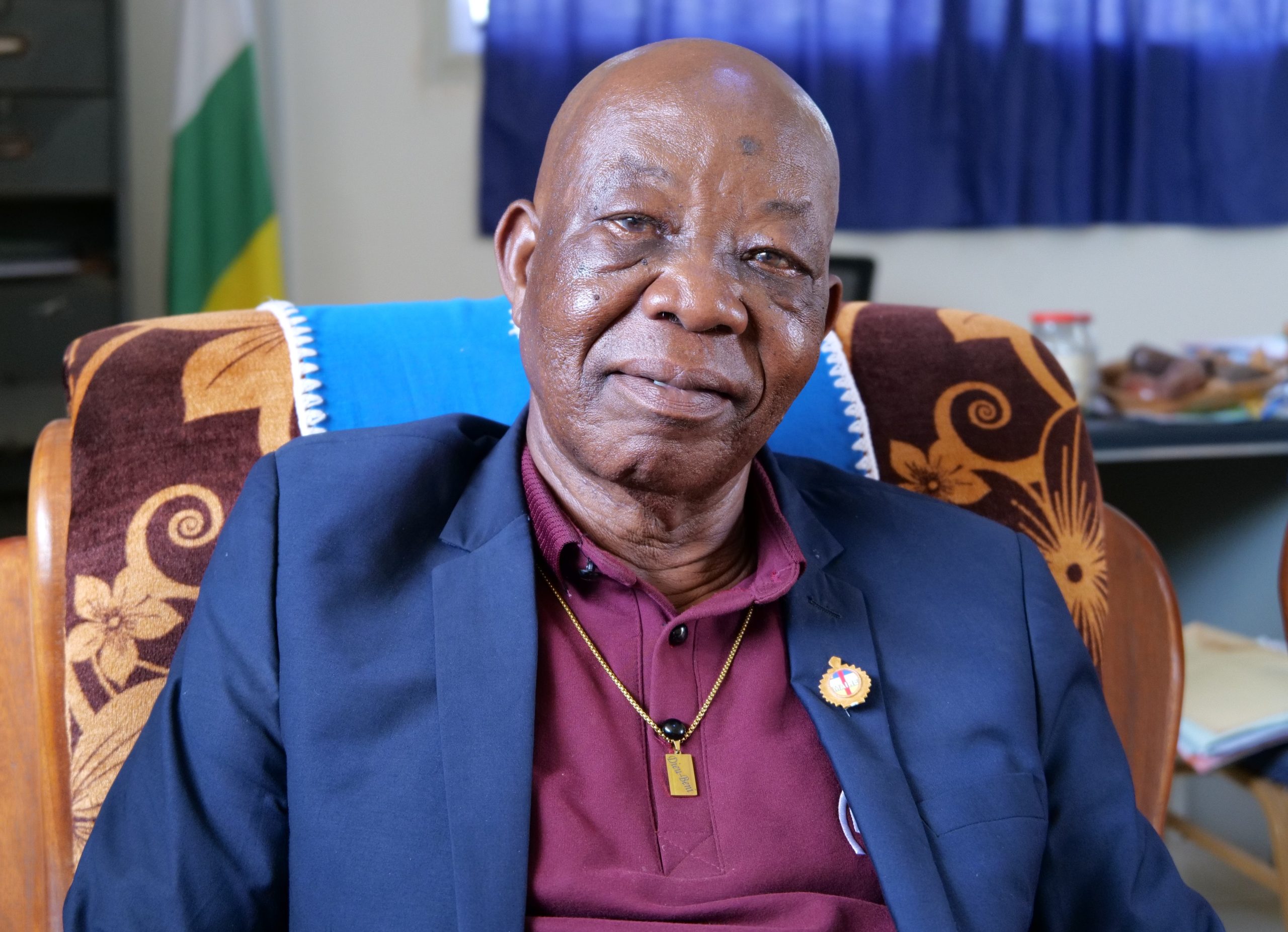
Martial Stève Mbétissinga closely followed the mission, playing a key role in monitoring the progress of the government's efforts to clear the Bangui-Mbaïki axis. His direct oversight ensured strict adherence to the stated objectives of dismantling illegal roadblocks and restoring free passage. This direct observation of the operation by a key figure shows the government's profound commitment to transparency, accountability, and effectiveness in addressing the deeply entrenched issue of unauthorized checkpoints. The presence of a high-ranking official observing the mission notes the significant importance placed on restoring free movement and enhancing security on this vital transportation route. His involvement provides an additional layer of scrutiny, ensuring that the operations are conducted efficiently and in line with government directives, thereby reinforcing public trust in the ongoing efforts.
Context and Next Steps
The Central African government's ongoing efforts to remove illegal roadblocks along the Bangui-Mbaïki axis are part of a broader, more full strategy aimed at securing key transportation routes across the entire nation. This specific initiative follows previous successful operations that also aimed at ensuring the free movement of goods and people within the country's borders. Authorities have consistently indicated that such measures are absolutely vital not only for fostering economic stability but also for promoting regional trade within the Central African Republic. The disruption caused by illegal roadblocks has long been identified as a significant impediment to economic growth and development. The government plans to continue these targeted operations as needed, employing a proactive approach to prevent the re-establishment of unauthorized checkpoints and to maintain the integrity of its road networks. This long-term commitment reflects a strategic vision for improved national infrastructure and enhanced security for all citizens and commercial activities.