Fuel prices have significantly increased in Bossembélé, a town located in Ombella-Mpoko, République centrafricaine, as of July 23, 2026. This surge is occurring amidst reports of widespread fuel shortages and recent seizures of illicit fuel, which have severely disrupted the normal supply chain. The escalating costs are impacting local residents and businesses throughout the region, creating a challenging economic environment and raising concerns about the stability of essential services. The situation notes a growing crisis for a community already reliant on consistent and affordable fuel for daily operations.
Drivers Face Soaring Costs
The price of a liter of gasoline in Bossembélé has doubled, reaching an unprecedented 1,500 CFA francs as of July 23, 2026. This represents a significant and sudden increase from its previous cost of 750 CFA francs per liter, effectively doubling the expense for every vehicle owner and operator. The sharp rise in fuel expenses is directly affecting drivers and transport operators in the town, which serves as a key hub within Ombella-Mpoko, République centrafricaine. For many, particularly those who earn their living through transportation, this increase translates into a substantial reduction in their daily income. The increased cost of gasoline is expected to impact daily commutes for residents, making personal travel more expensive, and severely affecting the movement of goods, potentially leading to higher prices for other necessities in the region as businesses pass on their increased operational costs. Local residents are reportedly facing substantial financial strain, struggling to absorb the burden of these rapidly escalating fuel prices into their already tight budgets.
Service Stations Absent
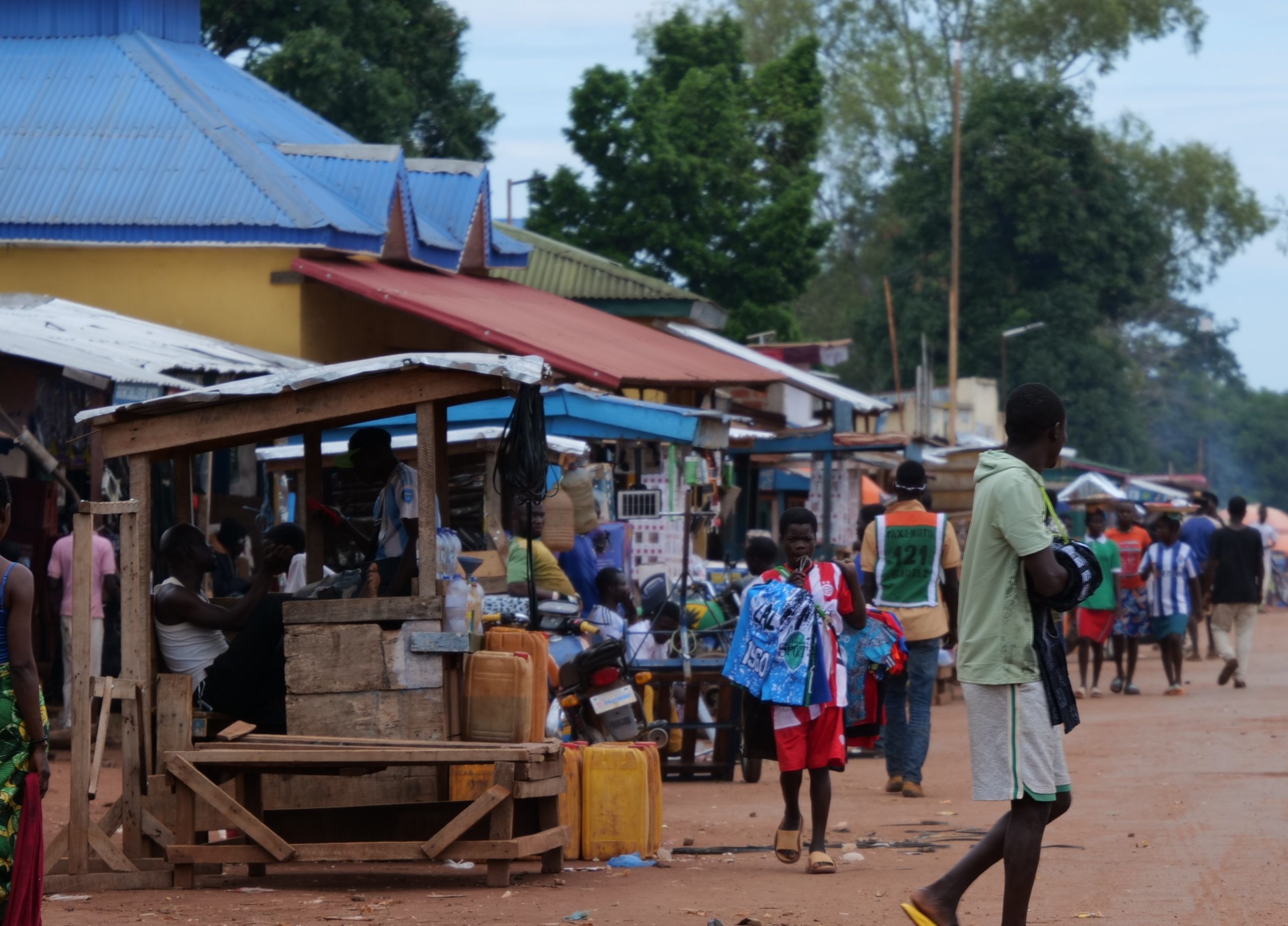
The price increase in Bossembélé is occurring in the stark absence of established and formal service stations, according to reports from the ground. This critical situation means that residents and transport operators in the town, located in Ombella-Mpoko, République centrafricaine, must procure fuel exclusively through informal channels. These unofficial avenues are often characterized by a lack of regulation, making them far more susceptible to erratic price fluctuations, opportunistic profiteering, and severe shortages. The lack of formal distribution points exacerbates the challenges faced by consumers, as fuel becomes not only scarcer but also significantly more expensive due to the inherent risks and inefficiencies of the informal market. This reliance on unofficial vendors contributes directly to the instability of fuel availability and pricing within the community, leaving consumers vulnerable to exploitation and further economic hardship. The absence of a structured supply network undermines efforts to stabilize prices and ensure consistent access to this vital resource.
Importers Blame Government Seizures
Some hydrocarbon importers have explicitly stated that the current fuel shortage in Bossembélé is directly linked to petroleum product seizures conducted by the government. These importers contend that official interventions, reportedly aimed at combating illicit trade or enforcing regulations, have inadvertently disrupted the legitimate supply chain. They argue that such actions contribute significantly to the scarcity of gasoline and the subsequent dramatic price escalation observed across the region. The government's actions, according to these sources, have had unintended consequences, exacerbating the challenges faced by consumers and transporters in obtaining fuel, even through informal means. This perspective suggests that while the seizures might be intended for regulatory or enforcement purposes, they have had a direct and detrimental impact on market availability and pricing dynamics within the region, creating a bottleneck that prevents fuel from reaching end-users efficiently.
Impact on Local Economy
The recent and significant fuel price hike in Bossembélé has directly resulted in an immediate and noticeable increase in public transport fares. This rise in transportation costs is expected to affect residents' daily commutes, making it more expensive to travel to work, school, or markets, and further burdening household budgets. Beyond individual commuters, the movement of goods within the region is also severely impacted, as transporters must charge more to cover their increased fuel expenses. Businesses and individuals who are heavily reliant on public transport, whether for personal mobility or for the delivery of raw materials and finished products, now face substantially higher operational and personal expenses. This ripple effect threatens to inflate the prices of other essential goods and services, potentially leading to broader economic instability and a decline in purchasing power for the local population. The economic strain is palpable, with concerns growing about the long-term implications for Bossembélé's economic vitality and the well-being of its inhabitants.