Several individuals were abducted in Nzako, Central African Republic, on Tuesday, July 21. The kidnappings occurred in the town located in the Mbomou prefecture. This incident, where several people were kidnapped on Tuesday, July 21, in Nzako, is part of broader security concerns in the region, noting the persistent challenges faced by local communities. The abductions show the volatile security situation in the eastern parts of the Central African Republic, an area frequently affected by the activities of armed groups. The precise number of individuals initially abducted has not been officially confirmed, but the incident has drawn significant attention to the ongoing instability.
Escape and Return
At least 15 hostages, who were abducted earlier in Nzako, managed to escape from their captors. The individuals subsequently returned to the city, according to reports from the region. Their escape marks a significant development following the abductions that took place on Tuesday, July 21, in the town located within the Mbomou prefecture of the Central African Republic. The return of the escapees offers a measure of relief amidst ongoing security challenges in the area. This successful escape provides a glimmer of hope for residents who have long endured the threat of abduction and displacement. The return of these 15 individuals to Nzako was a welcome event for their families and the community, though the trauma of their captivity remains. Authorities have not yet released details regarding the circumstances of their escape or the exact location of their return within Nzako, but their presence back in the city has been confirmed. The ability of such a significant number of hostages to flee their captors suggests a potential lapse in security by the abductors or a coordinated effort by the captives themselves.
LRA Suspected in Kidnapping
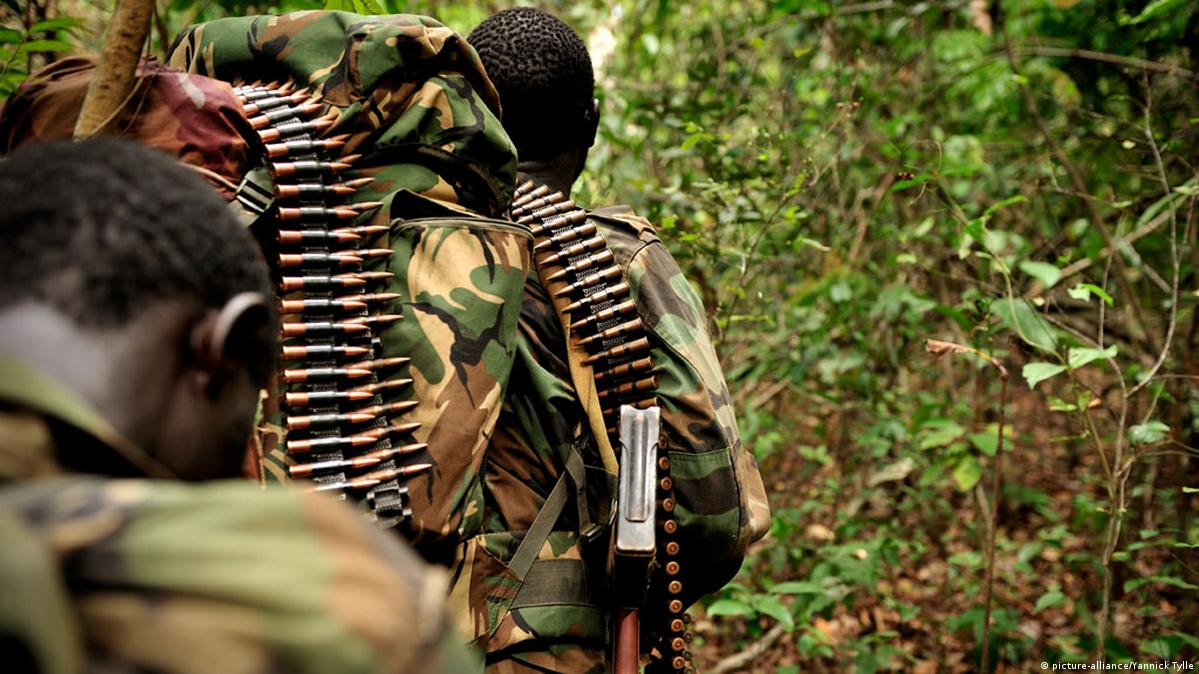
The kidnapping of individuals in Nzako is attributed to elements presumed to be from the Lord's Resistance Army (LRA). This attribution points to the ongoing presence and disruptive activities of the LRA in the Central African Republic. The group, known for its brutal tactics, has been active in the region for an extended period, contributing to instability and displacing communities. The LRA's continued operations in Mbomou prefecture and surrounding areas represent a severe threat to civilian populations, often targeting vulnerable individuals for forced recruitment or labor. Security forces and international partners have engaged in efforts to counter the LRA's influence, but such incidents continue to pose significant challenges to regional stability and humanitarian efforts. The involvement of the LRA in the Nzako abductions shows the persistent threat it represents to civilian populations in Mbomou prefecture and surrounding areas. The escape of 15 hostages from their captors, who are believed to be LRA elements, represents a setback for the group's operations in the area, potentially disrupting their immediate plans and signaling a loss of control over their captives.
Regional Context and Local Response
Hadja Kaltouma, the mayor of Nzako, was contacted by Igor Djeskin Senapaye regarding the abductions. This direct communication between the local officials notes the immediate response to the incident and the critical role of local governance in addressing security crises. The engagement of Mayor Kaltouma with Igor Djeskin Senapaye signifies the urgent need for coordination and information sharing in the face of such threats. This kidnapping in Nzako follows several other reported cases in the region, primarily affecting adolescents. The recurring nature of such incidents indicates a persistent security challenge for communities in the Central African Republic, particularly for its younger population who are often targeted. The focus on adolescents in previous abductions raises particular concerns about forced recruitment and exploitation by armed groups like the LRA. The community of Nzako, like many others in the Mbomou prefecture, lives under the constant shadow of such threats, making local leadership and external support key for their protection and recovery. The repeated occurrence of these events shows the urgent need for enhanced security measures and sustained efforts to neutralize armed groups operating in the region.