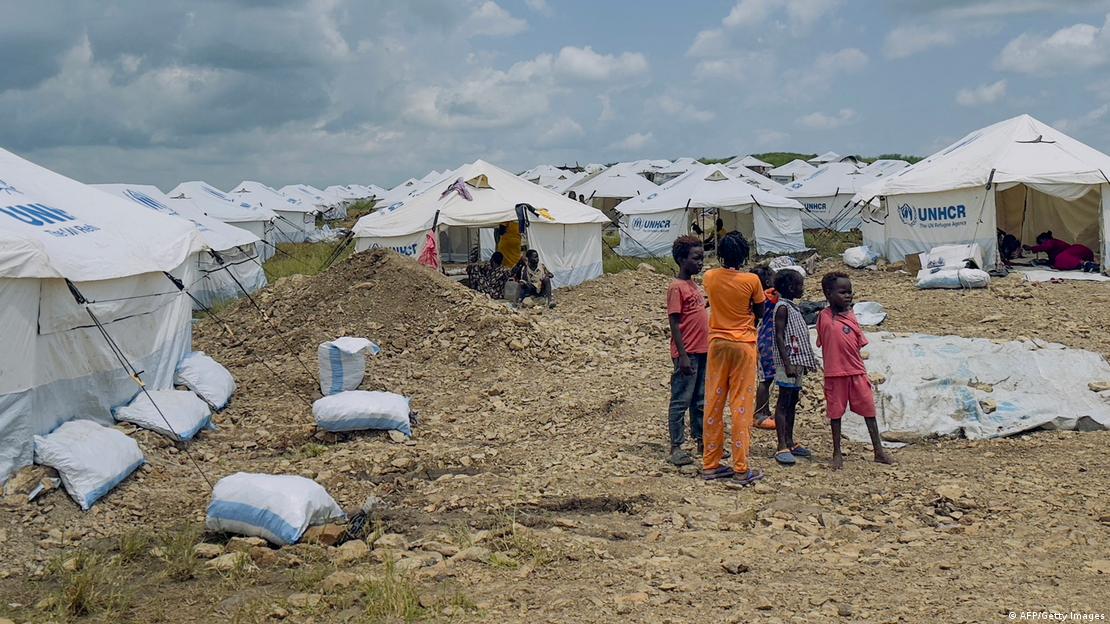
More than 6,790 Central African refugees have been living for several years in Sudan's Darfur region, enduring a protracted humanitarian crisis. These individuals, originating from Centrafrique, have sought refuge in Darfour, western Soudan, due to ongoing instability in their home country. Their prolonged displacement notes the complex challenges faced by those fleeing conflict in the wider region, showing the urgent need for international attention and sustained support. The situation in Darfur represents a significant humanitarian concern, with thousands of lives impacted daily by a severe lack of essential services and resources.
Dire Conditions Unmet
Refugees in Darfur are grappling with severe challenges, including a critical lack of access to healthcare and insufficient humanitarian aid. Many have been living in the region for several years, their protracted displacement exacerbating already dire circumstances. The absence of adequate medical facilities means that common illnesses can quickly become life-threatening, while specialized care remains largely unavailable. This scarcity of medical resources creates a precarious environment for all, particularly for vulnerable populations such as children, the elderly, and those with chronic conditions. Humanitarian organizations present in the area are struggling to meet the extensive needs of the displaced population, leading to widespread shortages of essential supplies like food, water, and shelter. This scarcity further compounds the daily struggles faced by refugee families, who often arrive with little to no resources and few prospects for sustainable livelihoods. The ongoing instability in their home country of Centrafrique offers little hope for immediate return, solidifying their status in Darfur as a long-term humanitarian concern that demands a full and strong response from the international community. The lack of consistent and adequate support leaves many refugees in a constant state of vulnerability, struggling for basic survival.
Appeals for Aid Ignored
Efforts to secure aid for Central African refugees in Darfur have reportedly stalled. Several steps have been initiated with humanitarian partners to obtain necessary assistance for the displaced population. However, these appeals and engagements have consistently remained without follow-up, according to sources familiar with the situation. This lack of concrete action after initial discussions is a significant barrier to addressing the escalating crisis. The absence of follow-through means that critical needs, including access to healthcare, food, and shelter, continue to go unaddressed for the thousands of refugees who have sought safety in the region. The humanitarian community's repeated calls for intervention and resources have, to date, yielded insufficient results, leaving the refugee population in a precarious state. This ongoing challenge shows a persistent gap between identified humanitarian requirements and the actual delivery of support on the ground in Darfur, exacerbating the suffering of those already displaced and vulnerable.
Refugee Leadership Speaks Out
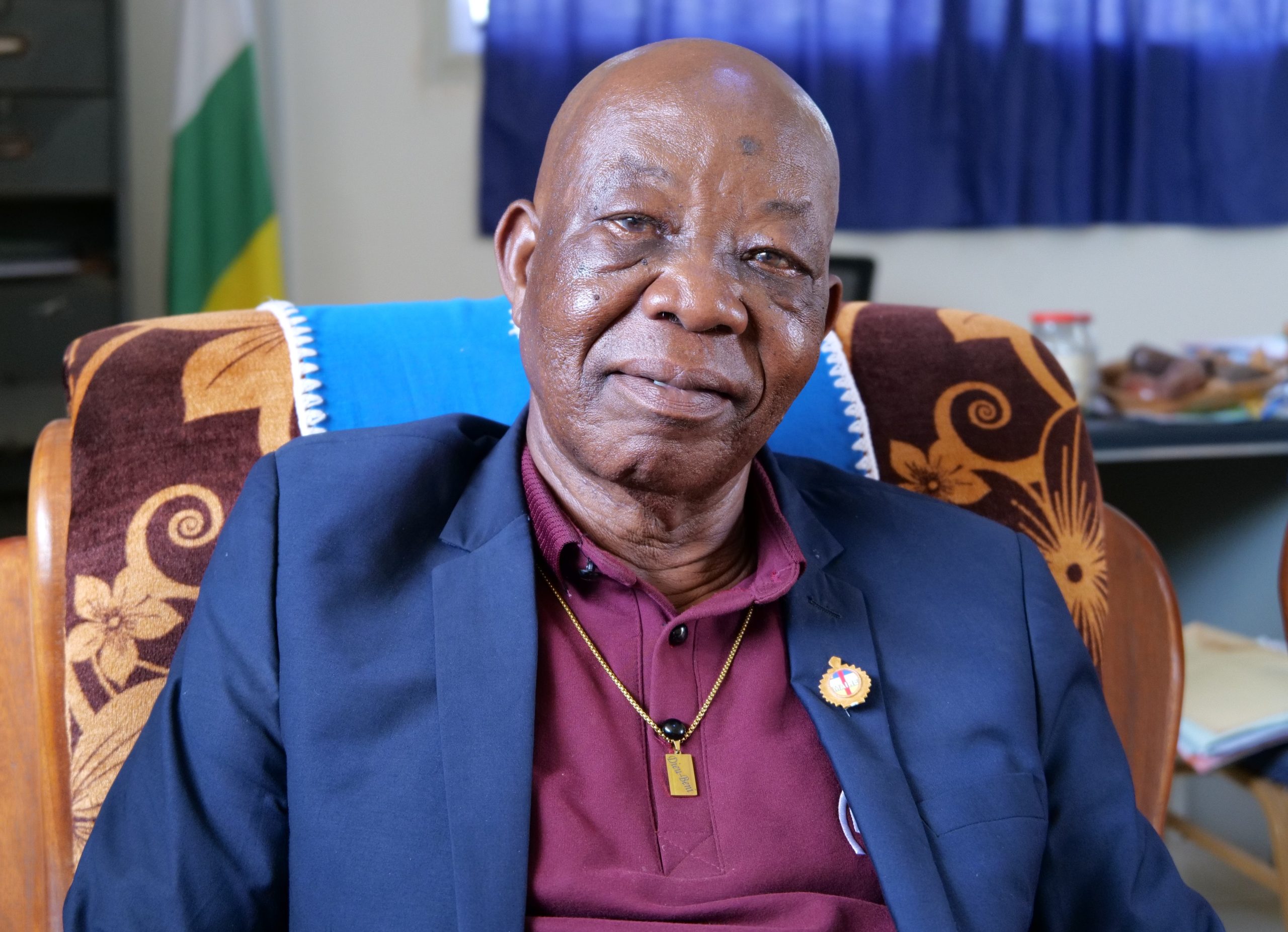
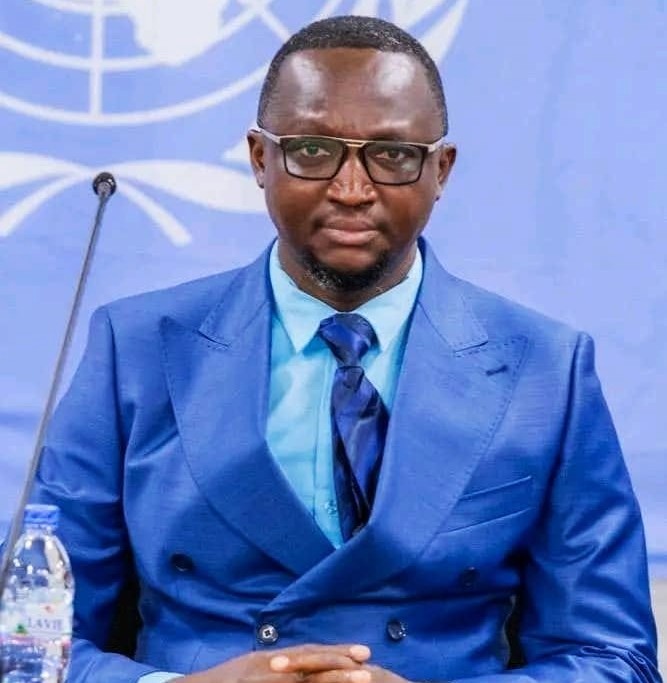
Ngabo Ali Taba-Salleh, the president of the Central African refugees in Darfour, represents the displaced community's leadership. Taba-Salleh plays a key role in voicing the concerns and needs of the thousands of refugees who have sought safety in the Darfur region of Sudan. His position involves advocating for improved humanitarian conditions, including better access to healthcare, adequate food supplies, and proper shelter for families residing in the camps. The leadership, under Taba-Salleh, frequently engages with humanitarian organizations and international bodies to highlight the ongoing challenges faced by the refugee population. These efforts aim to secure greater attention and resources for the protracted crisis affecting Central Africans far from their home country. The president's advocacy reflects the community's urgent appeals for sustained support and intervention in their dire circumstances, emphasizing the human cost of the ongoing neglect. He continues to draw attention to the critical necessity of immediate and long-term solutions to alleviate the suffering of his community.