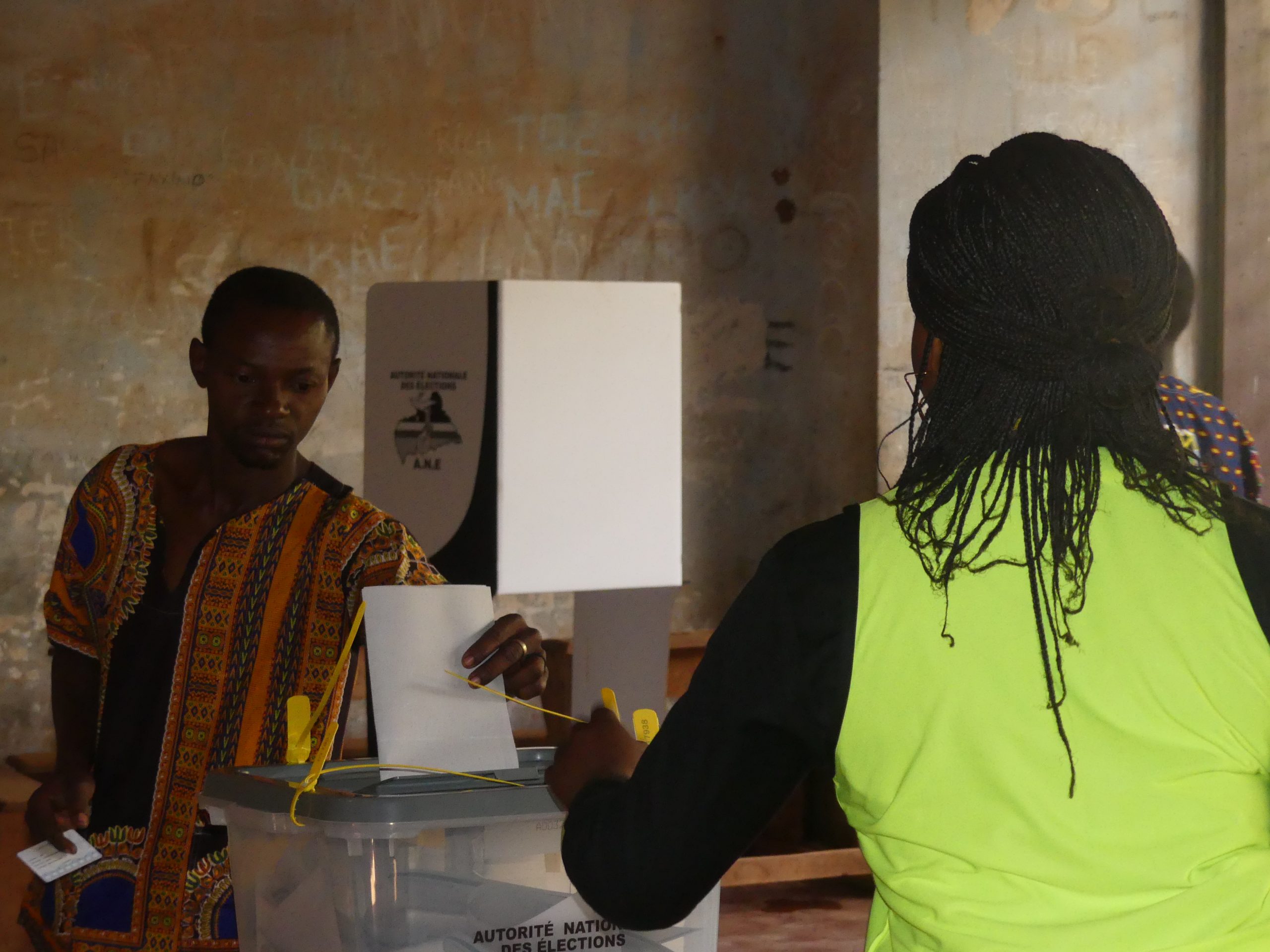
Central African Republic's residual elections have been postponed, affecting a campaign initially scheduled to open on October 10. The decision was announced on Saturday in a press release from the election institution. Mathias Barthélemy Morouba, the president of the institution, signed the official communication regarding the delay. The postponement impacts the electoral calendar in the Central African Republic, with further details expected on the revised schedule. This marks another interruption in the country's efforts to fully establish its democratic institutions.
Budgetary Constraints Cited
The postponement of the residual elections in the Central African Republic is attributed to budgetary constraints. Davy Yama, who serves as an electoral commissioner and president of the finance commission, addressed the issue. Yama indicated that the necessary funds for organizing the elections had not yet been released. This financial shortfall has directly impacted the electoral body's ability to proceed with the planned schedule. The commission is awaiting the allocation of the required budget to finalize preparations and set a new timeline for the electoral process. The delay shows the significant financial challenges faced by the electoral institution in executing its mandate. Without the necessary funding, the logistical and operational aspects of conducting a nationwide election cannot be adequately met, leading to this unavoidable delay.
Election Timeline Disrupted
The National Electoral Authority announced the postponement of the ballot, further disrupting the Central African Republic's electoral timeline. This decision affects the remaining legislative and local elections, which were originally slated to take place before the end of the year. The delay means that the country will continue to operate with an incomplete legislative body and local administrations for an extended period. The announcement from the National Electoral Authority did not specify a new date for the polls, leaving the electoral calendar uncertain. The ongoing postponements highlight the logistical and financial hurdles faced by the Central African Republic in organizing its democratic processes. The inability to hold these elections as planned creates a vacuum in representation at both national and local levels, impacting governance. Further details regarding a revised schedule are anticipated from the electoral body as it works to resolve the financial impasses.
Official Announcement Details
The postponement of the Central African Republic's residual elections was formally announced on Saturday. The National Electoral Authority communicated the decision through a press release, detailing the delay in the electoral calendar. This official announcement marks a further disruption to the country's planned democratic processes, leaving the timeline for the remaining legislative and local elections uncertain. The press release, signed by Mathias Barthélemy Morouba, President of the election institution, did not immediately provide a new date for the polls, indicating that a revised schedule would be communicated at a later time. This formal communication clarified the reasons behind the delay, primarily citing the lack of necessary funds. The transparency in the announcement, despite the negative news, aims to keep stakeholders informed about the electoral body's operational challenges.
Background and Next Steps
The Central African Republic has faced a series of electoral delays for residual legislative and local polls. These elections aim to complete the country's democratic institutions following previous rounds, ensuring full representation. The National Electoral Authority initially announced the postponement, citing budgetary shortfalls as a primary reason for the inability to proceed as planned. Authorities have not yet set a new date for the outstanding ballots. Further details on a revised electoral calendar are expected to be communicated by the electoral body in Bangui, as the country navigates the logistical and financial challenges associated with its electoral processes. The electoral commission, through figures like Davy Yama, continues to emphasize the critical need for the allocated budget to be released to enable the resumption of electoral preparations and the setting of new dates. This ongoing situation shows the fragility of democratic institution-building in the region when faced with financial and logistical obstacles.