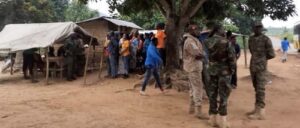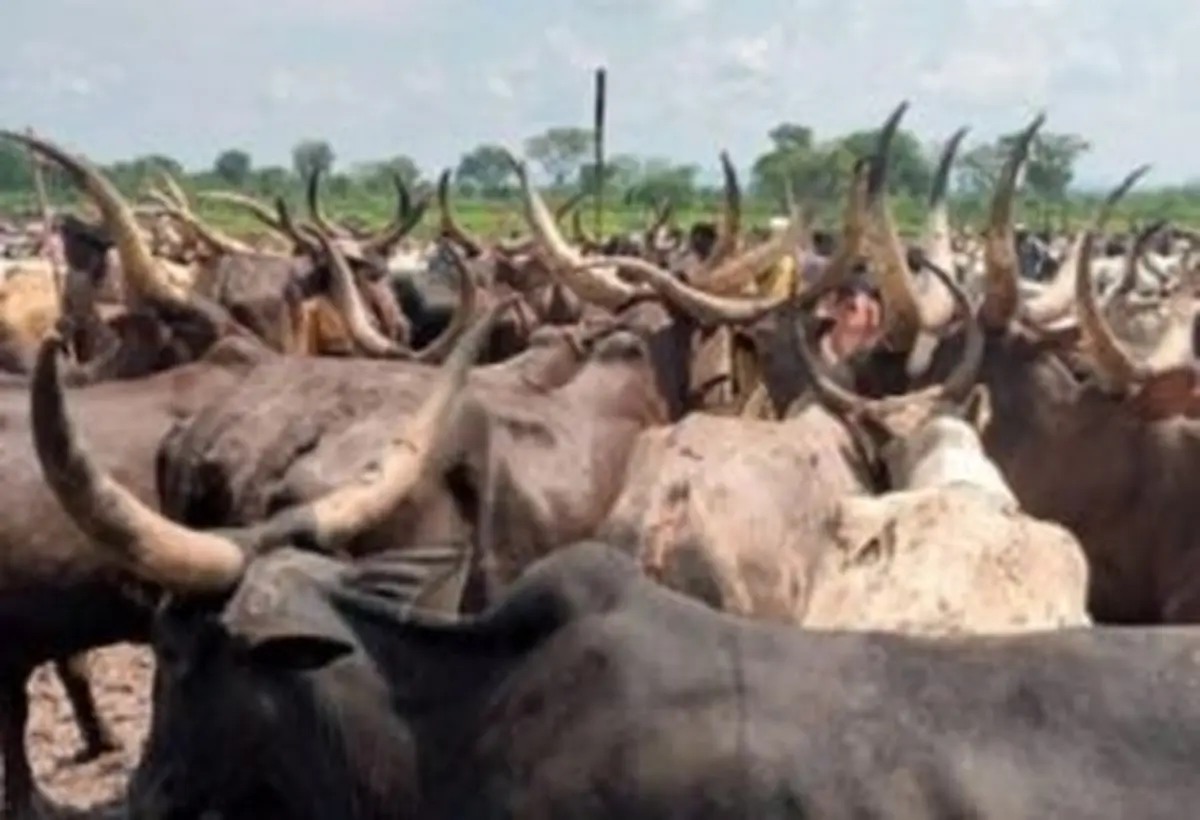
During the 2025-2026 transhumance season, 131 incidents occurred across the Central African Republic. These events caused 35 deaths and 32 injuries, according to data provided by MINUSCA.
During the 2025-2026 transhumance season, 131 incidents were recorded in the Central African Republic. The 2025-2026 transhumance season resulted in 35 deaths and 32 injuries, according to the MINUSCA.
Officials gathered in Berberati in October 2026 to evaluate the outcomes of the 2025-2026 transhumance campaign. Participants at the meeting used the session to prepare for the upcoming 2026-2027 season. A meeting was held in Berberati in October 2026 to evaluate the 2025-2026 transhumance campaign and prepare for the 2026-2027 season.
The gathering in Berberati served as a formal venue for stakeholders to review the statistical data accumulated throughout the previous season. By examining the 131 incidents recorded during the 2025-2026 period, the attendees sought to identify patterns related to the movement of livestock and the interactions between pastoralist groups and settled communities. The data, which includes the 35 deaths and 32 injuries reported by MINUSCA, formed the primary basis for the discussions held during the October 2026 assembly.
The evaluation process focused on the specific operational challenges encountered during the 2025-2026 transhumance cycle. Officials assessed how the 131 incidents impacted the security environment in the Central African Republic. By reviewing these events, the participants aimed to develop strategies to mitigate risks for the 2026-2027 season. The meeting in Berberati provided a centralized location for representatives to synthesize the reports provided by MINUSCA regarding the 35 deaths and 32 injuries.
Preparation for the 2026-2027 season involves integrating the lessons learned from the 2025-2026 campaign into future planning. The October 2026 meeting allowed officials to discuss the administrative and logistical requirements for the upcoming cycle. By addressing the 131 incidents documented in the previous season, the participants worked to establish a framework for the 2026-2027 season that prioritizes the safety of all involved parties.
The data provided by MINUSCA regarding the 35 deaths and 32 injuries remains a critical component of the ongoing review process. During the sessions in Berberati, officials analyzed the geographical distribution of the 131 incidents to better understand the transhumance corridors used throughout the Central African Republic. This analysis is intended to inform the management of the 2026-2027 season, ensuring that the experiences of the 2025-2026 period are utilized to improve outcomes.
As the 2026-2027 season approaches, the evaluation conducted in Berberati in October 2026 stands as the official record of the prior year's activities. The focus remains on the figures reported by MINUSCA, specifically the 131 incidents, 35 deaths, and 32 injuries. These metrics are the foundation upon which the 2026-2027 season planning is built, reflecting the commitment of the officials to address the challenges observed in the Central African Republic during the 2025-2026 transhumance season.