The Central African Republic's government is maintaining its Ebola prevention strategy due to persistent concerns about the virus across its borders. The Central African government is continuing its Ebola prevention strategy, implementing measures designed to safeguard public health and prevent potential outbreaks within the country. This ongoing effort reflects the government's commitment to disease surveillance and response, particularly given regional health challenges. The proactive stance aims to mitigate risks associated with cross-border movements and potential virus transmission, ensuring the health and safety of its citizens. This strategy is a key component of the nation's public health framework, continuously adapting to regional epidemiological developments.
Border Town Preparedness Efforts
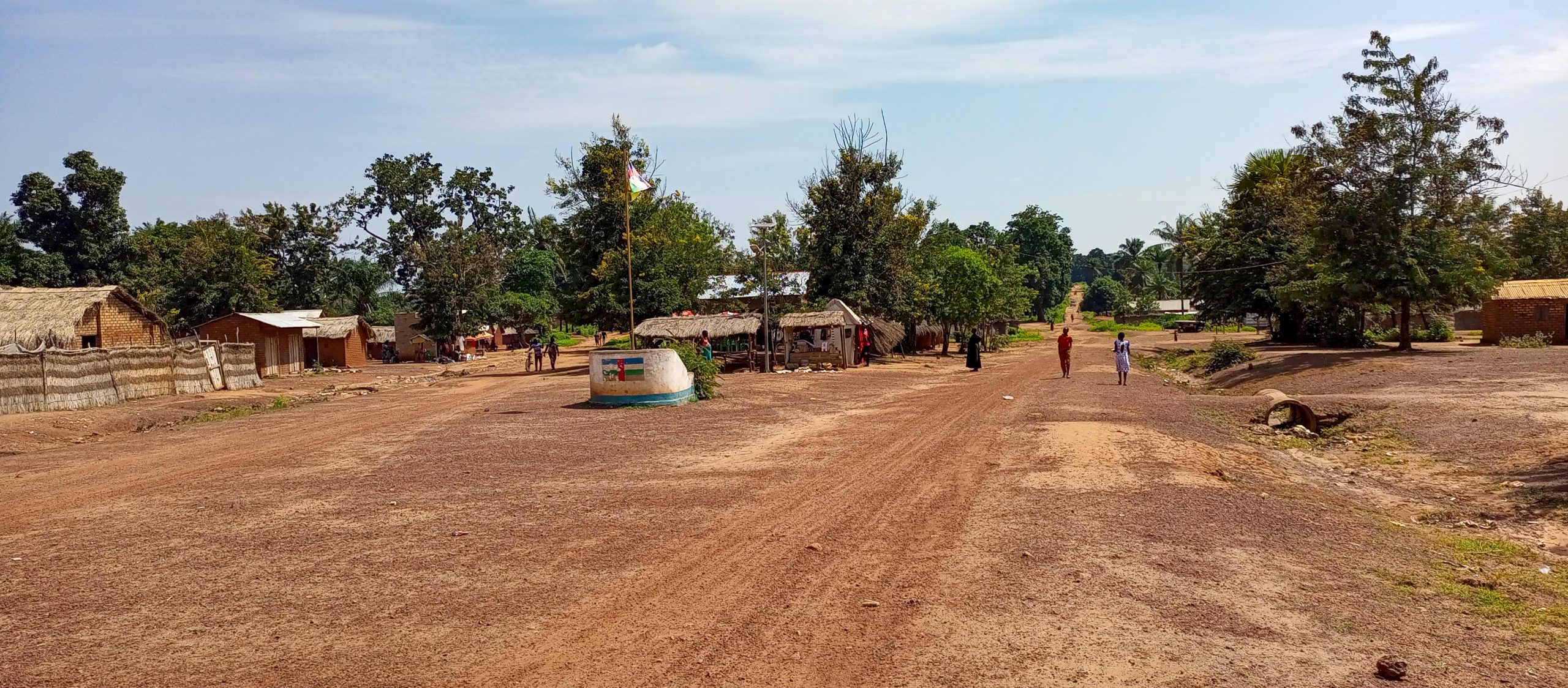
Dr. Pierre Somsé, the Minister of Health, expressed appreciation for the response measures implemented in Obo. This acknowledgment followed a mission from the Ministry of Health, which visited Obo on July 10 and 11. The visit was part of ongoing efforts to assess and strengthen public health readiness in border regions of the Central African Republic (RCA). Obo, located in the Haut-Mbomou prefecture, in the southeast of the Central African Republic (RCA), is a key area for such vigilance due to its proximity to the Democratic Republic of Congo (DRC), where Ebola outbreaks have occurred. The ministerial team reviewed local protocols and infrastructure dedicated to disease prevention and rapid response, ensuring that local health authorities are equipped to handle potential public health emergencies. Dr. Somsé's commendation notes the importance of these local efforts in the broader national prevention strategy.
National Prevention Strategy
Authorities in the Central African Republic report that no cases of the Ebola virus have been registered within the country to date. This absence of confirmed infections underpins the government's current prevention strategy, focusing on maintaining vigilance and preparedness. The national health system, supported by various international partners, has established protocols for disease surveillance, particularly in regions bordering countries where Ebola outbreaks have occurred. These measures include monitoring cross-border movements and implementing public health awareness campaigns to educate the populace on preventative practices and symptoms. The ongoing efforts aim to detect any potential imported cases swiftly and prevent local transmission, ensuring the country remains free of the virus. The careful implementation of these protocols serves as a critical barrier against the spread of the disease.
Minister's Call for Vigilance
Dr. Pierre Somsé, the Minister of Health, emphasized the ongoing necessity for national vigilance regarding the Ebola virus. His statement showed the government's commitment to preventing the disease from entering the Central African Republic. Dr. Pierre Somsé stated that vigilance must be maintained, remaining key despite the absence of reported cases within the country. This directive reinforces existing public health measures, particularly in border areas susceptible to potential disease transmission from neighboring regions. The Minister's remarks align with the country's proactive strategy to safeguard public health and ensure preparedness against potential outbreaks, urging all stakeholders to remain alert and responsive. He stressed that continuous monitoring and public awareness are critical to sustaining the country's Ebola-free status.
Regional Context and Reporting
Obo, a town situated in the Haut-Mbomou prefecture in the southeast of the Central African Republic (RCA), forms a border with the Democratic Republic of Congo (DRC). Due to this geographical position, the town is a critical point for monitoring cross-border health concerns. Moïse Bakoua, a correspondent for Radio Ndeke Luka, has been reporting on the local situation, providing valuable insights into the ongoing preparedness efforts and public health awareness campaigns in the region. The proximity to the DRC, a country that has experienced Ebola outbreaks, necessitates continued vigilance and preparedness efforts in Obo and other border communities. The reports from ground correspondents like Moïse Bakoua are vital for understanding the effectiveness of measures taken and identifying areas that require further attention. This regional context shows the perpetual need for strong surveillance systems and rapid response capabilities.