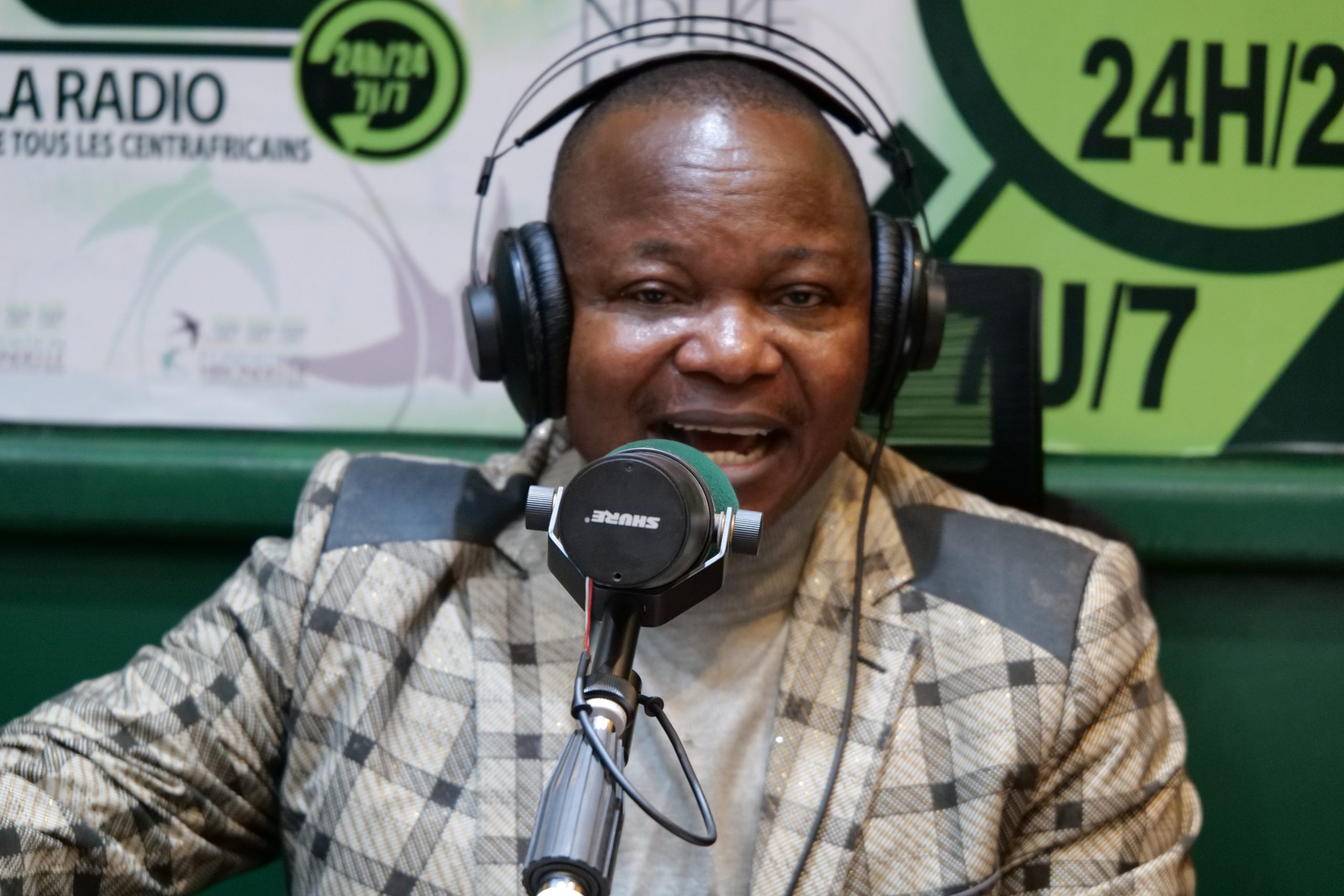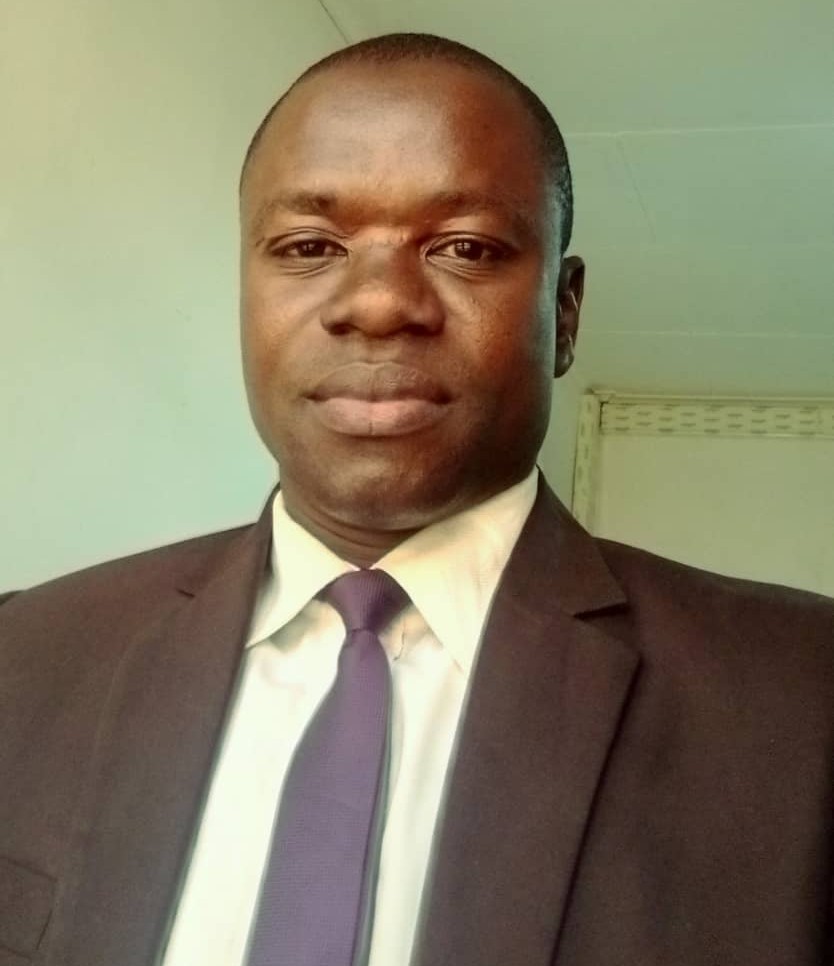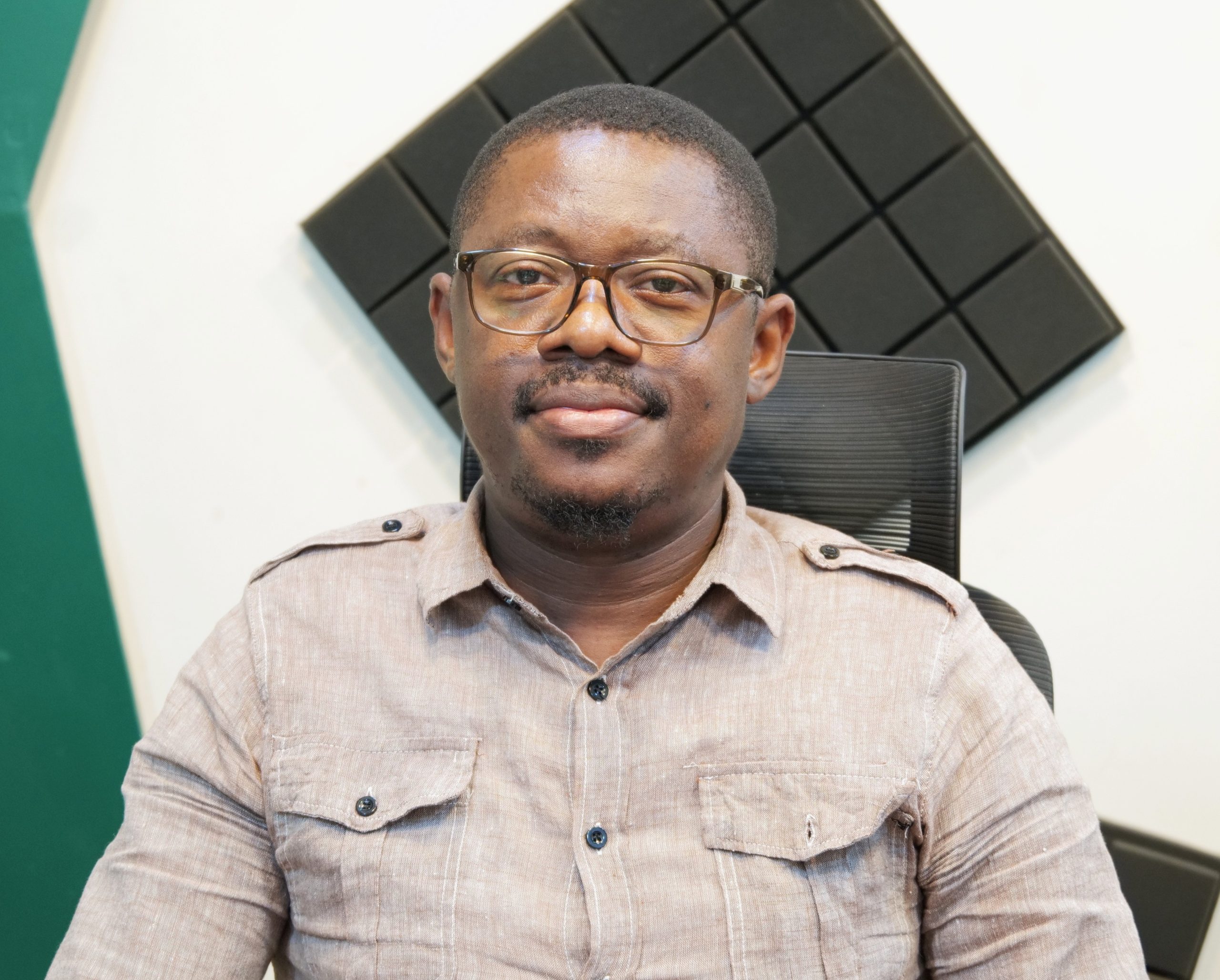
In the Central African Republic, the functions and missions of the regional councilor remain largely unknown to many citizens, according to observations made in Bangui. This widespread lack of clarity regarding the responsibilities and scope of this important local governance role has been identified as a significant challenge for effective civic participation. This situation prompted Bruce Idrisso Bokoula, a regional councilor representing the 5th arrondissement of Bangui, to address questions from Armando Yanguendji, shedding light on the councilor's role and its implications for the citizenry. The discussion, aimed at clarifying these responsibilities for the public and fostering greater understanding, was published on June 4, 2026, offering timely insights into this evolving aspect of Centrafrican governance.
Understanding the New Role
The role of the regional councilor in the Central African Republic is a newly established position, designed to serve as a vital link between the central government and local communities. This innovative approach to local administration aims to bridge the gap between national policy-making and the specific needs of diverse regional populations. These councilors are intended to decentralize governance and improve the flow of information and services at the regional level, thereby making government more accessible and responsive to its constituents. Their responsibilities include representing the interests of their constituents, actively participating in regional development planning, and facilitating essential communication between local populations and national authorities. This multifaceted role requires a deep understanding of local issues combined with the ability to navigate national administrative structures. The creation of this role reflects ongoing efforts within Centrafrique to strengthen local administration and ensure more effective citizen participation in public affairs, moving towards a more inclusive governance model. The initiative aims to address the historically centralized nature of decision-making by empowering regional representatives with specific mandates to advocate for their areas and contribute to broader national development strategies, ensuring that regional voices are heard at higher levels of government.
A Councilor's Perspective
Bruce Idrisso Bokoula serves as a regional councilor representing the 5th arrondissement of Bangui. His position places him directly within the administrative framework designed to connect local concerns with broader governmental structures, making him a key figure in the implementation of this new system. As a regional councilor, Mr. Bokoula's duties involve reflecting the needs and interests of his constituency within the 5th arrondissement, ensuring that the specific challenges and aspirations of his community are brought to the forefront of regional discussions. This role necessitates regular and proactive engagement with community members, gathering their input, and active participation in regional decision-making processes, where he contributes to shaping policies that directly impact his constituents. The designation of regional councilors like Mr. Bokoula shows efforts to reinforce localized governance and ensure that the voices from various arrondissements, such as Bangui's 5th, are integrated into regional planning and policy implementation. His involvement notes the practical application of the new regional councilor framework in the Central African Republic, demonstrating how these representatives are expected to operate on the ground to foster development and address local issues.
Public Awareness and Engagement
Raising public awareness about the regional councilor's role is a key objective for organizations operating in Centrafrique, especially given that the functions and missions of the regional councilor are still unknown to many citizens. Efforts to inform citizens about these new responsibilities are being undertaken by various entities, recognizing that an informed populace is key for the success of this decentralization initiative. Radio Ndeke Luka, supported by the Fondation Hirondelle, the Journalism Trust Initiative, the Union Européenne, and the Direction du développement et de la coopération DDC - Confédération Suisse, plays a significant part in disseminating this vital information across the country. These organizations aim to clarify the functions of regional councilors, such as Bruce Idrisso Bokoula, who represents the 5th arrondissement of Bangui, through various media channels and community outreach programs. Increased public understanding is considered vital for effective engagement between citizens and their regional representatives, fostering meaningful participation in local governance and accountability. The communication initiatives focus on explaining how regional councilors serve as a key link between communities and the central government, empowering citizens to utilize this new channel for expressing their needs and influencing local development.