Road conditions in Kabo, situated in the Ouham-Fafa prefecture 444 kilometers from Bangui, are severely hampering travel, particularly during the rainy season. Key routes connecting Kabo to Batangafo, Ouandago, and Sido have become difficult to traverse. This situation poses significant challenges for commuters and economic activities in the region, affecting the daily lives of residents and the flow of goods key for regional commerce. The persistent degradation of these vital transportation arteries has created a pressing crisis, deeply impacting the community's access to essential services and markets.
Daily Travel Deteriorates
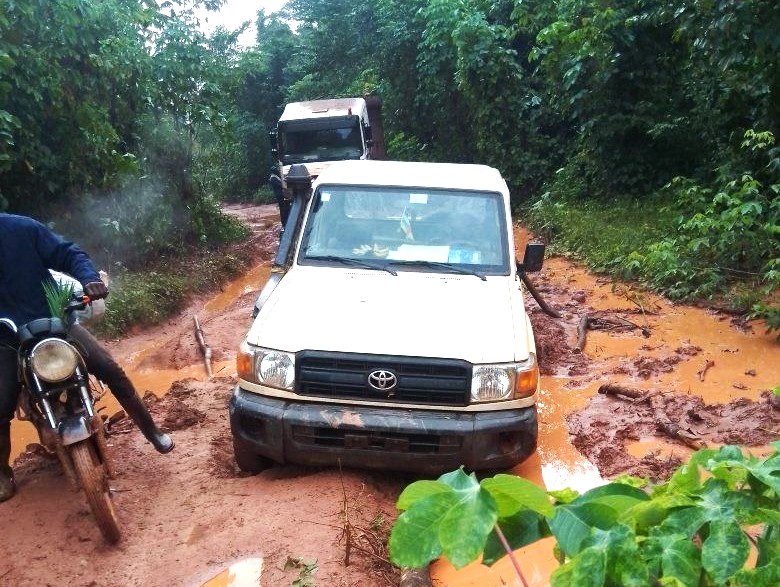
The roads connecting Kabo to other towns are marked by significant deterioration, featuring large potholes filled with stagnant water alongside deep muddy sections locally referred to as 'Général'. These challenging conditions have drastically altered travel times for commuters and goods. The journey between Kabo and Batangafo, which previously required approximately one hour to complete, now frequently extends to four hours. This substantial increase in travel duration impacts daily routines and economic transactions within the Ouham-Fafa prefecture. The difficult terrain complicates transport, making essential movements between towns more arduous and time-consuming for all who rely on these routes. The perilous state of these roads not only delays travel but also increases the risk of accidents and vehicle damage. The deep muddy areas and waterlogged potholes present formidable obstacles, often rendering certain sections impassable for standard vehicles and forcing longer, more circuitous detours. This ongoing struggle to navigate the primary road networks has become a defining characteristic of life for residents in Kabo and its surrounding areas during the wet season.
Economic Lifeline Severed
Poor road conditions are significantly hindering the evacuation of agricultural products to Bangui, thereby impacting the local economy, which is primarily based on agriculture. This impediment affects the timely transport of goods from Kabo to the capital, creating bottlenecks in the supply chain and reducing the market access for local farmers. The inability to efficiently move produce, such as staple crops and other agricultural commodities, leads to spoilage and reduced profitability for producers. The challenges in transporting these essential goods are felt acutely by the agricultural community, which forms the backbone of the region's economic activity.
The deteriorating infrastructure has also led to a sharp increase in transport costs. Shipping a bag of peanuts to Bangui now costs 10,000 CFA francs. This elevated expense adds to the challenges faced by local farmers and traders, further straining economic activities in the region and reducing profitability for agricultural producers. The increased operational costs for transporters, driven by longer travel times and vehicle wear and tear, are passed on to the producers, diminishing their already tight margins. This economic pressure threatens the livelihoods of many families dependent on agriculture, noting the urgent need for improvements in the road network to restore economic vitality. The cumulative effect is a significant drag on regional development, isolating local markets and limiting opportunities for growth.
Infrastructure's Long Decline
The roads in question were constructed in 1984, according to local officials. This infrastructure has faced continuous deterioration, worsening significantly with each annual rainy season. The ongoing degradation has contributed to the current challenges observed in the region's transport network, affecting connectivity and economic activities. The initial construction, now decades old, was not designed to withstand the intensity of current traffic or the increasingly severe weather patterns, leading to accelerated wear and tear. Without regular maintenance and significant investment in rehabilitation, the structural integrity of these roads has progressively failed over the years. The cycle of annual damage during the rainy season compounds the problem, making repairs more extensive and costly with each passing year. This long-term neglect has transformed once-functional routes into treacherous paths, showing a systemic issue in infrastructure management within the Ouham-Fafa prefecture.
Seeking Urgent Solutions
Local authorities are engaged in discussions with various partners to secure funding necessary for the rehabilitation of the degraded road infrastructures in Kabo. The aim is to address the severe conditions that currently impede transport and economic activity. The persistent degradation of these roads has resulted in significant material losses for those attempting to traverse them, including damage to vehicles and cargo. In some documented instances, the perilous conditions have also led to the loss of human lives, showing the urgent need for intervention and repair. These discussions are critical to mobilizing the resources required to undertake the extensive reconstruction work needed. The community and local government are united in their call for immediate action to mitigate the risks and restore safe, efficient connectivity. The hope is that these collaborative efforts will lead to concrete plans and the necessary financial backing to rebuild these essential arteries, ensuring the safety and economic well-being of the region's inhabitants.