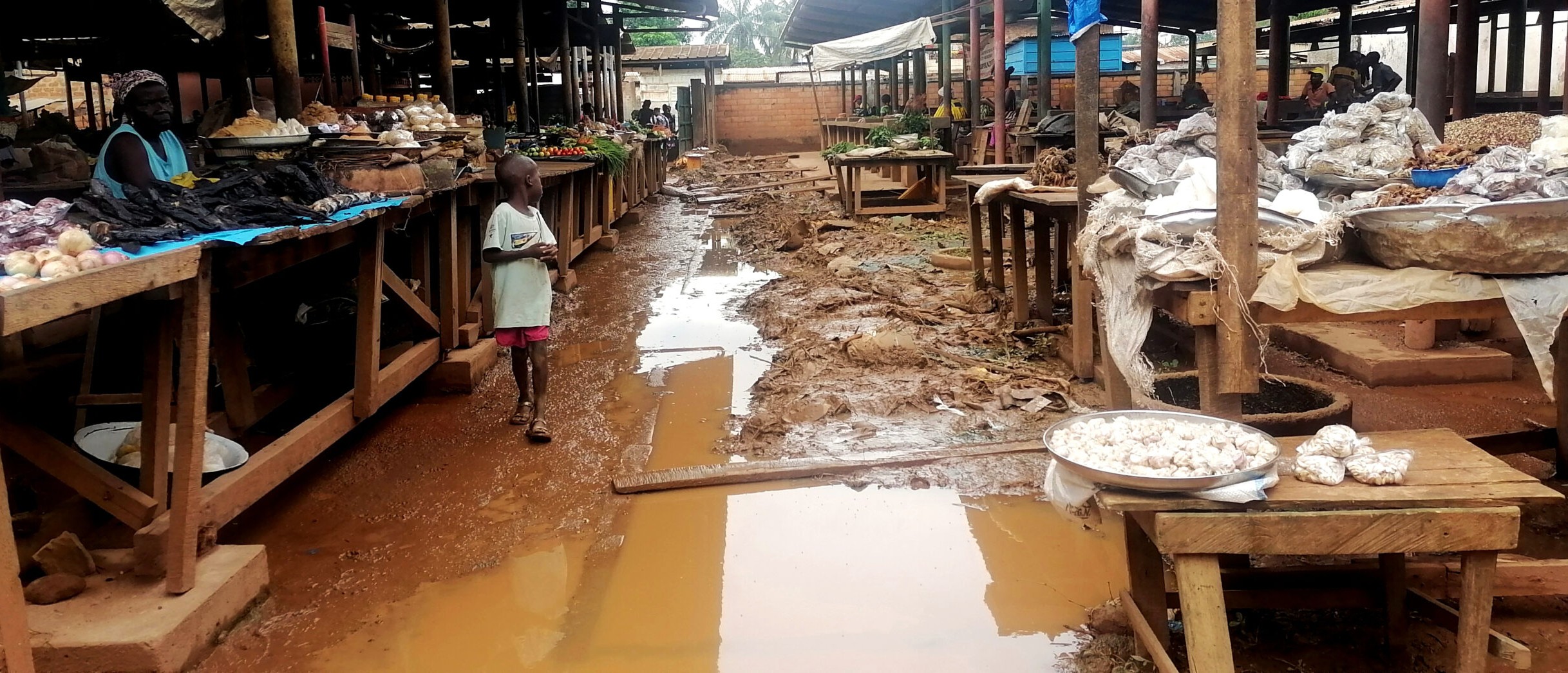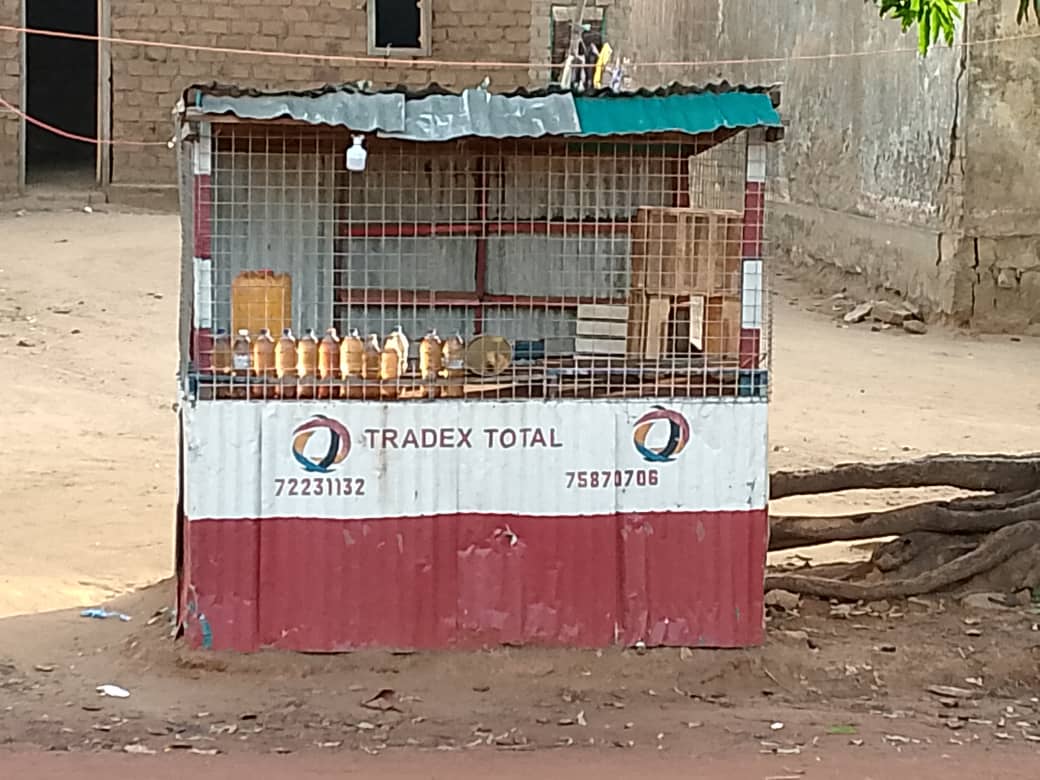
Gasoline prices in Bocaranga, Ouham-Pendé, have surged from 800 to 1,250 CFA francs per liter, impacting residents over the past few days. This significant increase has directly led to higher transportation costs, subsequently driving up the prices of essential food items for inhabitants. The shift reflects a growing economic challenge for the community within the République centrafricaine, making these past few days particularly difficult for the people of Bocaranga. The sudden escalation in fuel expenses has created immediate financial strain for many households, altering daily budgets and purchasing power.
Sharp Rise in Fuel Costs
Gasoline prices in Bocaranga, a town in Ouham-Pendé, have recently escalated, marking a significant economic shift for residents. The cost per liter has risen sharply from 800 CFA francs to 1,250 CFA francs within the past few days. This substantial increase in fuel prices has directly translated into higher expenditures for transportation across the area, affecting both personal travel and commercial logistics. Consequently, the cost of essential food items has also seen an upward trend, affecting the daily lives of inhabitants who now face increased expenses for basic necessities. The surge shows a broader economic challenge within the République centrafricaine, with local communities like Bocaranga bearing the immediate impact of these price adjustments. The situation reflects a tightening of household budgets as individuals contend with elevated costs for fundamental goods and services driven by the fuel price hike. This rapid escalation has placed considerable pressure on families and businesses alike, forcing them to adjust to a new economic reality where everyday expenses are notably higher.
Widespread Economic Impact
The gasoline price increase in Bocaranga directly affects road users, leading to a rise in transportation costs for both individuals and businesses. This surge has ripple effects across various sectors of the local economy, extending far beyond the gas pump. The elevated cost of fuel impacts individuals commuting for work and daily errands, making their daily movements more expensive. It also significantly affects businesses relying on vehicle transport for their operations, from delivery services to local markets. Public transport fares are expected to climb in response to the higher fuel input costs, placing an additional burden on residents who depend on these services for mobility. The increased operational expenses for commercial vehicles, including those transporting goods into and out of Bocaranga, contribute directly to higher prices for consumer products available in local shops. This economic pressure extends significantly to the agricultural sector, where the cost of moving produce from farms to markets is now greater, potentially impacting food supply chains and prices further. Ultimately, the fuel price hike translates into an overall increase in the cost of living for families in Bocaranga, intensifying inflationary pressures across the community. This widespread impact touches nearly every aspect of daily economic life, from food purchases to travel expenses.
Regional Context and Comparison
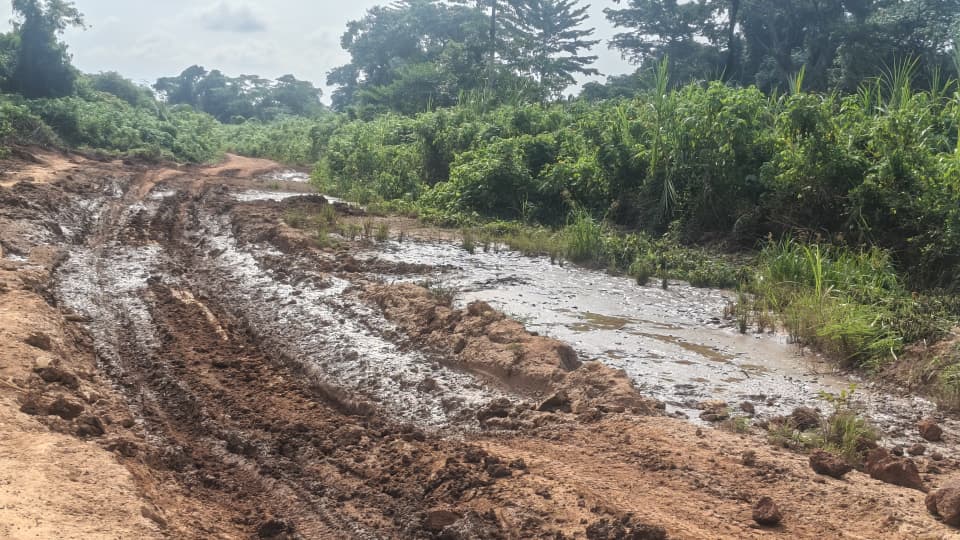
Bocaranga is situated in the North-west of the Central African Republic, a region with its own specific economic dynamics. Historically, the price of gasoline in the town has been generally lower when compared to the capital city, Bangui. This regional disparity in fuel costs often reflects differences in supply chains, infrastructure availability, and local market dynamics across the République centrafricaine. Factors such as proximity to supply routes, road conditions, and local distribution networks typically influence these price variations. The recent surge in Bocaranga narrows this historical price gap, aligning local costs more closely with those found in other parts of the country, including the capital. This convergence suggests a shift in the factors influencing fuel prices in Bocaranga, potentially indicating broader economic or logistical changes impacting the entire supply chain within the nation. The loss of this comparative advantage in fuel pricing further exacerbates the economic difficulties faced by the inhabitants of Bocaranga.