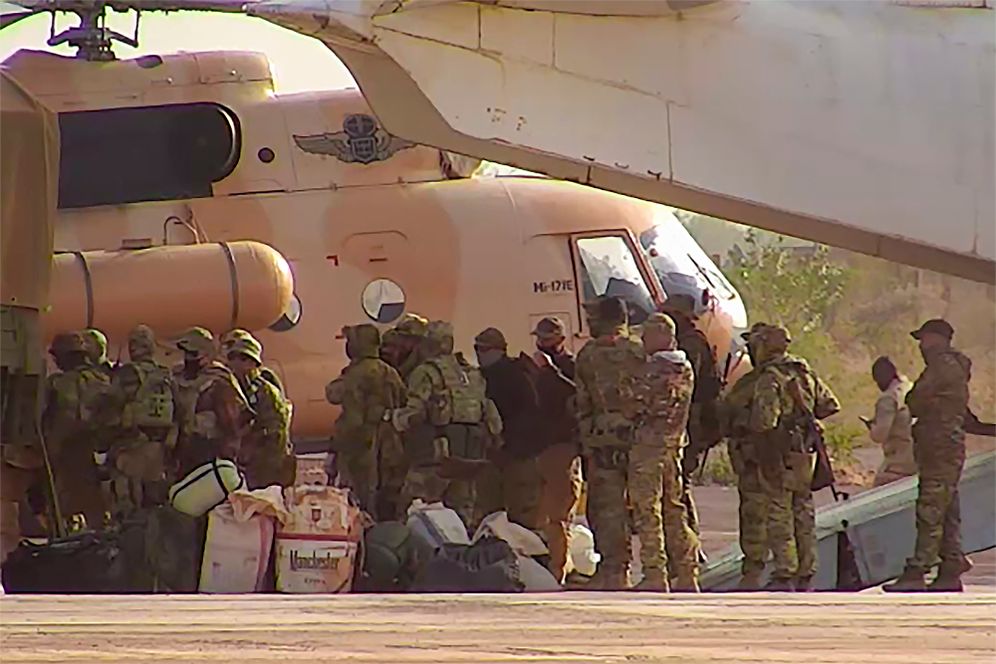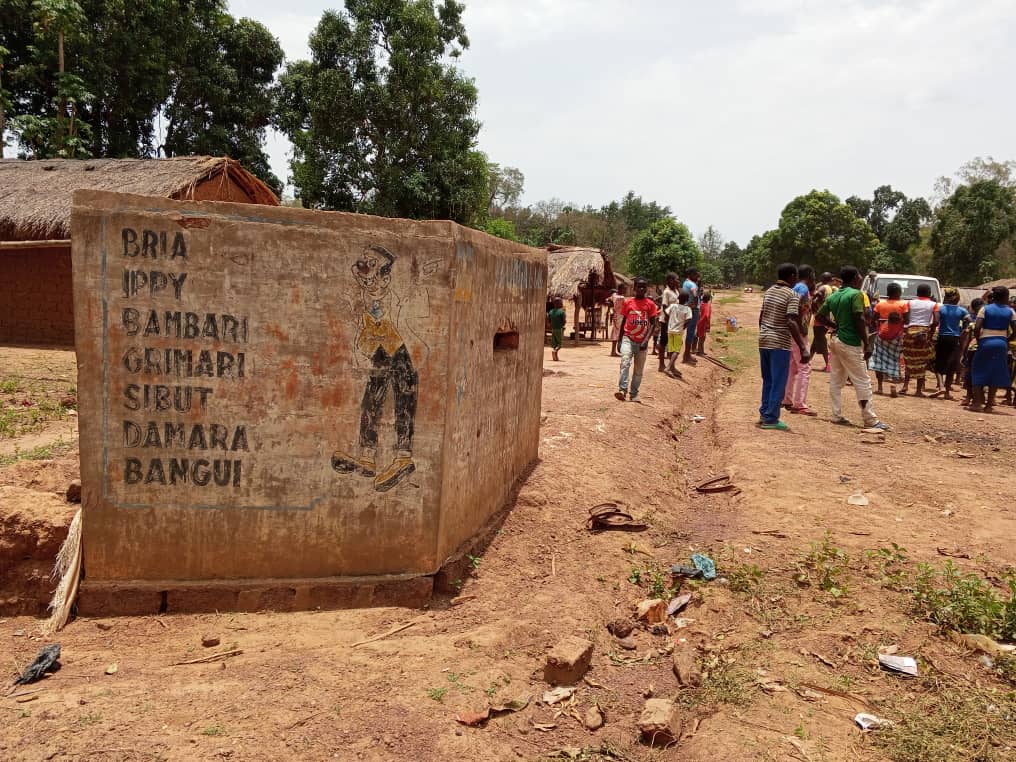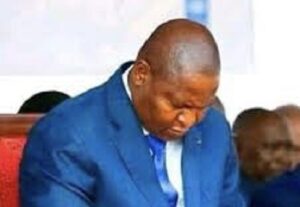
A military confrontation involving Russian mercenaries and elements of the Central African armed forces recently occurred in Haut-Mbomou. This incident has prompted a strong reaction from a prominent political figure in the Central African Republic. Martin Ziguélé, who serves as the President of the Mouvement de Libération du Peuple Centrafricain (MLPC), subsequently called for Moscow to assert control over its mercenaries operating in the country. The clash took place specifically in the Haut-Mbomou region, drawing significant attention to the conduct of foreign forces within the nation's borders.
Deadly Clash in Haut-Mbomou
The confrontation, which involved Russian private security forces and elements of the Central African armed forces, led to tragic consequences. This military engagement resulted in the death of an innocent civilian, noting the severe risks that such conflicts pose to non-combatants. Additionally, a Central African soldier was temporarily incapacitated during the incident, showing the direct impact on the national armed forces. The precise circumstances of the clash in Haut-Mbomou are still being assessed, but its immediate aftermath has ignited calls for greater accountability from international partners.
Ziguélé's Stance on Sovereignty and Accountability
Following the incident, Martin Ziguélé, who also serves as the spokesperson for the Bloc Républicains pour la défense de la Constitution du 30 mars 2016 (BRDC), issued a clear demand for action. He called on Russian authorities to take responsibility for their personnel operating within the Central African Republic. Ziguélé specifically urged Moscow to implement strict discipline among its forces operating in the country, emphasizing the need for adherence to proper conduct and respect for national laws.
In a powerful statement, Ziguélé reminded all parties that the protection of the national territory is the exclusive domain of the country's national armed forces. This assertion shows a fundamental principle of national sovereignty, reinforcing the idea that the Central African Republic's security is primarily the responsibility of its own military. His statement showed a demand for clear accountability and respect for national sovereignty following the recent incident, stressing that foreign actors must operate under strict control and in full deference to the host nation. The MLPC President's remarks reflect a broader concern among some political factions regarding the presence and operational mandates of external security providers.
Context of Russian Forces in the Central African Republic
Le groupe Wagner est frequently identified as the Russian private security forces operating in the Central African Republic. These forces have been present in the country for several years, their deployment marking a significant shift in the nation's security architecture. They are often described as providing security and training to local military units, playing a role in stabilizing regions affected by internal conflict and insecurity. Their activities have been noted in various regions across the Central African Republic, including the Haut-Mbomou where the recent clash occurred.
The deployment of these Russian private security forces has been a significant aspect of the Central African Republic's security landscape, particularly in areas facing instability and challenges to governmental authority. Their presence has drawn international attention, with discussions often centering on their operational mandates, their legal status, and the extent of their accountability to both Russian and Central African authorities. The reported clash in Zemio involving these forces has brought renewed scrutiny to their role and conduct within the country, prompting calls for more transparent oversight and adherence to international norms. The incident has reignited debates about the implications of relying on private military contractors for national security, particularly concerning civilian protection and the ultimate control over military operations on sovereign territory.