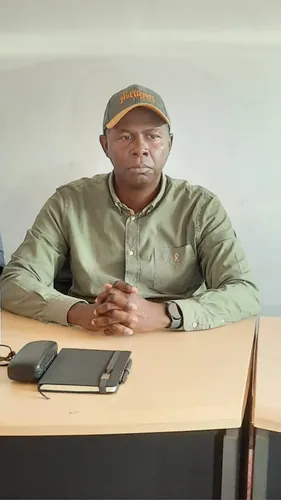
The Bloc Républicain pour la Défense de la Constitution (BRDC), which boycotted the 2026 election, considers the regime "moribund" following President Faustin-Archange Touadéra's alleged violation of his oath and the 2013 Constitution. This assessment echoes concerns about past electoral processes, including the 2011 elections where François Bozizé's KNK party secured an overwhelming majority, holding approximately 105 out of 109 seats in the Assembly. This gave the ruling party an ultramajority in the legislative body. The BRDC's strong opposition to the current electoral process draws direct parallels to the widespread skepticism that followed the 2011 polls. While the BRDC voiced strong opposition, France, through President Macron, swiftly recognized the 2026 elections as illegitimate, noting international scrutiny of the electoral landscape. The French government's quick declaration of illegitimacy shows the significant concerns raised by international observers regarding the integrity and fairness of the recent electoral proceedings.
Echoes of 2011
Maître Crépin Mboli-Goumba described the 2011 election as an "electoral hold-up." He emphasized that the overwhelming victory of François Bozizé's KNK party, which secured approximately 105 out of 109 deputies in the Assembly, created a political environment lacking genuine opposition. Following these elections, the European Union, represented by Ambassador Guy Samson, declined to attend President François Bozizé's investiture ceremony, a clear signal of disapproval. The international community subsequently withdrew all financial support, citing the perceived "hold-up" of the 2011 electoral process. This withdrawal of aid had significant implications for the country's development and stability. Despite the broader international stance, the French ambassador, Christian Vidal, was present at President Bozizé's investiture in 2011. This attendance has been noted in discussions comparing past and present electoral integrity concerns, with critics pointing to a perceived inconsistency in international responses to similar situations. Mboli-Goumba's comparison notes a historical pattern of contested elections and varying international reactions.
Current Electoral Irregularities
Maître Crépin Mboli-Goumba noted that similar conditions are present in 2026, with an ultramajoritarian ruling party, the Mouvement Cœurs Unis (MCU). He explained that this situation mirrors the concentration of power seen in 2011, raising fears about the lack of checks and balances within the political system. Mboli-Goumba stated that the 2026 electoral process originated from a referendum that had been proscribed by the Constitutional Court, thereby undermining its foundational legitimacy. He further asserted that the Autonomous National Electoral Commission (ANE) committed multiple violations of the electoral code during the process. These violations included changing electoral rules mid-process, which Mboli-Goumba noted as a significant concern for the integrity of the elections, as it introduced instability and uncertainty into the framework. Additionally, the ANE reportedly refused to provide minutes to candidate representatives, a practice Mboli-Goumba indicated obstructs transparency and accountability in the electoral count. He underlined these actions as contributing to an environment he likened to past electoral irregularities, drawing parallels to previous periods of contested results and a lack of public trust in the electoral system. These alleged breaches, according to Mboli-Goumba, cast a long shadow over the validity of the 2026 election outcomes.
International Reactions and Warnings
The European Union refused to finance the 2026 elections, stating it was awaiting logical consequences from what it deems illegitimate results. This decision by the EU signals a strong condemnation of the electoral process and its outcomes. Maître Crépin Mboli-Goumba suggested that current leaders should avoid the errors of 2012-2013, a period when former President François Bozizé's persistence in power ultimately led to his downfall. He cautioned that a refusal to acknowledge the current political realities could lead to similar instability and negative consequences for the country. Mboli-Goumba proposed that President Faustin-Archange Touadéra could still engage in dialogue to redefine the political framework, offering a path to de-escalation and a more inclusive process. He stressed that such a dialogue is key for restoring confidence in democratic institutions and preventing further political turmoil. This call for dialogue comes amid international scrutiny of the electoral process and follows the European Union's decision to withhold financial support for the 2026 elections, placing additional pressure on the current administration to address the concerns raised by both domestic and international actors.