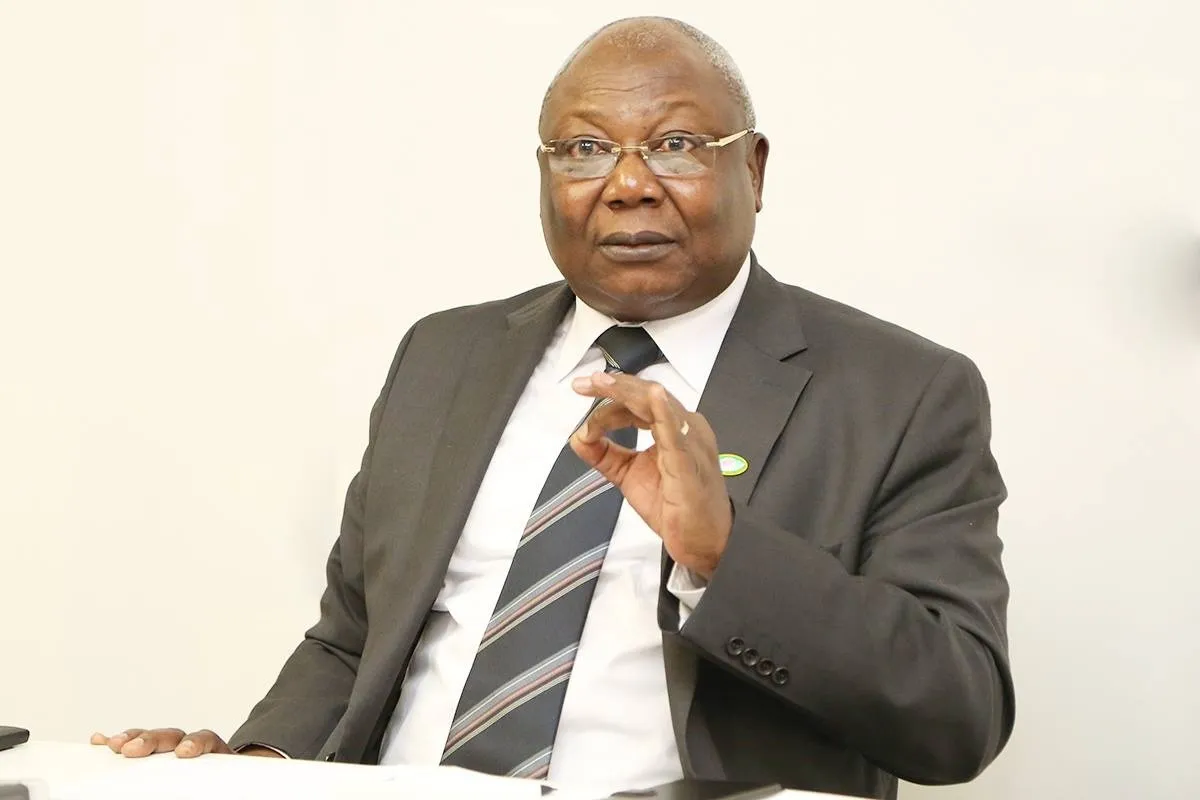
The Mouvement de Libération du Peuple Centrafricain (MLPC) and the Bloc Républicain pour la Défense de la Constitution (BRDC) have formally withdrawn from the political process in the Central African Republic. Martin Ziguelé, who serves as president of the MLPC and spokesperson for the BRDC, announced the decision on 22 October 2026.
Explaining the move, Martin Ziguelé stated: "Le BRDC n’est pas concerné avec le processus politique actuel, ni par la mise en place du nouveau gouvernement, encore moins par le couronnement de l’empereur Touadera . D’après lui, ce n’est pas un processus sincère, les libertés disparaîtront une à une et un régime autoritaire est déjà en marche."
This withdrawal marks a departure from ongoing negotiations regarding the composition of the new administration. The organizations remain excluded from the current framework and the formation of government under the leadership of Faustin-Archange Touadéra. Martin Ziguelé serves as the president of the Mouvement de Libération du Peuple Centrafricain (MLPC). Martin Ziguelé acts as the official spokesperson for the Bloc Républicain pour la Défense de la Constitution (BRDC). In his capacity representing both organizations, Martin Ziguelé stated that the BRDC and MLPC are not involved in the current political process or the formation of the new government.
Skepticism Toward Political Process
Martin Ziguelé asserts that the current political process in the Central African Republic lacks sincerity. He maintains that the design of the current framework prevents genuine engagement from opposition parties. According to his assessment, the actions taken by the administration indicate that the stated objectives of the political process do not align with the actual intentions of the leadership. Martin Ziguelé claims that the current political process in the Central African Republic is not sincere.
Anselme Mbata, representing the CNC, has observed these developments, noting that the rhetoric regarding the political trajectory of the country has become increasingly polarized. Martin Ziguelé contends that the government is actively establishing an imperial and authoritarian regime in the RCA. He argues that this shift toward centralized control under Faustin-Archange Touadéra undermines democratic standards and the constitutional balance of power. The ongoing actions within the political sphere, in his view, serve to consolidate authority rather than foster a transition toward a more inclusive system. Martin Ziguelé alleges that the current government is establishing an imperial and authoritarian regime. This assessment by the leadership of the MLPC and BRDC notes the deepening rift between the opposition and the administration regarding the future governance of the Central African Republic.