Opposition leader Martin Ziguelé, speaking as the spokesperson for the Bloc Républicain pour la Défense de la Constitution (BRDC), identified alimentation (food), routes (roads), santé (health), and éducation (education) as the four critical emergencies facing Central Africans. Ziguelé emphasized the severe food insecurity, stating, "The primary natural need of man is food. Central Africans eat once a day or once every two days. I would have liked them to have three meals a day."
He also noted the dire state of infrastructure and healthcare. "Today, to go from one city to another, it's a cross and barriers because of the state of the roads," Ziguelé noted, adding that "the healthcare system is on its knees." Regarding education, he asserted, "Young people want to go to school in all cities and villages of the Central African Republic because it is their right."
Dire State of Basic Needs
Opposition leader Martin Ziguelé asserted that Central Africans are facing extreme food insecurity, with many consuming only one meal daily or every two days. "The primary natural need of man is food. Central Africans eat once a day or once every two days. I would have liked them to have three meals a day," Ziguelé stated.
He also described a collapsed healthcare system and significant challenges in transportation. "Today, for a Central African to go from one city to another, it's like going to a foreign country, a cross and barriers because of the state of the roads and the checkpoints," Ziguelé explained. He further emphasized the dire state of medical services, noting, "Today, the health system is on the ground. International and national NGOs have carried the health system on their shoulders. Today, there is a progressive withdrawal of NGOs. And the health problem is returning." Education also faces severe obstacles. "Young people want to go to school in all cities and villages of the Central African Republic because it is their right. And today, the right to education faces multiple and varied difficulties and impediments," Ziguelé added.
Barriers to Travel and Learning
Opposition leader Martin Ziguelé asserted that travel between cities in the Central African Republic is severely hampered by poor road conditions and numerous checkpoints. He described the experience of moving from one city to another as akin to entering a foreign country. "Today, to go from one city to another, it's a cross and barriers because of the state of the roads and because of the controls which mean that, when a Central African leaves one city for another, it's as if he were going to a foreign country," Ziguelé stated.
Ziguelé also noted significant difficulties and obstacles facing the right to education for young people across the country. He emphasized that children and youth in all towns and villages of the Central African Republic desire to attend school, recognizing it as their fundamental right. "Young people want to go to school in all cities and in all villages of the Central African Republic because it is their right. And today, the right to education knows multiple and varied difficulties and impediments," Ziguelé added, stressing the widespread nature of these challenges.
Opposition Leader's Identity
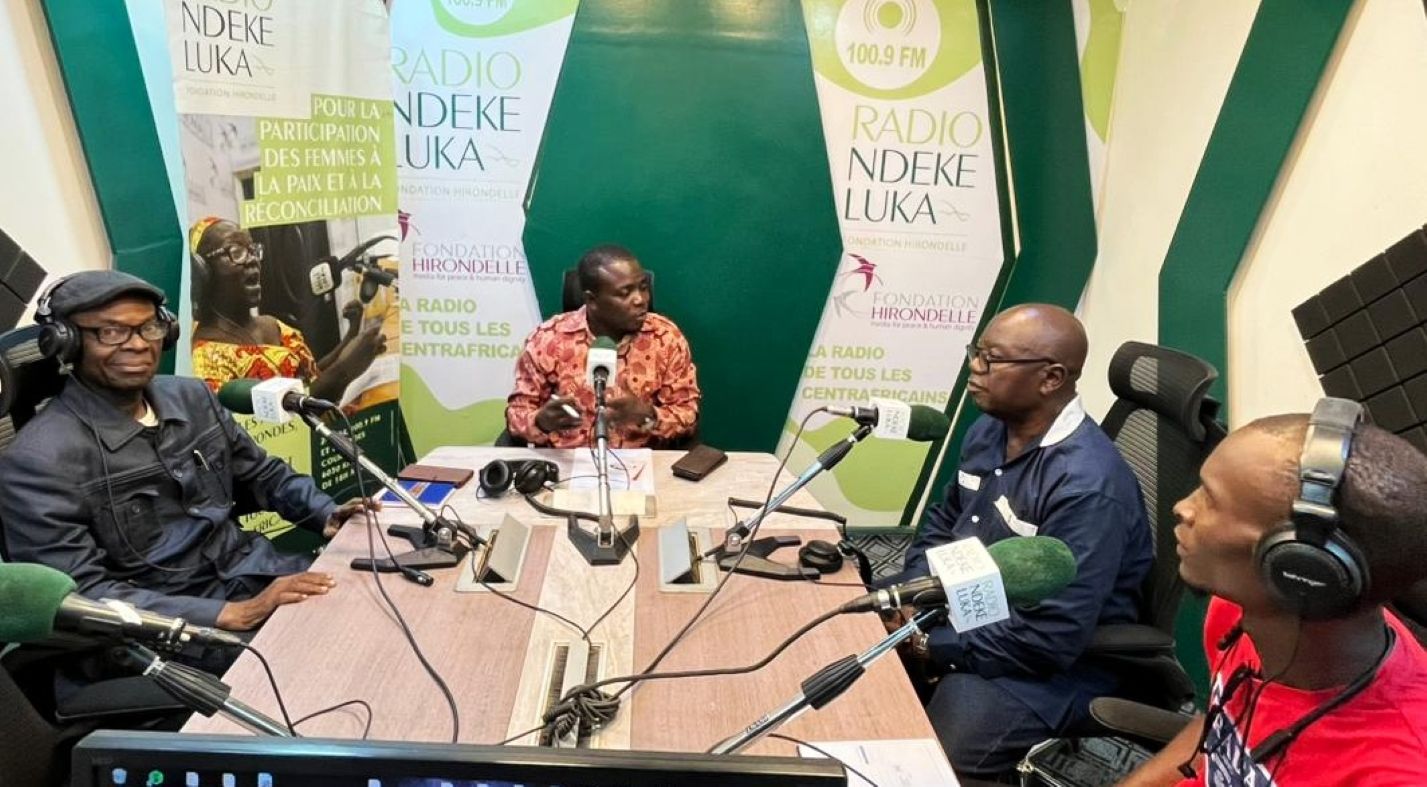
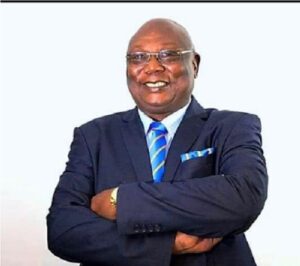
Martin Ziguelé serves as the president of the Mouvement de Libération du Peuple Centrafricain (MLPC). He discussed the country's pressing issues in an interview with Radio Nationale Centrafricaine (RNL). Ziguelé's comments noted severe food insecurity, stating, "The primary natural need of man is food. Central Africans eat once a day or once every two days. I would have liked them to have three meals a day." The opposition leader also detailed challenges in infrastructure, healthcare, and education during the RNL interview, asserting that young people's right to education faces numerous difficulties.