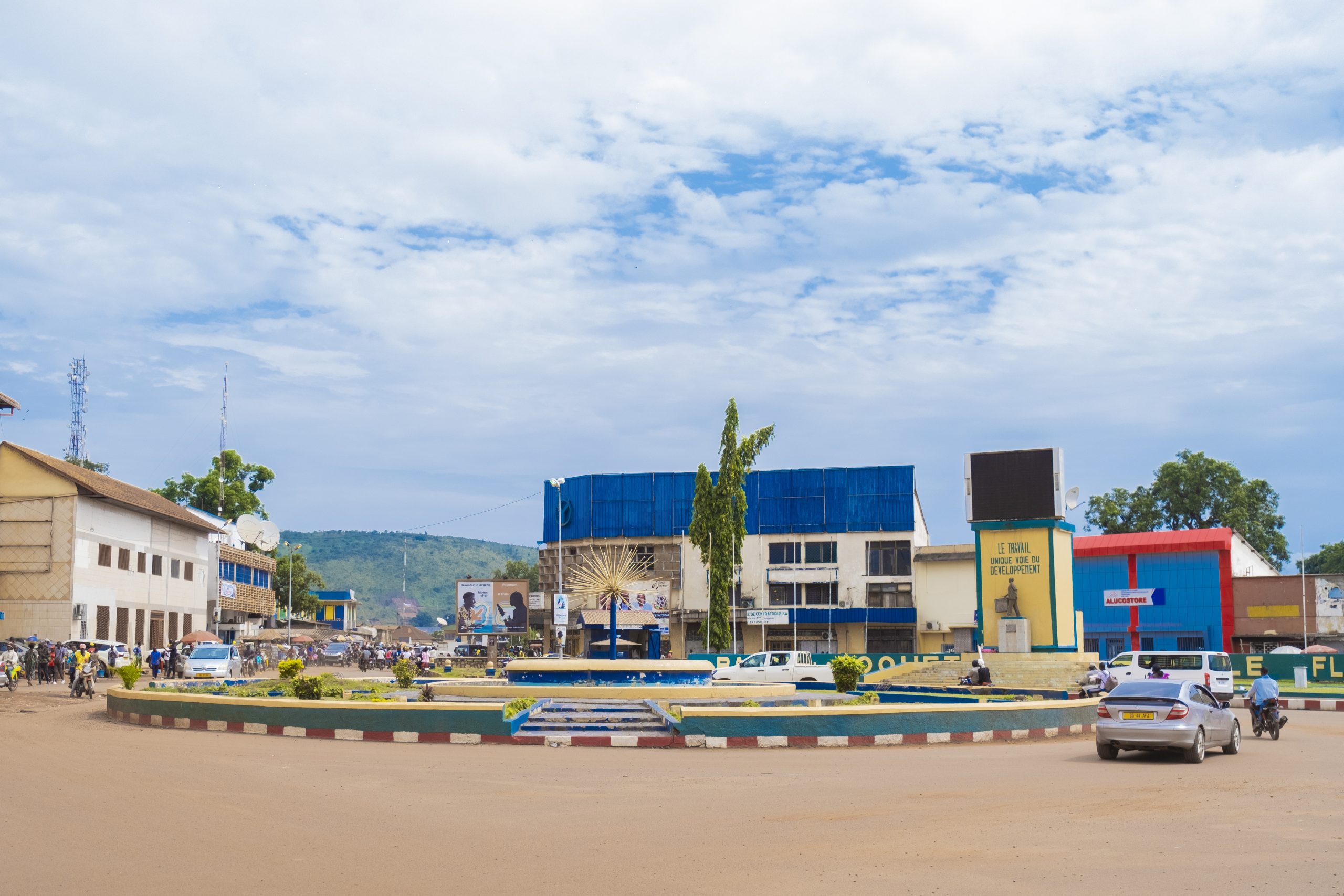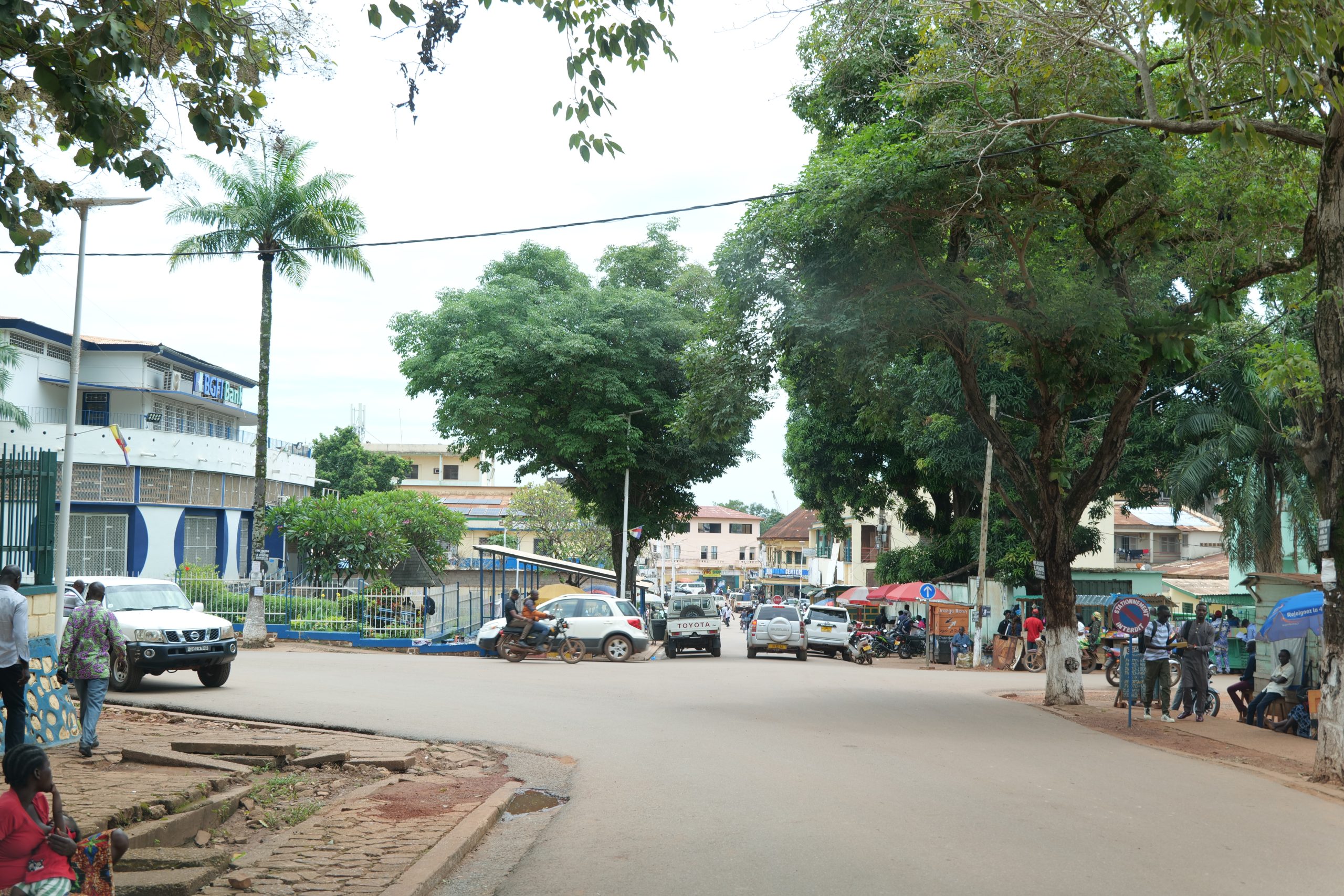
A "ville morte" strike took place in Bangui on Monday, October 12, 2026. A group of civil society organizations initiated the action to protest current conditions within the capital. Residents observed limited participation across the city as the strike proceeded throughout the day. The mobilization, organized by a group of civil society organizations, sought to bring attention to the prevailing circumstances currently affecting the population in Bangui. Throughout the day, the impact of the strike remained varied, with different sectors of the capital responding in distinct ways to the call for action.
Public Sector Attendance Patterns
Public servants in Bangui displayed inconsistent attendance patterns throughout the day on Monday, October 12, 2026. While some employees arrived at their government offices to fulfill their professional responsibilities, others chose to remain at home in observation of the "ville morte" action. This divergence in attendance meant that many government departments functioned with reduced staff, leading to a noticeable slowdown in administrative operations across various municipal and national offices. The decision-making process for these individuals appeared to be highly individualized, as the government offices saw a mix of personnel who reported for duty and those who opted to support the strike by staying away from their workplaces.
Several public schools across the capital opted to open their facilities to the public on the morning of October 12, 2026. Despite the availability of the school buildings, staff members did not conduct classes for students. The presence of these facilities being open, yet inactive regarding educational instruction, reflected the complex nature of the strike's implementation. Parents and students arriving at these institutions found the gates unlocked, but the standard academic curriculum was suspended for the duration of the day.
The "ville morte" strike, which was initiated by a group of civil society organizations, resulted in a day characterized by these mixed signals across the urban landscape of Bangui. The strike took place on Monday, October 12, 2026, serving as the central point of the protest action. As the day progressed, the streets of the capital were marked by the silence of those who chose to stay home and the activity of those who maintained their routines.
Some public servants reported to work while others stayed home during the strike. This choice was reflective of the broader atmosphere in Bangui on that date. The administrative functions of the city were consequently hampered by the partial absence of the civil service workforce. Several public schools opened their doors but did not conduct classes on October 12, 2026, adding to the day's atmosphere of uncertainty for families and educators alike. The combination of open facilities and the cessation of official duties showed the specific, localized nature of the protest effort as it unfolded across the various districts of the capital. The city remained in this state of partial participation until the conclusion of the business day.