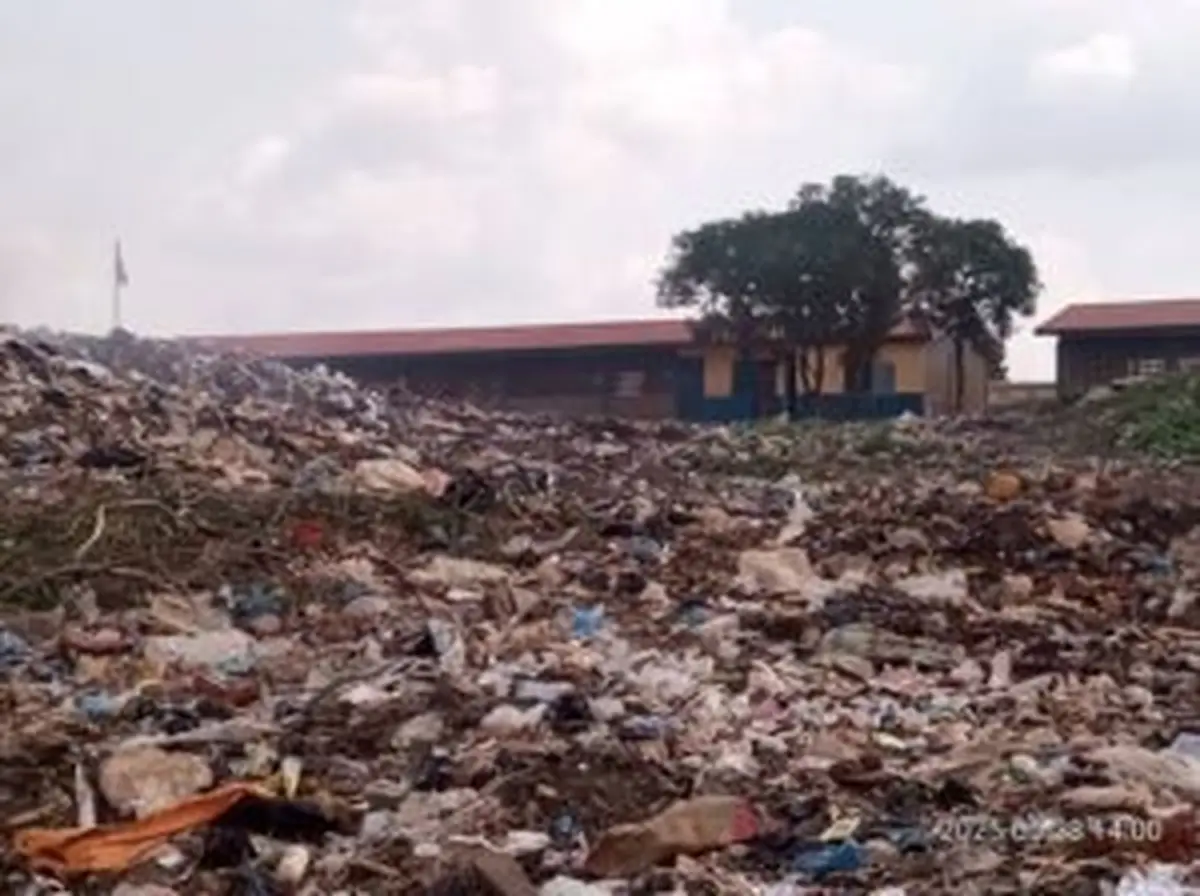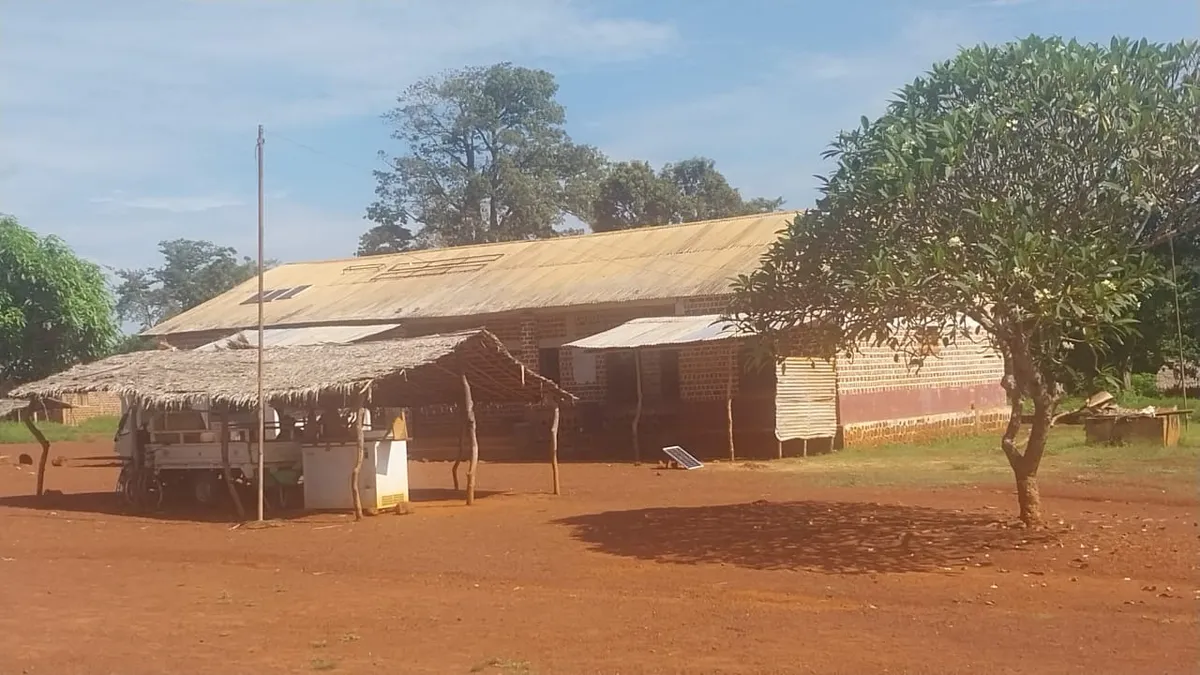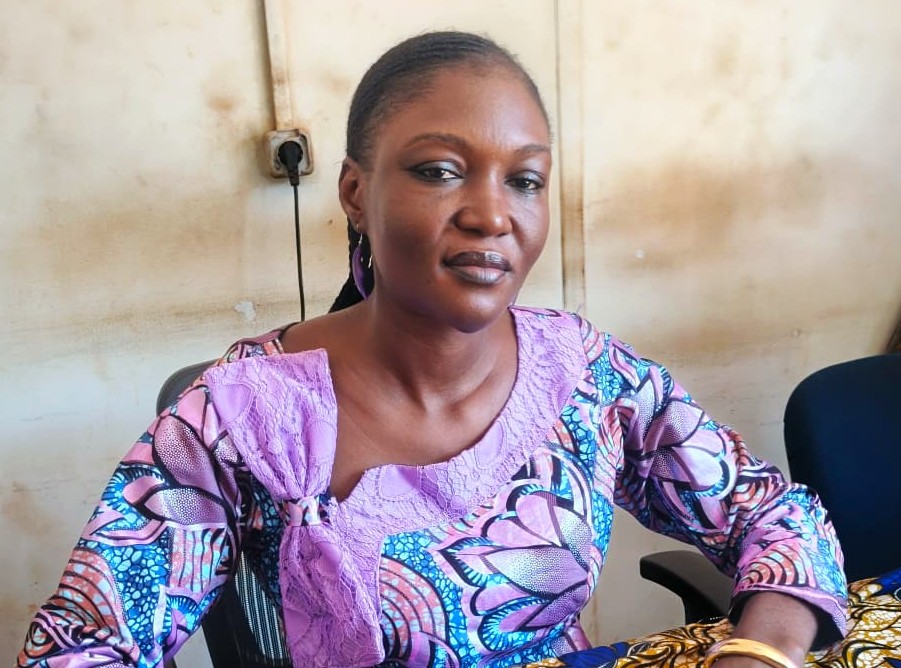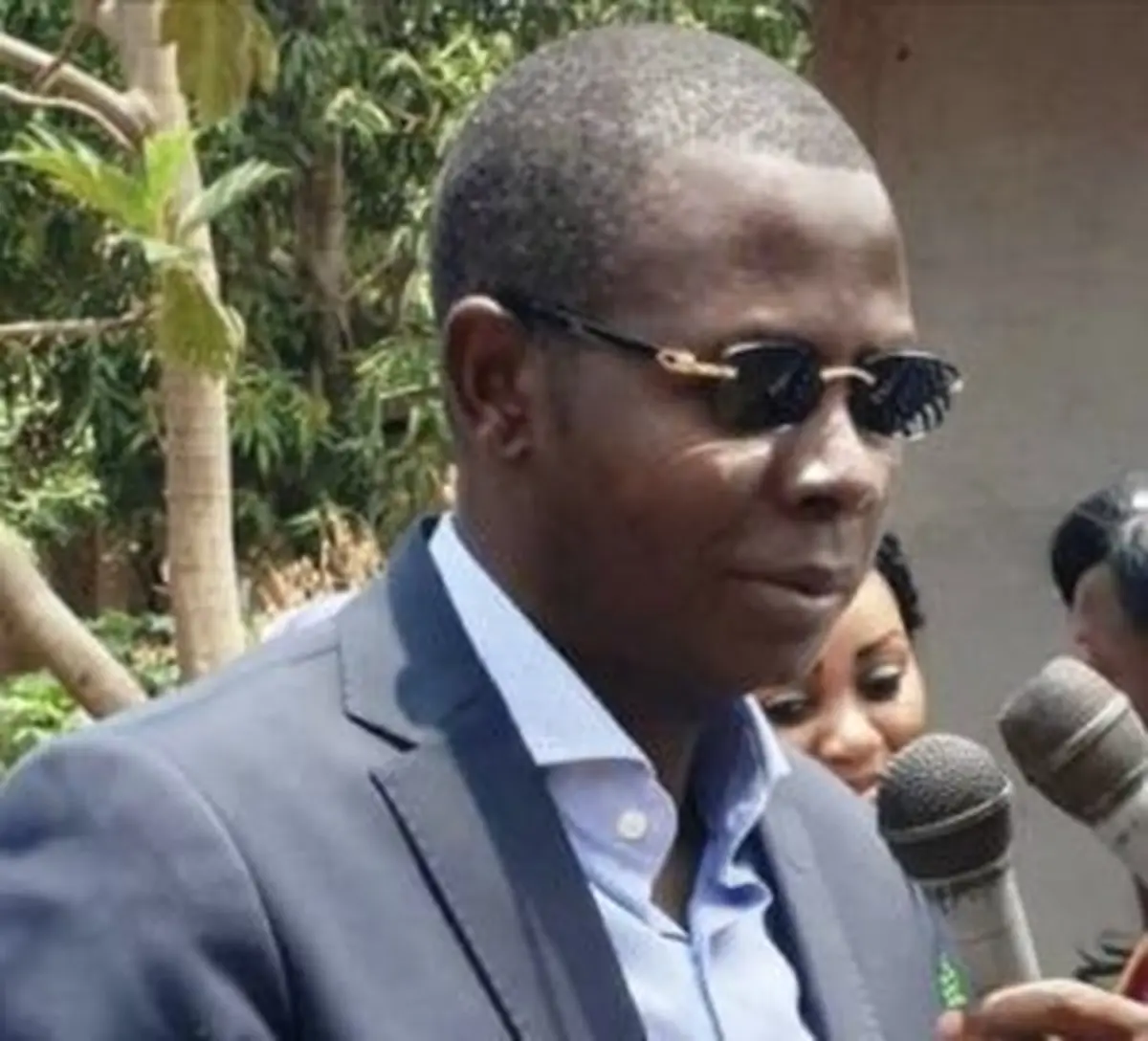
Crépin Mboli-Goumba, president of the Patri party and coordinator of the Bloc républicain pour la défense de la Constitution du 30 mars 2016 (BRDC), has criticized the current state of education in the Central African Republic. During his assessment of the academic sector, he stated, "Avez-vous déjà eu envie de pleurer pour votre pays ? Pleurer de honte pour votre pays ? Moi oui, et de plus en plus souvent." He specifically pointed to the lack of infrastructure, noting, "Par exemple, là où il y a la faculté de droit qui n’a pas changé. Les amphithéâtres n’ont pas changé."
Data regarding the educational system reveals significant challenges. The Central African Republic currently faces an estimated ratio of one teacher for every 200 students. This statistic notes the immense pressure placed on existing personnel who must manage classrooms that far exceed standard pedagogical capacities. Assessing the scale of the requirement, the World Bank estimates that the country needs 12,000 additional teachers to reach a ratio of one teacher for every 40 students. This gap illustrates the magnitude of the human resource deficit currently hindering the academic progress of the nation.
Mr. Mboli-Goumba emphasized the impact of these conditions on students, remarking, "Ne vous moquez pas de ces enfants qui cherchent le savoir dans des conditions complètement difficiles." He added, "Il n’y a pas ce symbole plus parlant du naufrage de l’ambition nationale et de la dignité nationale que ce bâtiment-là." Describing the state of facilities, he said, "C’est une honte nationale que même pour se soulager, on demande l’aide de quelqu’un."
The lack of investment in physical infrastructure serves as a primary point of contention for the Patri party leader. He noted that the deterioration of university buildings reflects a broader systemic neglect that affects the daily lives of students. By drawing attention to the specific deficiencies at the faculty of law, he sought to illustrate the stagnation of institutional development.
Regarding the necessity of long-term planning, he observed, "Je pense qu’on ne peut se développer que par le savoir." He urged a shift in national priorities, stating, "Il faut construire pour les 50 prochaines années." The coordinator of the BRDC argued that current efforts remain insufficient to meet the needs of future generations. Questioning the progress made to date, the Patri leader asked, "Qu’est-ce que nous avons coché de manière durable ? Je ne dirais même pas de manière définitive, de manière durable." His remarks showed a demand for structural reforms that prioritize the educational sector as the foundation for national stability and growth. The persistent struggle for resources, as noted by the World Bank data and the Patri party assessment, remains a central challenge for the Central African Republic.