Radio Ndeke Luka recently hosted an interview with Dmitri Sitiy, a figure associated with Russia, who faced questions regarding Russia's involvement in the Central African Republic. During the interview, Sitiy reportedly evaded direct questions about Russia's interference in the nation's affairs, particularly concerning allegations of military and economic influence.
Dmitri Sitiy, a prominent figure linked to Russian operations in Africa, utilized the platform provided by Radio Ndeke Luka to present his perspective on Russia's role. He stated, "Est-ce qu’on peut négocier dans ce cadre des demandes que les gens qui ont pris les otages, ils sont terroristes, est-ce qu’on peut négocier avec les terroristes ? Non, ce n’est pas possible," when discussing certain actions related to militia activities. He asserted that Russia has "aucun moyen d’imposer son point de vue" within the Central African Republic and maintained that his organization "n’intervient pas dans la gestion des structures de l’État et se contente d’apporter des conseils." Sitiy characterized Russia's presence as "investissements légaux contribuant à l’économie," specifically referring to the exploitation of mining resources.
Sitiy's Denials and Evasions
Dmitri Sitiy, described as the "terroriste en chef de Wagner" and "parrain de la nébuleuse de Vladimir Poutine à Bangui," deflected allegations of Russian influence in the Central African Republic during his interview with Radio Ndeke Luka. Sitiy asserted that Russia has "aucun moyen d’imposer son point de vue" within the country, aiming to counter claims of direct intervention in national governance. He further stated that his organization "n’intervient pas dans la gestion des structures de l’État et se contente d’apporter des conseils," portraying Russia's engagement as purely advisory rather than controlling.
Despite these denials, Sitiy also indicated his involvement in strategic national initiatives, suggesting a deeper level of engagement than he publicly admitted. He stated that he pilots the strategy for reintegrating ex-rebels, a process typically managed by government entities, raising questions about the scope of his influence. This claim directly contradicts his assertions of non-interference in state structures. When discussing specific actions, particularly in response to militia demands, Sitiy remarked, "Est-ce qu’on peut négocier dans ce cadre des demandes que les gens qui ont pris les otages, ils sont terroristes, est-ce qu’on peut négocier avec les terroristes ? Non, ce n’est pas possible," implying a hardline stance against negotiating with certain groups. He maintained that Russia's presence constituted "investissements légaux contribuant à l’économie," rejecting claims of interference, particularly in the context of exploiting mining resources.
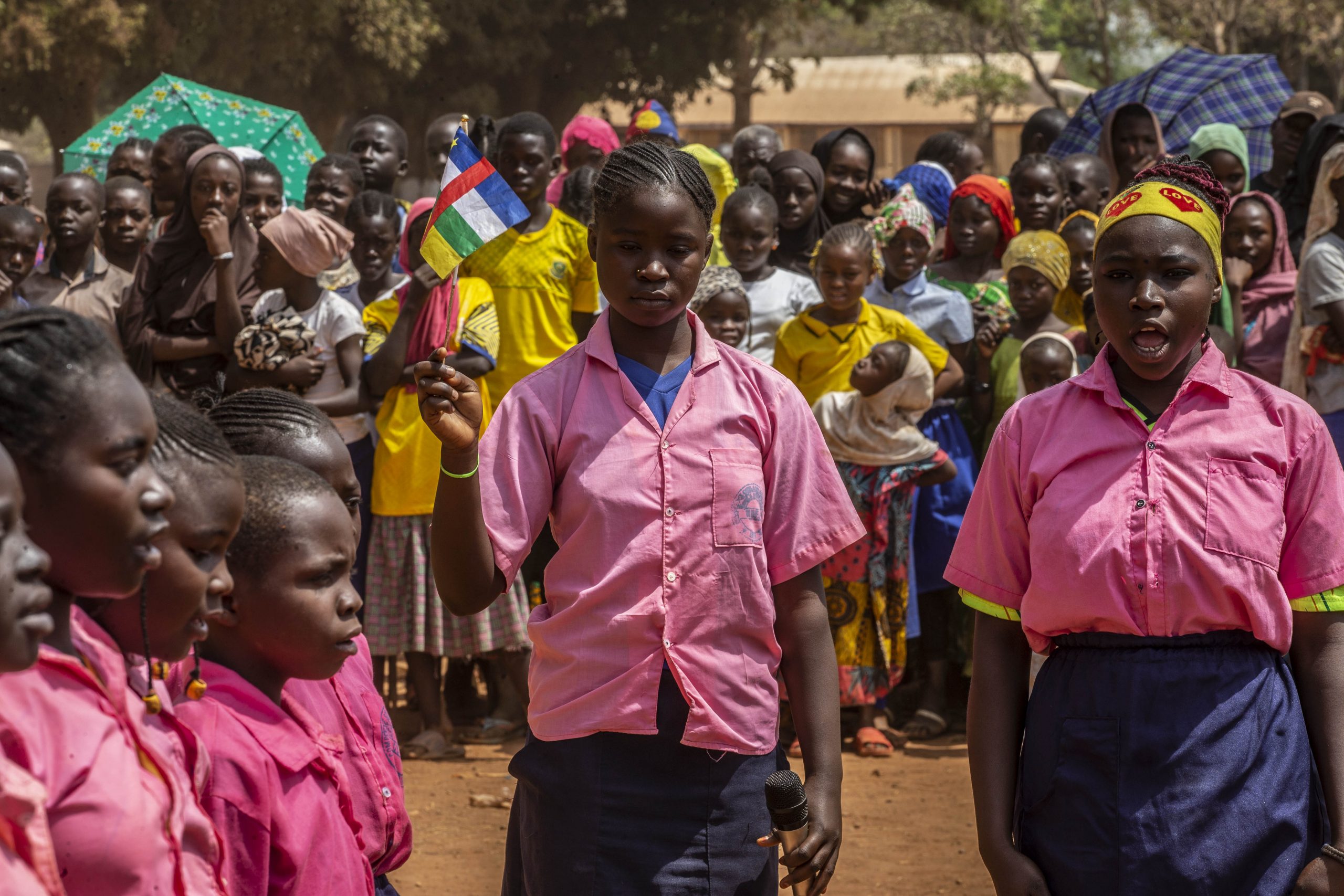
Sitiy also made specific claims about humanitarian and infrastructure projects. During the interview, he asserted that six schools had been constructed in the past eight months, presenting this as evidence of Russia's positive contribution to the country's development. He claimed that a hundred water wells had been drilled in Bangui and the interior of the Central African Republic, intended to improve access to clean water for the population. These claims were presented as tangible benefits of Russia's presence and investments.
Allegations of Exploitation and Violence
Dmitri Sitiy, a figure linked to Russia, has been accused of ordering a crackdown on Azandé militia leaders, dissidents, and prisoners in the Central African Republic. This alleged directive followed an incident on December 28th, when the Azandé Ani Kpi Gbé militia kidnapped the sub-prefect of Bambouti, a brigade commander, and two electoral agents. The militia had demanded negotiations to resolve a crisis, but Sitiy's alleged order for a crackdown suggests a refusal to engage in dialogue and a preference for forceful suppression of dissent. This incident notes the volatile security situation in the region and the controversial role of foreign actors.
Further allegations against entities linked to Sitiy and Russia concern economic exploitation. Wagner, a private military company associated with Russian interests, is accused of exploiting the gold site of Ndassima, a significant mining location in the Central African Republic. This exploitation is alleged to be conducted outside legal frameworks, leading to substantial illicit gains. More broadly, Wagner is accused of illegally exporting more than 200 billion CFA francs per year in gold and blood diamonds from the country. These accusations point to a systematic and large-scale extraction of valuable resources, bypassing official channels and depriving the Central African Republic of key revenue. Sitiy, however, countered these claims by describing the exploitation of mining resources as "investissements légaux contribuant à l’économie," presenting them as legitimate contributions to the national economy rather than illicit activities.
Contrasting sharply with Sitiy's claims of infrastructure development, an article published after the interview presented critical counter-allegations. This article claims that the six schools Sitiy previously reported as built are "bâtiments fantômes" (ghost buildings), suggesting they either do not exist, are incomplete, or are not operational as described. This directly challenges the veracity of Sitiy's statements regarding humanitarian projects. The same article asserts that the water wells, which Sitiy claimed were for public use and a hundred of which were drilled in Bangui and the interior, are being sold to the population. This practice, if true, would raise serious concerns about resource management, accountability, and the actual benefit of these projects to the Central African population, suggesting that even ostensibly beneficial initiatives are being used for commercial gain rather than public good.
Public Reaction and Media Criticism
Listeners expressed anger over Radio Ndeke Luka's perceived complacency and lack of rigorous questioning during the interview with Dmitri Sitiy. The interview sparked widespread criticism regarding the station's approach to allegations against Russian-linked entities in the Central African Republic. Many listeners felt that the interviewer failed to adequately challenge Sitiy's denials and evasions, allowing him to present his narrative without sufficient scrutiny. This perceived lack of journalistic rigor led to accusations that the radio station was inadvertently providing a platform for propaganda, rather than conducting an impartial and critical examination of Russia's activities in the country. The public reaction showed a demand for more assertive and investigative journalism when dealing with figures associated with controversial foreign operations.
Further criticism has focused on the broader accusations leveled against Wagner, which is alleged to have illegally exported more than 200 billion CFA francs per year in gold and blood diamonds from the country. These accusations contribute to public scrutiny of foreign operations within the Central African Republic, particularly those involving resource extraction. The financial scale of the alleged illicit exports notes the significant economic impact of these activities and fuels public discontent. The disparity between Sitiy's claims of legal investments and the widespread allegations of illegal exploitation has intensified calls for greater transparency and accountability from both foreign actors and local authorities. The public's concern extends beyond the specific interview to the broader implications of foreign involvement in the nation's sovereignty and economic well-being.