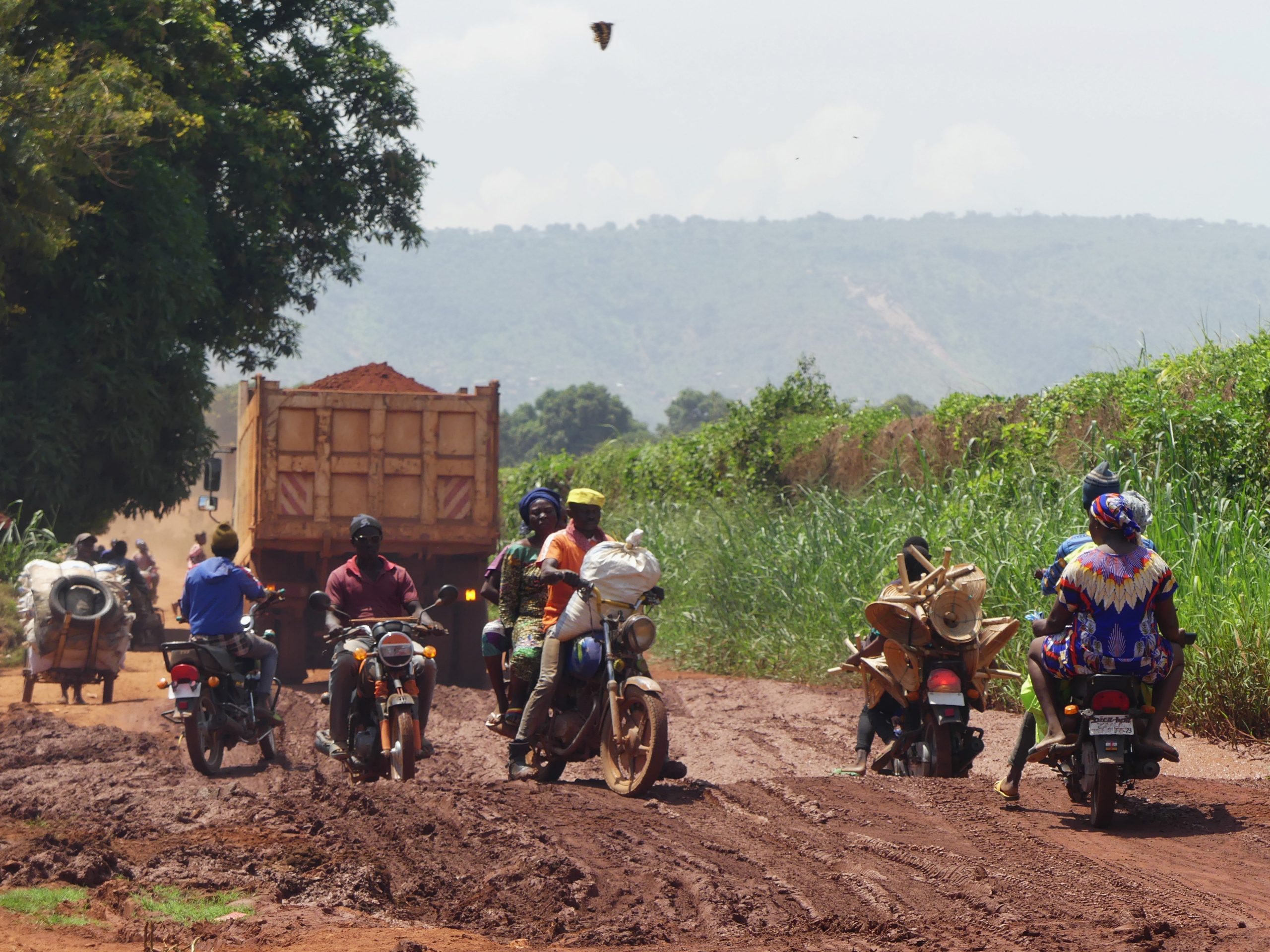
Residents in several neighborhoods across the communes of Bimbo and Bégoua, situated behind Bangui-Mpoko International Airport, continue to experience significant hardship due to persistent road issues. The ongoing ordeal affects daily life for those living in these areas, raising concerns about accessibility and infrastructure. These communities have faced challenges for an unspecified period. The ordeal continues relentlessly for residents of these affected neighborhoods in the communes of Bimbo and Bégoua, located directly behind Bangui-Mpoko International Airport, casting a long shadow over their daily routines and future prospects.
Daily Travel Challenges
Residents express their exasperation over the degraded state of local roads and the resulting travel difficulties. This exasperation is palpable throughout the communities, stemming from the constant struggle to navigate the dilapidated infrastructure. The poor road conditions significantly impede daily commutes and access to essential services for those living in communities behind Bangui-Mpoko International Airport. Many resident spokespersons have noted the challenges faced by pedestrians and motorists alike, as vehicles struggle to navigate potholes and uneven surfaces. The persistent deterioration of the road network has led to increased travel times and vehicle maintenance costs for individuals and businesses operating in Bimbo and Bégoua. This ongoing situation affects various aspects of daily life, including school attendance and market access, contributing to a sense of frustration among the affected population. The difficulties extend beyond mere inconvenience, impacting economic activities and hindering the timely delivery of goods and services. Families report children arriving late to school, and workers facing extended journeys to their workplaces, all due to the severely compromised road infrastructure.
Community Frustration Mounts
Residents in Bimbo and Bégoua, located behind Aéroport international Bangui-Mpoko, have voiced their deep dissatisfaction with the prolonged lack of road improvements. The persistent poor conditions are exacerbating daily challenges for inhabitants of these areas, making even short journeys arduous and time-consuming. Many community members feel their appeals for infrastructure development have gone unheeded for an extended period, leading to a growing sense of neglect. This sentiment of neglect has fostered widespread frustration among those who rely on the local road network for their livelihoods and access to essential services. The ongoing difficulties contribute to a growing sense of disillusionment regarding development efforts in Bangui's peripheral communes. Their collective dissatisfaction notes the urgent need for intervention to alleviate the daily burden on thousands of residents, who feel increasingly isolated by the deteriorating transport links. The lack of action has led to a feeling of being forgotten, despite their proximity to a major national gateway like the international airport. This frustration is not merely about inconvenience but touches upon fundamental rights to mobility and access.
Urgent Need for Rehabilitation
Residents in the affected areas of Bimbo and Bégoua hold strong expectations for swift action regarding the deplorable road conditions. They express a collective hope for the rapid rehabilitation of the main axis situated behind Aéroport international Bangui-Mpoko. This sentiment shows the community's desire for immediate improvements to infrastructure that directly impacts their daily lives and economic activities. Residents believe that such rehabilitation is key for alleviating the persistent travel hardships and improving overall accessibility in their neighborhoods. The call for urgent intervention reflects the sustained impact of the degraded road network on their livelihoods and access to essential services. The hope for rapid rehabilitation is a central theme in discussions among community members, who envision a future where their daily commutes are no longer a source of stress and economic strain. They believe that investing in this critical infrastructure will not only ease their current burdens but also unlock significant development potential for the entire area, connecting them more effectively to the wider city and its opportunities.