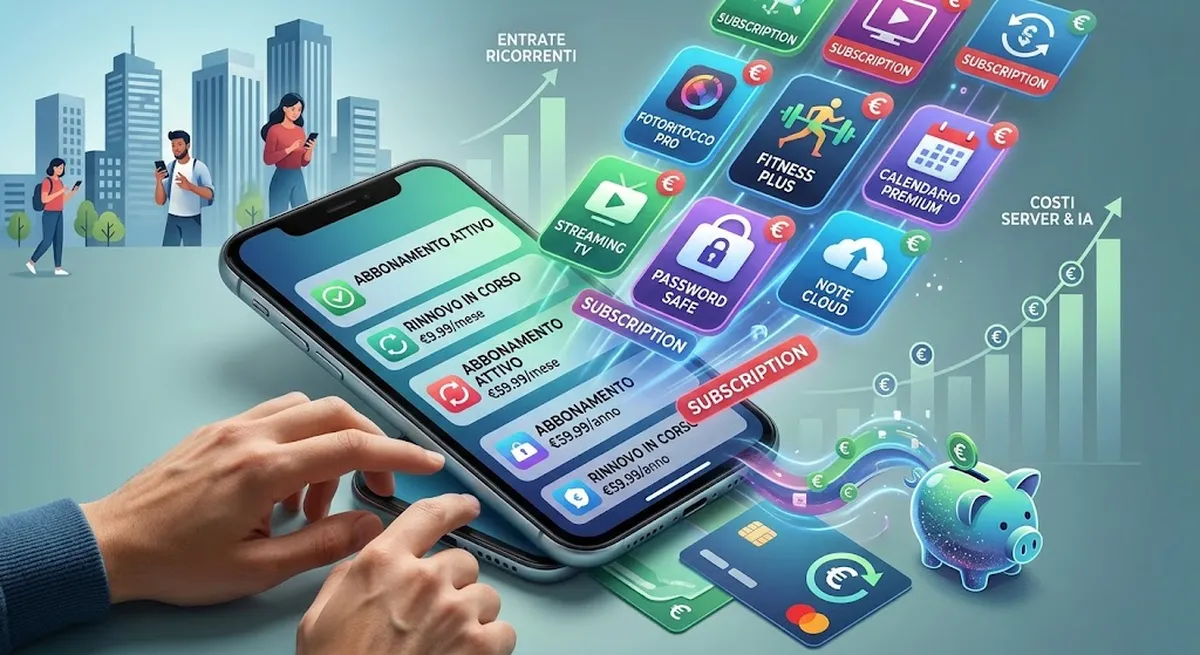
Adobe transitioned its software distribution model in 2013 by replacing perpetual licenses for the Creative Suite with the Creative Cloud subscription service. This shift moved users from one-time purchases to recurring payments for access to design tools. Adobe replaced perpetual licenses for its Creative Suite with the Creative Cloud subscription model in 2013, fundamentally altering how creative professionals acquired their primary work tools. Apple subsequently expanded subscription-based billing across its ecosystem in 2016. The company extended automatic renewal subscriptions to all categories of the App Store in 2016, allowing developers to implement recurring revenue models for their applications. These two events established the foundation for the current prevalence of subscription-based services in mobile and desktop software. Adobe and Apple provided the primary frameworks that shifted consumer expectations away from static software ownership toward continuous, subscription-funded access. By fostering an environment where recurring payments became the standard, these companies paved the way for a widespread industry pivot toward service-oriented software delivery.
Industry Commission Rate Standards
Apple charges a 15% commission on subscriptions that exceed the first year of service for developers on its platform. This rate applies after the initial 12-month period of a user’s subscription, rewarding long-term customer retention with a reduced financial burden on the developer. Google adopted a 15% commission rate for all app subscriptions starting in 2022. This policy change aligned the company’s revenue structure for recurring payments with industry standards established for long-term subscriber accounts. Both companies now maintain this 15% percentage for subscriptions that continue beyond the first year. This alignment across major mobile platforms has created a predictable financial environment for software developers who rely on recurring billing cycles to maintain their operations. By standardizing these commission rates, both Apple and Google have influenced the pricing strategies that developers employ when setting monthly or annual subscription fees for their mobile applications.
Diversification of Subscription Offerings
Netflix introduced a lower-cost subscription plan featuring advertisements in Italy in November 2022. This model marked a shift for the streaming service as it moved toward offering tiered pricing structures to capture a broader user base through ad-supported access. By introducing this tier, Netflix sought to balance the revenue generated from advertisements with the income derived from subscription fees, creating a hybrid model that appeals to price-sensitive consumers.
Meta began offering a subscription option to remove advertisements for Facebook and Instagram users in Europe in 2023. This change provided individuals with a paid alternative to the standard ad-supported experience on both platforms. The move allowed users to opt out of targeted advertising through a monthly fee, representing a change in how the company managed its revenue streams for European accounts. These developments illustrate how companies are creating distinct tiers for content access and data privacy, moving away from purely ad-funded or subscription-only models toward hybrid offerings. By providing these choices, Netflix and Meta adjusted their service frameworks to accommodate different consumer preferences regarding advertising exposure and cost. These strategic shifts reflect a broader industry trend where companies offer users more control over their digital experience, balancing the necessity of platform monetization with the evolving demands of the global user base.